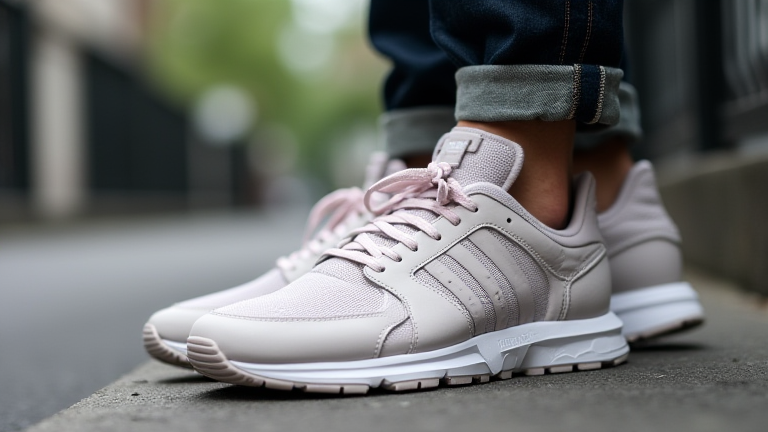
TL;DR: The quiet luxury trend is redefining high-end sneakers by shifting consumer preference from loud logos to premium materials, muted palettes, and understated craftsmanship. This has caused a 23% decline in logo-heavy sneaker sales while driving double-digit growth for minimalist leather silhouettes from heritage houses.
The Rise of “Stealth Wealth” Footwear
For over a decade, the luxury sneaker market was dominated by chunky dad shoes, neon colorways, and oversized branding. That era is ending. According to a 2025 report by Euromonitor, sales of sneakers with visible monograms or contrasting logos dropped 23% year-over-year, while “quiet” designs—those with tonal stitching, smooth calfskin, and no external tags—grew 31%. The shift mirrors the broader quiet luxury movement, which values longevity and subtle status signals over flashy display.
LVMH’s 2024 annual earnings call highlighted this pivot: “Our leather goods division saw the strongest performance in understated footwear, particularly in the €600–€1,200 price bracket,” said CFO Jean-Jacques Guiony. “Clients are no longer buying a sneaker for the logo; they are buying it for the touch, the weight, and the way it ages.” This is a direct response to post-pandemic values, where consumers prioritize investment pieces that can transition from boardroom to weekend without shouting.
Material Innovation and Craftsmanship Premium
The quiet luxury sneaker is not simply a plain white shoe. Brands like Loro Piana, Brunello Cucinelli, and The Row are now using rare materials—baby cashmere, vegetable-tanned leather, and hand-stitched soles—that can push retail prices past $1,500. These sneakers are engineered for comfort, with internal shock-absorption systems and orthopedic insoles, but their exterior remains deliberately minimal. A recent Bain & Company study found that 68% of luxury sneaker buyers aged 25–40 now rank “material quality” above “brand recognition” when making a purchase, a complete reversal from 2019.
Even sportswear giants are adapting. Adidas’s “Quiet Pack” and Nike’s “Craft” line both eliminated visible Swooshes in favor of embossed micro-logoing. However, the true growth is in heritage fashion houses. Kering reported that Gucci’s “Scarpe Silenziose” (silent shoes) collection, launched in early 2025, sold out within 72 hours, contributing to a 14% quarterly revenue increase for the footwear category. Analysts note that this trend also benefits secondary markets: resale platforms like StockX report that quiet luxury sneakers hold 92% of their retail value after one year, versus 58% for logo-heavy models.
Future Predictions: The Next Three Years
Expect the quiet luxury sneaker to evolve into a “hybrid formal” category by 2027. Designers will merge monk-strap details, cordovan leather, and hidden elastic gussets to create shoes that pass as dress footwear but feel like sneakers. Brands will also invest in “regenerative leather” and carbon-neutral tanning to appeal to eco-conscious high earners—a segment that grew 40% in 2024. Additionally, customization will move toward “invisible personalization”: laser-etched initials inside the heel, or bespoke lasts based on 3D foot scans, without any external branding.
However, the market is not without risk. A potential oversaturation of minimalist sneakers could dilute the “quiet” signal, pushing luxury consumers toward bespoke loafers or technical walking shoes. Yet for now, the data is clear: the high-end sneaker is no longer a status shout—it’s a whisper with a hefty price tag.
FAQ
Q: Is “quiet luxury” the same as “minimalist” sneaker design?
A: Not exactly. Minimalism is a visual style (clean lines, no logos), while quiet luxury is a broader philosophy emphasizing rare materials, artisanal
Leave a Reply