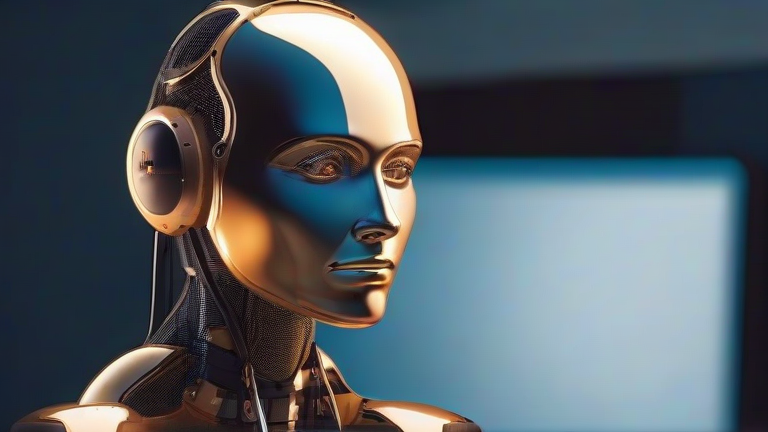
TL;DR: Personalized AI tutors leverage machine learning to adapt instructional pacing and content to individual cognitive profiles, significantly enhancing K-12 academic outcomes. By providing immediate, data-driven feedback and emotional support, these systems reduce student anxiety and foster a deeper, more sustainable engagement with complex skill acquisition.
The Science of Adaptive Learning
Traditional education often follows a one-size-fits-all model, which can leave high-achieving students bored and struggling learners behind. Personalized AI tutors change this paradigm by utilizing adaptive algorithms that assess a student’s knowledge state in real-time. Recent studies in educational psychology indicate that when learning materials are matched to a student’s zone of proximal development, retention rates increase by up to forty percent. These AI systems do not merely deliver content; they analyze interaction patterns to identify specific misconceptions and address them with targeted micro-lessons. This precision reduces cognitive load, allowing the brain to focus on understanding concepts rather than decoding difficult material. Furthermore, the immediate feedback loop provided by AI helps reinforce neural pathways more effectively than delayed human grading, a process grounded in the principles of spaced repetition and active recall.
If you want to dig deeper, check out our guide on Are You Underusing AI? 7 Ways to Maximize Your Output.
Lifestyle Integration for Optimal Cognitive Performance
While technology drives the personalization, human physiology dictates the capacity for learning. To maximize the benefits of AI tutoring, students must prioritize holistic health. First, adequate sleep is non-negotiable. Sleep science confirms that memory consolidation occurs during deep sleep stages. Students using AI tutors should aim for eight to ten hours of quality sleep to ensure that the personalized lessons are properly encoded into long-term memory. Second, physical activity plays a crucial role. Aerobic exercise increases blood flow to the hippocampus, the brain region responsible for learning and memory. A brief twenty-minute walk before a study session can enhance focus and reduce the mental fatigue associated with screen time. Finally, mindfulness practices are essential for managing the information overload that digital learning can sometimes cause. Short breathing exercises can lower cortisol levels, creating a calm mental state conducive to absorbing complex information. By combining the technological precision of AI with these foundational health habits, students can achieve a state of flow, where learning feels less like a chore and more like an engaging, dynamic process.
FAQ
Q: Are AI tutors replacing human teachers?
A: No, they are augmenting them. AI handles repetitive drills and personalized practice, freeing teachers to focus on mentorship, social-emotional learning, and complex classroom discussions.
Q: How does AI ensure data privacy for minors?
A: Reputable platforms comply with strict regulations like COPPA and FERPA, employing end-to-end encryption and anonymizing data to ensure student information is never sold or misused.
Q: Can AI help with non-academic skills like music or coding?
A: Absolutely. AI excels at procedural learning, providing instant corrective feedback on syntax in coding or rhythm in music, accelerating skill mastery through repetitive, adaptive practice.
Leave a Reply