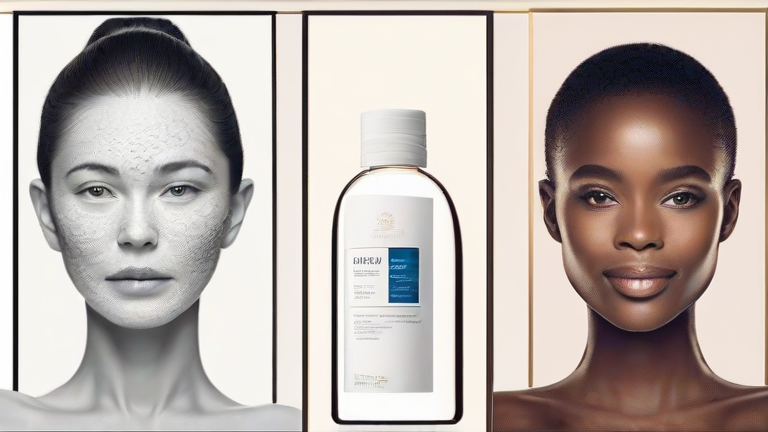
TL;DR: Microbiome skincare is shifting anti-aging from surface-level repair to ecosystem management, targeting the skin’s bacterial balance to reduce inflammation and boost collagen. Brands that leverage this science now can command premium pricing and loyalty, but only if they prove efficacy with clinical data and avoid over-hyping “live” ingredients.
The Market Shift: From Moisturizers to Microbes
The global microbiome skincare market is projected to exceed $1.2 billion by 2027, growing at a CAGR of 11.4% (Grand View Research). This outpaces traditional anti-aging creams (5.2%) because consumers—especially Gen Z and younger millennials—are now educated on the skin barrier’s “invisible ecosystem.” They no longer ask “does it plump?” but “does it feed my good bacteria?” The aging mechanism itself is being redefined: chronic low-grade inflammation (inflammaging) driven by dysbiosis accelerates collagen breakdown. Products that restore microbial diversity—via prebiotics (e.g., inulin, alpha-glucan), postbiotics (fermented lysates), and phages—are emerging as the new retinoids, but with fewer side effects.
If you want to dig deeper, check out our guide on Smart Fabrics with Sensors: The Future of Health Monitoring.
Strategy Insights: Don’t Sell “Bugs,” Sell Balance
The biggest strategic error is marketing “live probiotics” in a jar—most die on contact with preservatives. Smart brands (e.g., La Roche-Posay’s *Toleriane* line, Gallinée) pivot to postbiotic metabolites and prebiotic feeds. Key strategies: 1) **Personalization via sequencing**—at-home microbiome test kits (e.g., Seed, Armonia) feed AI-driven serum formulations, raising average order value by 40%. 2) **Clinical proof over anecdote**—publish before/after *microbial diversity* indices (Shannon index) alongside wrinkle depth scans. 3) **Pair with barrier-repair actives**—niacinamide and ceramides are not competitors but synergists, since a damaged lipid layer prevents bacterial balance from taking hold. 4) **Avoid the “natural” trap**—synthetic postbiotics (fermented yeast extract) are more stable than “raw” botanical brews.
Case Studies: Winners and Warnings
Case 1: Gallinée (UK) — Positioned as “skincare that feeds your skin’s microbiome.” Their *Face Vine* serum uses a prebiotic complex and lactic acid (a postbiotic). In 2023, they grew 65% YoY by launching a “microbiome check” in-store, converting 30% of tests into product bundles. Key takeaway: education drives conversion.
Case 2: Mother Dirt (US) — Failed after initial hype because they sold live *AOB* (ammonia-oxidizing bacteria) that required a preservative-free, cold-chain supply. Consumers complained of foul odor and inconsistent results. Lesson: stability and sensory experience trump novel biology. They pivoted to a “postbiotic mist” but lost first-mover advantage.
Case 3: S’able Labs (K-beauty) — Used a 5% fermented rice filtrate (postbiotic) combined with adenosine (anti-wrinkle). Clinical trials showed a 22% reduction in crow’s feet at 8 weeks, with a 30% increase in *Staphylococcus epidermidis* (beneficial). They exported to 12 countries by claiming “microbiome-friendly” not “live” — a legally safer claim.
FAQ
Q: Is microbiome skincare actually better than retinol for aging?
A: Not as a direct replacement—retinol works on gene expression, while microbiome care reduces the chronic inflammation that degrades collagen. The best results come from combining a low-concentration retinoid (0.1%) with a postbiotic serum, as they target different aging pathways.
Q: Can I see anti-aging results without laboratory testing?
Related Articles
Leave a Reply