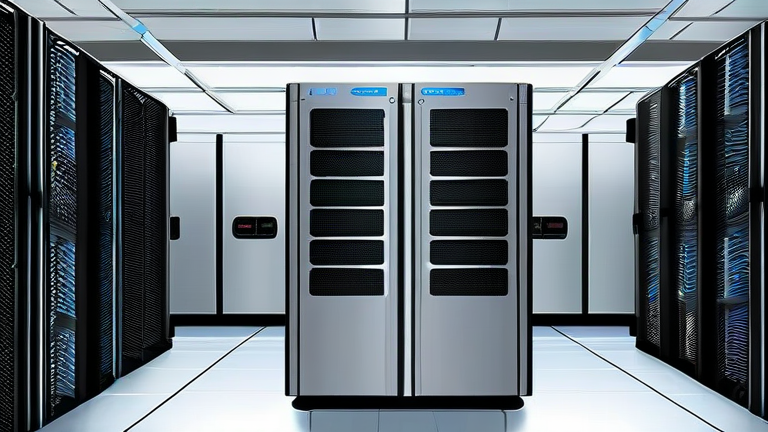
Carbon-Negative Data Centers: The Future of Sustainable Tech
TL;DR: Carbon-negative data centers actively remove more carbon dioxide from the atmosphere than they emit, fundamentally redefining infrastructure sustainability. This shift transforms tech facilities from environmental liabilities into critical allies in the global fight against climate change.
The landscape of data storage and processing is undergoing a radical transformation. No longer is “green” enough; the new standard is carbon-negative. This technology integrates direct air capture (DAC) units with high-efficiency server architectures to create facilities that clean the air while powering the digital world. By leveraging waste heat from servers to power DAC systems, these centers achieve a net-zero footprint while simultaneously reducing global atmospheric carbon levels. This is not just a marketing gimmick; it is a structural engineering revolution that aligns technological growth with ecological preservation.
If you want to dig deeper, check out our guide on Generative AI Video: The End of Traditional Storyboards.
Key Feature Highlights
At the core of these systems is the integration of modular air capture units designed to interface directly with cooling loops. Unlike traditional HVAC systems that simply expel heat, these integrated systems use that thermal energy to drive chemical reactions that bind CO2 from the intake air. The captured carbon is then mineralized and stored permanently in basalt rock, ensuring it never returns to the atmosphere. Furthermore, these centers utilize 100% renewable energy sources, often paired with on-site solar and wind installations, to power the computational load. The result is a facility that produces less energy than it consumes over its lifecycle, thanks to regenerative design principles.
Comparisons with Traditional Infrastructure
When compared to legacy data centers, carbon-negative facilities offer a stark contrast in environmental impact. Traditional centers typically rely on grid electricity, which is often coal or gas-powered, and dump massive amounts of waste heat into the local environment. Carbon-negative centers, however, invert this dynamic. While a standard facility might increase local particulate matter and greenhouse gas emissions, a carbon-negative hub reduces local air quality issues. Economically, while the upfront capital expenditure is higher, the long-term operational costs are offset by carbon credit sales and reduced energy dependency. This makes them a more resilient investment against volatile energy markets and increasingly strict environmental regulations.
Call to Action
The future of sustainable tech is here, and it is actionable. Organizations looking to lead in sustainability must now consider carbon-negative infrastructure as a competitive advantage, not just a compliance requirement. We urge CTOs and sustainability officers to explore partnerships with providers offering these integrated solutions. Start by auditing your current energy profile and identifying opportunities for waste heat utilization. The technology is ready; the question is whether your organization will lead the charge or lag behind in an era defined by environmental responsibility.
FAQ
Q: Is carbon-negative technology currently commercially viable?
A: Yes, several pilot projects and limited commercial deployments are already operational, proving that the technology can be scaled with current engineering capabilities.
Q: How does waste heat integration affect server performance?
A: It does not negatively impact performance; in fact, optimized heat reuse can improve cooling efficiency, leading to more stable server temperatures and potentially extended hardware lifespans.
Q: What is the primary barrier to widespread adoption?
A: The main barriers are high initial capital costs and the need for significant land area to accommodate both the data center and the carbon capture units, although these costs are rapidly decreasing.
Leave a Reply