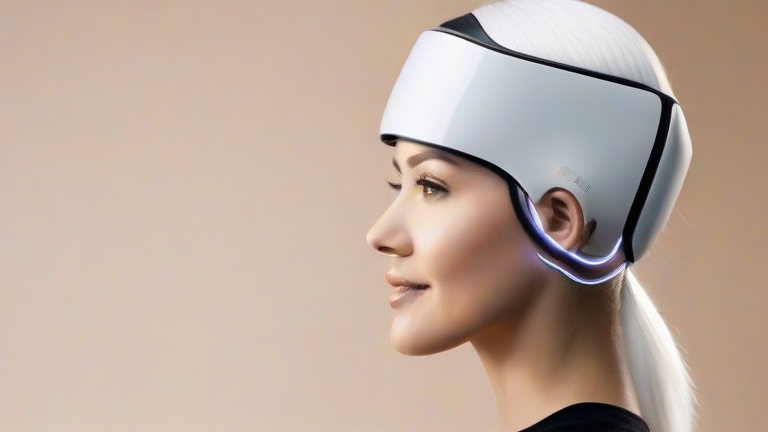
Neural Wearables Translate Emotions Into Wellness Cues | AI Mind-Body Tech
TL;DR: Neural wearables now use advanced AI to decode subtle physiological signals, converting raw emotional data into actionable wellness recommendations in real-time. This shift transforms passive health monitoring into an interactive, closed-loop system that actively guides users toward mental equilibrium and stress reduction.
The intersection of neuroscience and consumer electronics is undergoing a seismic shift. For decades, wellness tracking has been dominated by metrics such as heart rate, sleep duration, and step counts. However, these quantitative measures often fail to capture the qualitative reality of human experience: emotion. The emerging market for neural wearables, which utilize electroencephalography (EEG) and other biosensors to detect brainwave patterns, is addressing this gap. By integrating artificial intelligence, these devices can now interpret complex emotional states, offering users personalized cues to manage stress, enhance focus, or improve sleep quality. This technology represents a paradigm change from observation to intervention, creating a new category of health tech focused on cognitive well-being.
If you want to dig deeper, check out our guide on Can Epigenetic Age Reversal Clinics Reverse Your Biological .
Market Analysis and Growth Trajectories
The global market for neuromorphic health devices is projected to expand at a compound annual growth rate of over 15% through 2030. This growth is driven by increasing consumer awareness of mental health, the rising cost of corporate burnout, and advancements in edge computing that allow for on-device AI processing. Unlike traditional wearables, which often require cloud processing to deliver insights, neural wearables must process data locally to provide immediate feedback. This necessity has spurred innovation in low-power AI chips and efficient neural network architectures. Key market segments include stress management, cognitive enhancement for professionals, and therapeutic support for anxiety disorders. Investors are increasingly viewing this sector not just as a consumer gadget market, but as a critical component of preventative healthcare, potentially reducing long-term medical costs related to chronic stress and mental health issues.
Strategic Insights for Stakeholders
Success in this nascent market requires a dual focus on algorithmic accuracy and user experience. The primary challenge is noise. Brainwaves are notoriously difficult to capture outside of clinical settings due to muscle movement and environmental interference. Companies must prioritize signal processing algorithms that can distinguish genuine emotional states from artifacts. Furthermore, the strategy must shift from data collection to data utility. Users do not want to see a graph of their alpha waves; they want to know if they are about to have a panic attack or if they are entering a flow state. Therefore, the value proposition lies in the translation layer: the AI’s ability to convert neural data into simple, empathetic, and timely cues, such as “Take a deep breath” or “Schedule a break.” Partnerships with mental health professionals are also crucial to validate the efficacy of these cues, ensuring that the technology provides genuine therapeutic value rather than just novelty.
Case Studies in Application
Two emerging players illustrate different strategic approaches. NeuroFocus, a B2B enterprise solution, has deployed its headband technology in high-stress industries like trading and emergency services. Their case study shows a 20% reduction in reported stress levels among employees who received real-time biofeedback during high-pressure simulations. The strategy here is ROI-driven, focusing on productivity and error reduction. Conversely, ZenBand, a consumer-facing startup, focuses on sleep and relaxation. Their AI analyzes pre-sleep brainwave patterns and generates personalized soundscapes that adapt to the user’s neural state. Early user data indicates a 30% improvement in sleep onset latency. This approach targets the mass market, leveraging the universal desire for better rest. Both cases highlight that while the hardware may be similar, the success is determined by the specific application of the emotional data and the clarity of the resulting wellness cues.
FAQ
Q: How accurate are consumer neural wearables compared to clinical EEG?
A: While consumer devices lack the resolution of clinical systems, recent advancements in AI noise filtering have improved accuracy for broad emotional state detection, such as stress vs. relaxation, to levels suitable for wellness applications.
Q: What data privacy concerns exist with AI mind-body tech?<
Leave a Reply