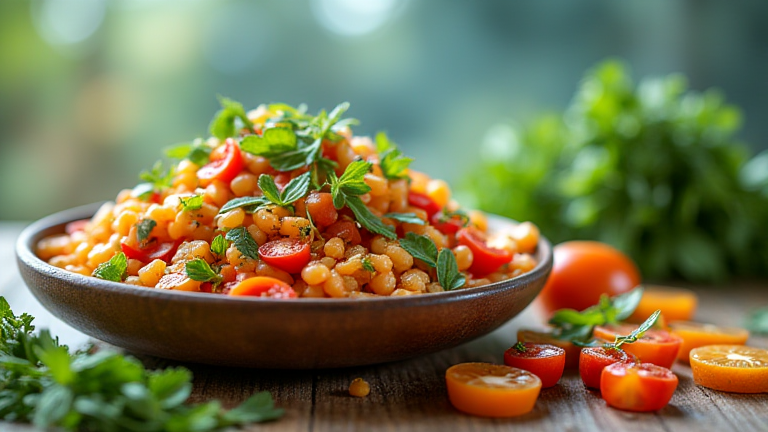
Personal Nutrition from Your Gut Microbiome: AI Guide
TL;DR: AI analyzes your unique gut microbiome composition to predict how specific foods affect your metabolic and immune health. This allows for hyper-personalized dietary recommendations that go beyond generic guidelines, optimizing nutrient absorption and reducing inflammation.
The human gut is home to trillions of microorganisms that play a critical role in digestion, immune function, and even mental health. Traditionally, nutrition advice has been one-size-fits-all, suggesting that everyone should eat the same “healthy” foods. However, recent scientific advances have shown that individual differences in gut microbiota lead to vastly different physiological responses to the same diet. This is where artificial intelligence steps in, transforming personalized nutrition from a theoretical concept into a practical reality.
The Science Behind Microbiome-Based AI
AI systems utilize machine learning algorithms to process complex data from gut metagenomic sequencing. By mapping the diversity and abundance of bacterial species in your gut, these models can identify metabolic pathways that are overactive or deficient. For instance, certain bacteria are better at fermenting specific fibers into short-chain fatty acids, which serve as energy sources for colon cells and have anti-inflammatory properties. AI can determine which fibers your microbiome handles most efficiently, allowing you to tailor your fiber intake for maximum benefit.
Furthermore, AI can predict glycemic responses to meals. Individuals with higher levels of specific bacterial strains may experience lower blood sugar spikes after eating carbohydrates compared to those with different microbial profiles. By correlating microbiome data with continuous glucose monitoring, AI provides precise timing and type recommendations for carbohydrates, helping to prevent metabolic syndrome and type 2 diabetes.
Practical Lifestyle Tips for Implementation
To leverage AI-driven nutrition insights, start by undergoing a comprehensive gut health assessment. These tests typically involve stool samples to analyze microbial diversity. Once you have your personalized report, focus on diversity. Aim to eat a wide variety of plants, as different fibers feed different bacterial species. Incorporate fermented foods like yogurt, kefir, sauerkraut, and kimchi to introduce beneficial probiotics.
Stay hydrated and manage stress, as both significantly impact gut permeability and microbial balance. Sleep is also crucial; poor sleep hygiene can disrupt the circadian rhythms of your gut bacteria, leading to dysbiosis. Use the AI-generated meal plans as a guide, but remain flexible. Your microbiome is dynamic and changes with your diet, activity level, and health status. Regularly updating your data with new tests or wearable device integrations ensures that your recommendations remain accurate and relevant.
FAQ
Q: How accurate are AI-based nutrition plans compared to standard diets?
A: Studies indicate that microbiome-based AI plans can improve glycemic control and lipid profiles more effectively than standard guidelines by addressing individual metabolic variances.
If you want to dig deeper, check out our guide on Meta’s AI Layoff Plan: 60% Team Cuts, Then a Reversal.
Q: Do I need to take expensive supplements to optimize my gut health?
A: No, most benefits are achieved through dietary diversity and fermented foods; supplements are only recommended if specific deficiencies or pathogenic imbalances are identified by the AI analysis.
Q: How often should I retest my microbiome to update my AI model?
A: It is generally recommended to retest every six to twelve months, or after significant lifestyle changes such as illness, antibiotic use, or major dietary shifts, to ensure the AI recommendations remain current.
Leave a Reply