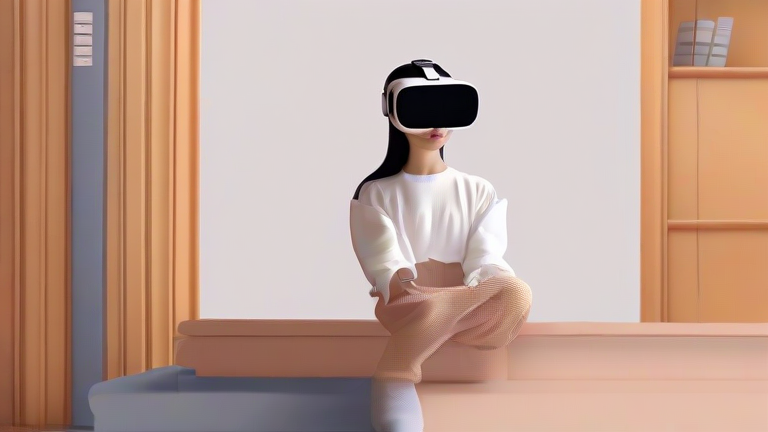
How Virtual Reality Is Transforming Online Education
The landscape of digital learning has undergone a seismic shift in recent years, moving from static video lectures to immersive, interactive experiences. At the forefront of this revolution is Virtual Reality (VR), a technology that is no longer confined to the gaming industry but is actively reshaping how knowledge is consumed, retained, and applied. As educational institutions and corporate training programs seek more engaging methods to deliver content, VR offers a solution that bridges the gap between theoretical understanding and practical application. This transformation is not merely about novelty; it is about efficacy, accessibility, and the democratization of high-quality experiential learning.
The Latest Developments in Hardware and Software
The recent wave of VR hardware has addressed many of the previous barriers to entry, such as high costs, bulky equipment, and user discomfort. Modern standalone headsets, equipped with high-resolution OLED displays and inside-out tracking, have made VR more accessible than ever. These devices boast refresh rates exceeding 90Hz, significantly reducing motion sickness, while their ergonomic designs allow for extended use during long study sessions. Furthermore, advancements in haptic feedback technology are adding a tactile dimension to virtual classrooms, allowing students to “feel” virtual objects, which is crucial for fields like surgery or mechanical engineering.
If you want to dig deeper, check out our guide on Wearable Tech Monitors Chronic Disease Progression.

On the software side, platforms are becoming increasingly sophisticated. AI-driven avatars now serve as virtual tutors, providing personalized feedback and adapting to the student’s pace. These intelligent systems can analyze eye movements and engagement levels in real-time, adjusting the difficulty of tasks or offering hints when a student appears stuck. Additionally, the integration of mixed reality (MR) allows users to overlay digital information onto their physical environment, creating hybrid learning spaces that blend the best of both worlds. This synergy between hardware precision and software intelligence is creating a robust infrastructure for next-generation education.
Industry Impact and Future Prospects
The impact of VR on the education industry is profound, particularly in specialized fields that require hands-on experience. Medical students can now practice complex surgical procedures in a risk-free virtual environment, repeating simulations until they achieve mastery. Engineering students can dismantle and re
Leave a Reply