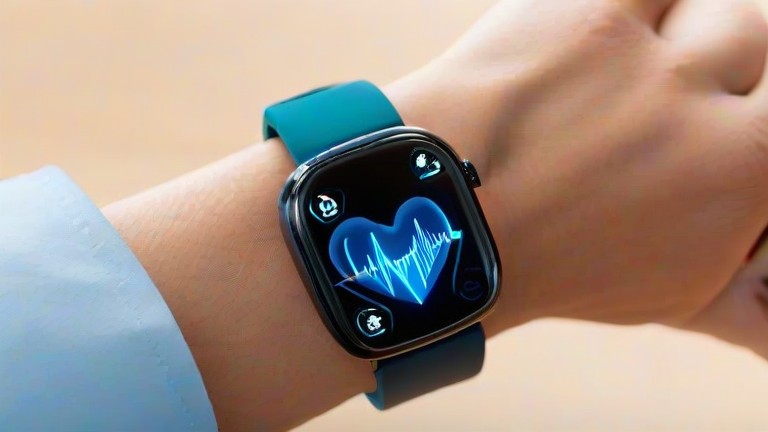
TL;DR: Modern wearables can detect early cardiac warning signs such as atrial fibrillation, irregular heart rhythms, and abnormal heart-rate variability with clinically meaningful accuracy. Yes—when paired with prompt medical follow-up, these devices can help prevent serious heart events.
For decades, catching heart problems early meant waiting for symptoms or hoping a routine ECG happened to fall on the right day. Wearables have flipped that equation. Devices from Apple, Samsung, Fitbit, and Withings now monitor your heart continuously, flagging irregularities that would otherwise go unnoticed—often before any symptoms appear.
If you want to dig deeper, check out our guide on Slow Travel & Micro-Retreats: The Antidote to Burnout.
Feature Highlights
ECG on demand: A single-lead electrocardiogram built into a smartwatch can record a 30-second trace in under a minute, distinguishing normal sinus rhythm from atrial fibrillation (AFib)—a condition linked to a fivefold increase in stroke risk.
Continuous rhythm monitoring: Background algorithms sample heart rate and rhythm around the clock, generating notifications when patterns suggest irregularity. Studies of consumer devices have reported AFib detection sensitivity above 90% in validated cohorts.
Heart-rate variability and resting HR trends: Gradual changes in HRV and resting heart rate can signal stress, illness, or emerging cardiovascular strain—long before a crisis.
Blood oxygen and sleep apnea cues: Nocturnal SpO2 dips can hint at sleep apnea, itself a contributor to arrhythmias and hypertension.
How They Compare
Apple Watch leads on ECG accessibility and AFib history features, with strong validation data. Samsung Galaxy Watch offers similar ECG and irregular-rhythm notifications for Android users. Fitbit emphasizes passive AFib detection with longer battery life, while Withings hybrid watches blend classic styling with medical-grade sensors. Dedicated devices like the KardiaMobile provide single-lead ECGs without a watch entirely.
None replace a cardiologist. Consumer wearables are screening tools—not diagnostic instruments—and false positives occur. But their strength is capturing the moment something goes wrong.
Take Action Today
If you’re over 40, have a family history of heart disease, or experience palpitations, a wearable is a low-cost safety net. Choose a device with FDA-cleared ECG and rhythm notifications, enable alerts, and share results with your doctor. Don’t wait for symptoms—start monitoring this week.
FAQ
Q: Are wearable heart alerts accurate enough to trust?
A: For AFib detection, validated consumer devices show high sensitivity and specificity, but they are screening tools—confirm any alert with a clinician and a medical ECG.
Q: Can a smartwatch actually prevent a heart attack?
A: Not directly, but early detection of arrhythmias and risk factors enables timely treatment, which reduces the likelihood of stroke and other cardiac events.
Q: Which wearable should I choose?
A: iPhone users should consider Apple Watch; Android users, Galaxy Watch; those wanting passive detection and battery life, Fitbit. Prioritize FDA-cleared ECG and rhythm notification features.
Leave a Reply