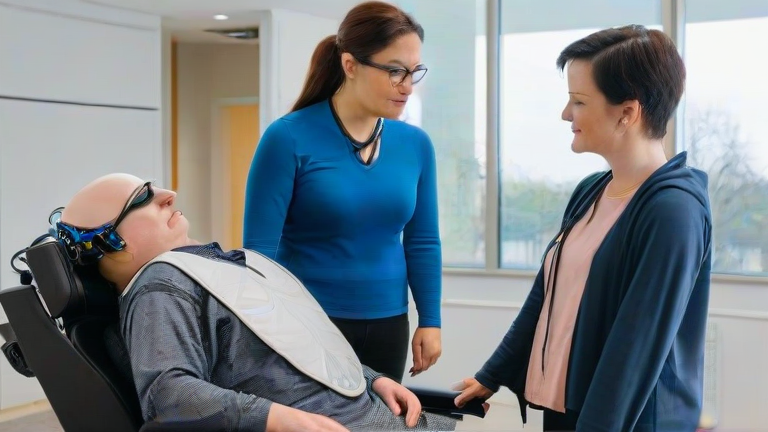
TL;DR: Brain-computer interfaces (BCIs) translate neural signals into digital commands, letting people with paralysis or limb loss control computers, prosthetics, and communication devices with thought alone. Research shows BCIs can restore meaningful independence, and pairing their use with sleep, movement, and social habits amplifies the benefits.
How BCIs Work — and Who They Help
BCIs read electrical activity from the brain via non-invasive caps or implanted electrodes, then machine-learning algorithms decode intent into action. In 2021, a Stanford-led team reported that a participant with paralysis typed at roughly 90 characters per minute using an intracortical BCI — a record at the time. Non-invasive systems, while less precise, support cursor control and spellers without surgery, making them accessible for daily practice at home.
If you want to dig deeper, check out our guide on Solid-State Batteries Could Unlock 1,000-Mile EVs.
Lifestyle Habits That Boost BCI Results
Neuroplasticity is the engine behind BCI skill. Practice in short, daily sessions (20–30 minutes) rather than marathon training; consistency strengthens the neural patterns the decoder learns. Prioritize sleep — the brain consolidates motor learning overnight, and fatigue measurably degrades signal quality. Stay physically active within your ability: even assisted stretching or seated exercise supports circulation and attention. Hydration and steady blood sugar also matter, since both affect cognitive focus during sessions.
Emotional and Social Support
Adjusting to a new interface can be frustrating. Set process goals (“ten focused minutes today”) instead of outcome goals, and celebrate small gains. Peer communities and rehabilitation therapists help troubleshoot setup issues and reduce isolation — a known driver of better long-term device adoption.
FAQ
Q: Are BCIs safe to use at home?
A: Non-invasive BCIs are generally low-risk with proper fitting; implanted devices require clinical oversight, so follow your care team’s guidance.
Q: How long does it take to learn?
A: Many users see basic control within weeks of consistent practice, though mastery varies with device type and individual factors.
Q: Can BCIs replace other assistive tech?
A: Not usually — they work best alongside eye-tracking, switches, and speech tools, so discuss a combined setup with your therapist.
Leave a Reply