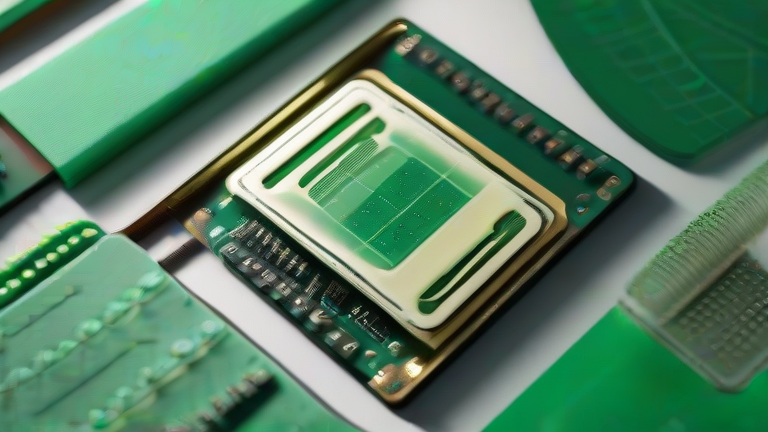
Biodegradable Electronics for Disposable Tech: The Future of Green Gadgets
In an era defined by rapid technological advancement, the electronic waste crisis looms large. Every year, millions of tons of devices end up in landfills, releasing toxic chemicals into our soil and water. However, a revolutionary shift is underway. Enter biodegradable electronics, a burgeoning field promising to redefine how we interact with disposable technology. This review explores whether these green gadgets are truly ready for mainstream adoption or if they are merely a fleeting trend in sustainable design.
If you want to dig deeper, check out our guide on Top 10 Tech Trends Shaping 2024 You Can’t Ignore.
Feature Highlights: Nature Meets Nanotechnology
The core innovation behind biodegradable electronics lies in the materials used. Traditional circuit boards rely on copper and silicon, which persist for centuries. In contrast, next-gen devices utilize substrates made from silk, cellulose, and magnesium. These materials are not only compostable but also possess remarkable electrical properties. For instance, magnesium interconnects dissolve harmlessly in the body or environment, leaving no trace behind.

Key features include flexibility, lightweight construction, and rapid decomposition rates. Recent prototypes have demonstrated the ability to break down within weeks under specific composting conditions. Furthermore, these devices often incorporate bio-sensors capable of monitoring health metrics, offering a dual benefit of personal wellness and environmental stewardship. The user experience remains seamless, with responsiveness and durability comparable to conventional plastics, albeit with a significantly lower carbon footprint.
Comparative Analysis: Green vs. Traditional
When comparing biodegradable electronics to their traditional counterparts, the differences are stark. Traditional smartphones may last five years but contribute to a permanent waste stream. Biodegradable alternatives, such as temporary RFID tags or single-use medical sensors, are designed for short lifespans. While they may not yet match the processing power of flagship smartphones, they excel in niche applications like agricultural monitoring, smart packaging, and disposable medical diagnostics.
Cost remains a primary barrier. Currently, manufacturing biodegradable components is more expensive due to limited scale and complex material sourcing. However, as technology matures and demand
Leave a Reply