
TL;DR: Upcycling thrifted furniture with non-toxic finishes and proper structural reinforcement significantly extends its lifespan while reducing environmental waste. These affordable fixes not only save money but also promote a healthier living environment by eliminating harmful volatile organic compounds found in new particleboard items.
The Science of Sustainable Swaps
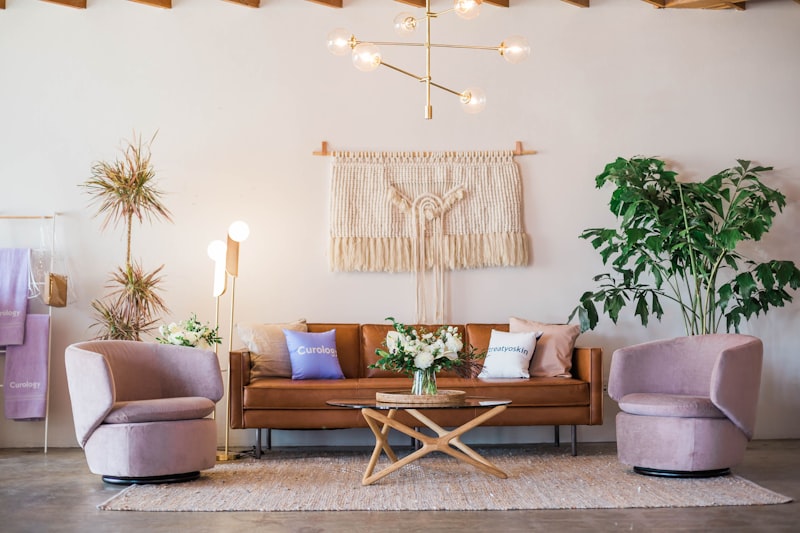
In an era defined by fast furniture and disposable culture, the allure of cheap thrift store finds is undeniable. However, many discard these treasures after a single season due to wear and tear. The reality is that with minimal investment and strategic interventions, these pieces can outlast their expensive counterparts. Recent studies in material science suggest that solid wood, often found in vintage stores, has a higher density and durability than the composite materials used in mass-produced modern furniture. By addressing structural weaknesses and surface degradation, you can restore these items to pristine condition.
Non-Toxic Restoration Techniques
Health and wellness extend beyond diet and exercise; they encompass the air quality within our homes. New furniture often off-gasses volatile organic compounds (VOCs), which can cause respiratory irritation and long-term health issues. Thrifted items, when properly cleaned and finished with low-VOC or zero-VOC paints and sealants, create a safer indoor environment. Start by stripping old, chipping varnish using mechanical methods or biodegradable strippers. This removes potential lead paint hazards common in pre-1978 furniture. Next, reinforce joints with wood glue and clamps rather than nails, which can loosen over time. This mechanical stability ensures the piece remains safe and sturdy, preventing accidental injuries.
Practical Lifestyle Integration
Integrating upcycling into your weekly routine offers mental health benefits. The tactile nature of sanding and painting provides a meditative break from digital screens, reducing stress levels. Furthermore, the unique character of restored furniture adds warmth and authenticity to your living space, fostering a sense of accomplishment and personal connection to your surroundings. You do not need professional skills; simple techniques like decoupage or chalk painting can transform a dull table into a vibrant centerpiece. The key is consistency and using quality materials that stand the test of time. By investing time rather than money, you create a sustainable home environment that reflects your values. This approach not only declutters your wallet but also your conscience, aligning your living space with eco-friendly principles. Embrace the imperfections and history of each piece, allowing them to tell a story while providing functional beauty.
FAQ
Q: Is it safe to use thrifted furniture for nurseries?
A: Yes, provided you test for lead paint and thoroughly sand and seal the surface with non-toxic, child-safe finishes to ensure no harmful chemicals are released.
If you want to dig deeper, check out our guide on Is This New Technology Creepy? Exploring the Dark Side of In.
Q: How long does a properly restored piece last compared to new furniture?
A: Solid wood thrifted items, when structurally reinforced and finished correctly, can last decades or even generations, significantly outlasting cheap particleboard alternatives that typically degrade within five years.
Q: What are the best non-toxic finishes for high-use surfaces?
A: Water-based polyurethanes and hard-wax oils are excellent choices as they provide durable, scratch-resistant protection without emitting harmful VOCs into your indoor air quality.
Leave a Reply