UBS $4.1T AI Data Center Bet: The Power Grid Bottleneck
TL;DR: UBS is betting that the primary constraint on AI scaling is no longer compute capacity but the ability to generate and transmit sufficient electricity to power massive data centers. The $4.1 trillion investment thesis hinges on the urgency to secure long-term power contracts before grid bottlenecks halt AI expansion entirely.
The Shift from Chips to Cables
For years, the artificial intelligence race was defined by silicon. Companies competed to build faster GPUs and larger clusters of accelerators. However, recent market analysis by UBS suggests a fundamental paradigm shift. The new bottleneck is not the chip, but the current flowing to it. As large language models evolve into more complex, energy-hungry systems, the power requirements for data centers are exploding. UBS estimates that the total addressable market for AI infrastructure, when factoring in the necessary power generation and distribution upgrades, reaches a staggering $4.1 trillion over the next decade.
If you want to dig deeper, check out our guide on Why the New Apple M4 MacBook Pro Is the Best Laptop for Deve.
This figure is not just about building more servers. It represents the massive capital expenditure required to modernize the electrical grid. Existing grids were designed for steady, predictable loads from residential and industrial consumers. They are ill-equipped to handle the sudden, massive spikes in demand generated by high-performance computing clusters. The result is a critical shortage of available power capacity in key tech hubs like Virginia, Texas, and the Pacific Northwest.
Technical Specifications and Infrastructure Demands
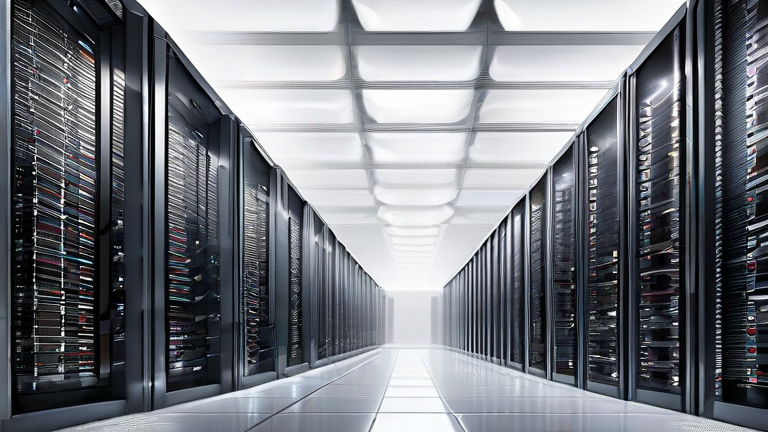
Modern AI training runs require data centers to operate at high density. A single rack of next-generation AI accelerators can consume as much power as a small city block. To support this, data center operators are moving beyond standard commercial power feeds. They are now engaging directly with utility companies and independent power producers to secure dedicated high-voltage connections. This involves building new substations, laying miles of new transmission lines, and in some cases, constructing on-site generation facilities such as natural gas turbines or even experimental nuclear micro-reactors.
The specifications for these new facilities are changing. Cooling systems are becoming more efficient, but the electrical load remains the dominant factor. Operators are designing facilities with redundant power paths to ensure 99.999% uptime. The interconnection queues for new power facilities in major US states have grown to exceed ten years, meaning that even if a data center is built, it may sit idle waiting for the power to connect. This delay is a significant risk to the rapid deployment of AI capabilities.
Industry Impact and Strategic Implications
The power grid bottleneck has profound implications for the AI industry. It creates a moat for early movers who can secure power contracts now. Companies that lock in capacity today will have a competitive advantage over those stuck in the queue. This has led to increased vertical integration, with tech giants investing in renewable energy projects and battery storage solutions to stabilize their supply.
Furthermore, the geographic location of data centers is shifting. Instead of clustering solely near population centers for low latency, operators are moving to locations with abundant energy resources, even if it means higher latency for some users. The focus is shifting from speed to availability. The $4.1 trillion bet is essentially a wager that electricity is the new oil of the digital age. Those who control the flow of power will control the future of artificial intelligence. The challenge is no longer just how fast we can think, but how much energy we can burn to do it.
FAQ
Q: What is the primary reason for the $4.1 trillion estimate?
A: The estimate includes the cost of building data centers, purchasing compute hardware, and crucially, the massive infrastructure upgrades needed for power generation and grid distribution to support these facilities.
Q: How does the power bottleneck affect AI development timelines?
A: It delays the deployment of new AI models because data centers cannot operate without a stable, high-capacity power supply, and grid interconnection processes often take years to complete.
Q: Are there alternative energy sources being adopted to solve this?
A: Yes, companies are increasingly turning
Leave a Reply