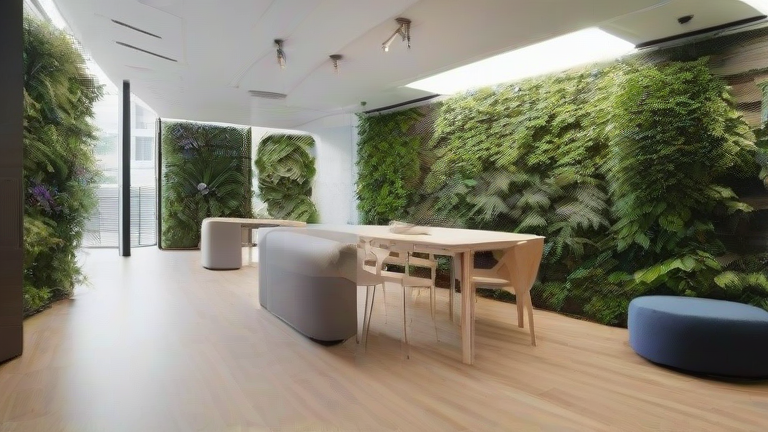
TL;DR: Integrating natural elements like plants, natural light, and organic materials into office spaces significantly reduces stress and enhances cognitive function. This biophilic retrofit is now a standard best practice for supporting employee mental health and boosting overall workplace productivity.
The Science of Nature in the Workplace
For decades, the typical office environment was defined by sterile white walls, fluorescent lighting, and enclosed cubicles. This design, while cost-effective, often contributed to a phenomenon known as “building syndrome,” characterized by fatigue, headaches, and decreased mental clarity. Recent studies in environmental psychology have shifted the paradigm, demonstrating that human beings have an innate need to connect with the natural world. This is the core of biophilic design. When we are deprived of nature, our cortisol levels rise, and our ability to focus diminishes. Conversely, introducing elements of the natural world triggers a physiological relaxation response.
If you want to dig deeper, check out our guide on Why the M4 MacBook Pro Is the Best Developer Machine Right N.
Research indicates that employees in biophilic offices report higher levels of creativity and job satisfaction. The presence of greenery has been linked to a reduction in blood pressure and heart rate. Furthermore, natural light regulates circadian rhythms, which are crucial for maintaining healthy sleep patterns and mood stability. By aligning the built environment with biological needs, companies are not just decorating; they are investing in the mental architecture of their workforce.
Practical Lifestyle Tips for Your Workspace
You do not need a full architectural overhaul to benefit from biophilic principles. Simple adjustments can transform your daily experience. Start by introducing live plants. Even small succulents or pothos vines can improve air quality and provide a calming visual anchor. Choose hardy, low-maintenance plants that thrive in indoor conditions. If natural sunlight is limited, consider using full-spectrum lighting that mimics the sun’s color temperature to reduce eye strain and boost alertness during the day.
Incorporate natural materials into your desk setup. A wooden mousepad, a stone paper notebook, or a bamboo chair can provide tactile comfort. These materials connect us to the earth in subtle but meaningful ways. Additionally, create a “view to nature” if possible. Position your desk to face a window if the view includes trees or sky. If an external view is not available, use digital screens displaying high-resolution nature imagery, though this should not replace real elements entirely.
Finally, practice “green breaks.” Step outside or move to a sunlit area for five minutes every hour. This brief exposure to natural light and fresh air resets your attention span. Encourage your team to have meetings in areas with natural elements or even outdoors when the weather permits. These small shifts in routine help maintain mental resilience throughout the workday.
Long-Term Benefits for Wellness
Adopting biophilic design is not a trend but a long-term wellness strategy. It fosters a culture of well-being where mental health is prioritized alongside output. Employees who feel cared for are more engaged and less likely to experience burnout. As this standard becomes widespread, the expectation for healthy work environments will only grow. By embracing nature in the office, we align our professional lives with our biological heritage, creating spaces that truly nurture the human mind and body.
FAQ
Q: Do biophilic elements require high maintenance?
A: No, most effective biophilic elements are low-maintenance. Choose hardy indoor plants that tolerate low light, and use durable natural materials like wood or stone that do not require frequent replacement or special cleaning.
Q: Can biophilic design work in small home offices?
A: Absolutely. You can add a small potted plant, use a natural fiber rug, and ensure your workspace is near a window. Even a single element like a view of greenery can significantly reduce stress in a compact space.
Q: Is artificial nature imagery effective?
A: While digital nature views can provide some psychological benefits, they are not a substitute for real plants, natural light, and organic materials. For the best mental health outcomes, prioritize physical natural elements and use imagery as a supplementary tool.
Leave a Reply