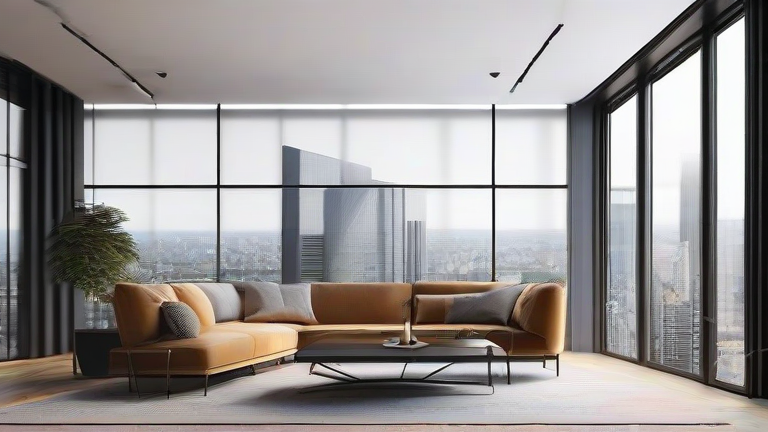
TL;DR: Remote work has shifted urban real estate demand from dense downtown cores to spacious, quiet suburbs and secondary cities with lower costs of living. This migration prioritizes home office quality and access to nature over proximity to corporate hubs.
The Great Suburban Resurgence
For decades, the city center was the undisputed king of real estate value. However, the widespread adoption of remote work has fundamentally altered this hierarchy. Professionals are no longer bound by the tyranny of the commute, leading to a massive exodus from high-rise apartments in Manhattan, London, and Tokyo. Instead, buyers and renters are flocking to neighborhoods that offer more square footage, natural light, and a sense of community. This trend is not just about escaping traffic; it is about reclaiming time and space for personal well-being.
If you want to dig deeper, check out our guide on Neurodivergent-Friendly Workplace Design: Why It’s Rising.
The concept of “lifestyle arbitrage” is now central to real estate decisions. Individuals are leveraging their high urban salaries to purchase property in regions with a lower cost of living, such as the Pacific Northwest, the American South, or rural parts of Europe. This shift allows for a higher quality of life, where weekends are spent hiking local trails or exploring local food scenes rather than navigating crowded subways. The home is no longer just a place to sleep; it is a sanctuary and a workspace, requiring dedicated areas for focus and relaxation.
Culture and Community in New Hubs
As people relocate, they are bringing their cultural preferences with them, reshaping the local economies of these new hubs. Boutique coffee shops, farm-to-table restaurants, and artisanal markets are booming in areas that were once quiet commuter towns. This influx of remote workers has sparked a renaissance in local culture, encouraging a slower, more intentional pace of life. Personal growth becomes a focal point, with residents investing in wellness, creative hobbies, and deep community connections rather than corporate networking. The urban landscape is no longer defined by glass skyscrapers but by the vibrant, diverse communities forming in smaller, more human-scale environments.
FAQ
Q: Is the downtown apartment market collapsing?
A: No, while demand has shifted, prime downtown locations remain desirable for those who value nightlife, culture, and walkability, though prices have stabilized in many markets.
Q: Which cities are seeing the most real estate growth?
A: Mid-sized cities with a strong digital infrastructure, pleasant climate, and lower cost of living, such as Austin, Nashville, and Asheville, are currently leading in growth.
Q: How does this trend affect local food and culture?
A: It often boosts local dining and cultural scenes, as residents spend more time exploring their immediate neighborhoods, supporting small businesses and local artisans.
Leave a Reply