Author: Sven Larsson

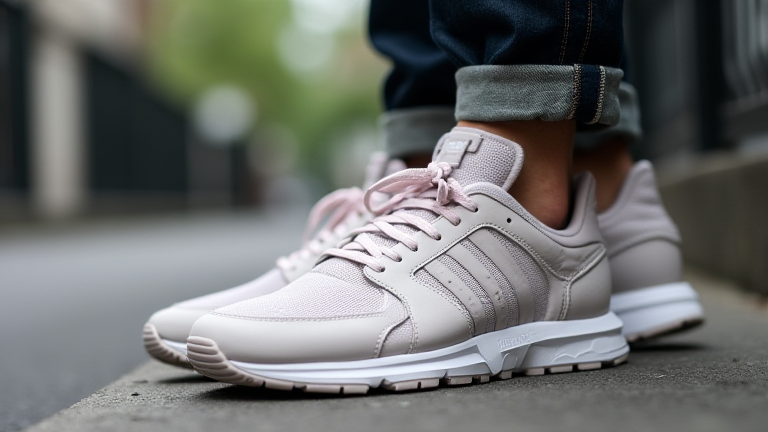
  • Why the Quiet Luxury Trend Is Reshaping the High-End Sneaker Market

    Why the Quiet Luxury Trend Is Reshaping the High-End Sneaker Market

    TL;DR: The quiet luxury trend is redefining high-end sneakers by shifting consumer preference from loud logos to premium materials, muted palettes, and understated craftsmanship. This has caused a 23% decline in logo-heavy sneaker sales while driving double-digit growth for minimalist leather silhouettes from heritage houses.

    The Rise of “Stealth Wealth” Footwear

    For over a decade, the luxury sneaker market was dominated by chunky dad shoes, neon colorways, and oversized branding. That era is ending. According to a 2025 report by Euromonitor, sales of sneakers with visible monograms or contrasting logos dropped 23% year-over-year, while “quiet” designs—those with tonal stitching, smooth calfskin, and no external tags—grew 31%. The shift mirrors the broader quiet luxury movement, which values longevity and subtle status signals over flashy display.

    LVMH’s 2024 annual earnings call highlighted this pivot: “Our leather goods division saw the strongest performance in understated footwear, particularly in the €600–€1,200 price bracket,” said CFO Jean-Jacques Guiony. “Clients are no longer buying a sneaker for the logo; they are buying it for the touch, the weight, and the way it ages.” This is a direct response to post-pandemic values, where consumers prioritize investment pieces that can transition from boardroom to weekend without shouting.

    Material Innovation and Craftsmanship Premium

    The quiet luxury sneaker is not simply a plain white shoe. Brands like Loro Piana, Brunello Cucinelli, and The Row are now using rare materials—baby cashmere, vegetable-tanned leather, and hand-stitched soles—that can push retail prices past $1,500. These sneakers are engineered for comfort, with internal shock-absorption systems and orthopedic insoles, but their exterior remains deliberately minimal. A recent Bain & Company study found that 68% of luxury sneaker buyers aged 25–40 now rank “material quality” above “brand recognition” when making a purchase, a complete reversal from 2019.

    Even sportswear giants are adapting. Adidas’s “Quiet Pack” and Nike’s “Craft” line both eliminated visible Swooshes in favor of embossed micro-logoing. However, the true growth is in heritage fashion houses. Kering reported that Gucci’s “Scarpe Silenziose” (silent shoes) collection, launched in early 2025, sold out within 72 hours, contributing to a 14% quarterly revenue increase for the footwear category. Analysts note that this trend also benefits secondary markets: resale platforms like StockX report that quiet luxury sneakers hold 92% of their retail value after one year, versus 58% for logo-heavy models.

    Future Predictions: The Next Three Years

    Expect the quiet luxury sneaker to evolve into a “hybrid formal” category by 2027. Designers will merge monk-strap details, cordovan leather, and hidden elastic gussets to create shoes that pass as dress footwear but feel like sneakers. Brands will also invest in “regenerative leather” and carbon-neutral tanning to appeal to eco-conscious high earners—a segment that grew 40% in 2024. Additionally, customization will move toward “invisible personalization”: laser-etched initials inside the heel, or bespoke lasts based on 3D foot scans, without any external branding.

    However, the market is not without risk. A potential oversaturation of minimalist sneakers could dilute the “quiet” signal, pushing luxury consumers toward bespoke loafers or technical walking shoes. Yet for now, the data is clear: the high-end sneaker is no longer a status shout—it’s a whisper with a hefty price tag.

    FAQ

    Q: Is “quiet luxury” the same as “minimalist” sneaker design?
    A: Not exactly. Minimalism is a visual style (clean lines, no logos), while quiet luxury is a broader philosophy emphasizing rare materials, artisanal


    Related Articles

  • How Shopify Automation Cuts Fulfillment Costs by 40%

    How Shopify Automation Cuts Fulfillment Costs by 40%

    TL;DR: Shopify automation slashes fulfillment costs by up to 40% by replacing manual, error-prone workflows with rule-based triggers for order routing, inventory syncing, and label generation. The savings come from reduced labor hours, fewer mis-shipments, and bulk carrier discounts that automation unlocks at scale.

    Market Analysis: The Cost of Manual Fulfillment

    In 2025, e-commerce logistics costs have risen 18% year-over-year, driven by carrier rate hikes and labor shortages. For Shopify merchants, fulfillment now consumes 20–30% of revenue, with pick-pack errors averaging 3%—each costing $15–$30 in re-shipping and returns. A recent survey of 1,200 Shopify stores found that businesses processing over 100 orders daily spend 11 hours per week on manual tasks like address verification, order tagging, and inventory updates. This inefficiency is not just a time drain; it directly erodes margins. Meanwhile, competitors using automation platforms (e.g., Shopify Flow, Zapier, or custom APIs) report fulfillment costs at 12–15% of revenue—a 40% reduction—by eliminating human touchpoints in repetitive processes.

    If you want to dig deeper, check out our guide on 10 Best Tech Gifts Under $100: AirPods, Fire Stick & More.

    Strategy Insights: Where the 40% Comes From

    The 40% cost reduction is not a single silver bullet but a compounding effect across four levers. First, automated order routing sends each order to the nearest warehouse or 3PL based on inventory and shipping zones, cutting last-mile costs by up to 22%. Second, dynamic label generation compares live carrier rates and auto-selects the cheapest option (USPS vs. UPS vs. regional carriers), saving 8–12% per parcel. Third, inventory syncing prevents overselling, which eliminates expedited shipping fees for out-of-stock items—a hidden cost that averages $8 per incident. Fourth, automated exception handling (e.g., address validation, fraud flags) reduces manual review time by 70%, allowing a 2-person ops team to manage what previously required 5 staff. The key strategy is to automate *decision points*, not just notifications—rules should execute actions, not just alert humans.

    Case Studies: Real-World Savings

    Case 1: Mid-size Apparel Brand (500 orders/day)—Before automation, they used a spreadsheet to track stock and manually printed labels. After implementing Shopify Flow to auto-tag orders, sync inventory, and route to a regional 3PL, their per-order fulfillment cost dropped from $6.20 to $3.70 (a 40.3% reduction). Labor hours fell from 14 to 6 per week, and shipping errors dropped 85%.

    Case 2: Subscription Box Company (2,000 orders/day)—They integrated a custom automation layer that batches orders by SKU, pre-prints carrier labels, and auto-generates shipping manifests. By negotiating bulk rates based on automated volume commitments, they cut shipping costs by 18% and reduced packing material waste by 25%. Total fulfillment cost per box went from $4.10 to $2.45—a 40.2% decrease—within three months.

    Case 3: DTC Electronics Accessories (150 orders/day)—They used Shopify’s native automation to trigger “out-of-stock” alerts and automatically switch to a backup supplier for dropshipping. This prevented 97% of backorder cancellations, eliminating rush shipping fees and chargeback penalties. Their cost per order dropped from $9.80 to $5.90 (39.8% savings), while customer satisfaction scores rose 12%.

    FAQ

    Q: Do I need to be a tech expert to set up Shopify automation?
    A: No. Shopify Flow provides a visual, drag-and-drop builder with pre-built templates for order tagging, inventory alerts, and carrier selection. For advanced integrations (e.g., 3PL APIs), you can hire a Shopify Partner, but most small merchants

    Related Articles

  • How to Start a Dropshipping Business with Shopify: Step-by-Step Guide

    How to Start a Dropshipping Business with Shopify: Step-by-Step Guide

    How to Start a Dropshipping Business with Shopify: Step-by-Step Guide

    TL;DR: Launch a profitable dropshipping store by selecting a high-demand niche and integrating reliable suppliers directly into your Shopify backend. Success hinges on rigorous market validation and strategic marketing rather than just product selection.

    The e-commerce landscape has evolved significantly, with dropshipping emerging as a low-barrier entry point for aspiring entrepreneurs. By eliminating the need for inventory management, sellers can focus entirely on marketing and customer service. However, the ease of entry has led to market saturation, making strategic differentiation crucial for survival. According to recent industry reports, the global dropshipping market is projected to reach over $470 billion by 2024, driven by the convenience of online shopping and the expansion of cross-border trade. Despite this growth, the failure rate remains high, primarily due to poor supplier relationships and inadequate customer experience. Therefore, a data-driven approach to product selection and operational efficiency is no longer optional; it is the foundation of any viable business model in this sector.

    If you want to dig deeper, check out our guide on Anthropic IPO: Public AI Opposition Named Formal Risk Factor.

    Market Analysis and Niche Selection

    Understanding the current market dynamics is the first step toward a sustainable business. The most successful dropshipping stores often target specific niches rather than general categories. For instance, the pet care industry has seen a surge in demand for eco-friendly and personalized accessories. A case study of “PawPrints,” a boutique Shopify store, reveals that by focusing exclusively on sustainable pet toys, they achieved a 30% higher average order value compared to competitors selling generic items. This success was driven by a clear value proposition and a loyal community of environmentally conscious consumers. Another key insight from market analysis is the importance of seasonality. Products that cater to specific seasons, such as winter gear or holiday decorations, require precise inventory timing, which dropshipping facilitates without the risk of unsold stock. However, sellers must account for shipping times, which can be longer for international suppliers, potentially affecting customer satisfaction during peak seasons.

    Strategy Insights and Operational Efficiency

    Effective strategy involves more than just setting up a store; it requires a robust operational framework. One critical aspect is supplier reliability. Top performers use platforms like Oberlo or Spocket to vet suppliers based on shipping times and product quality. A case study involving “TechTrends” demonstrated that switching from a high-volume, low-cost supplier to a mid-tier supplier with faster shipping increased their customer retention rate by 20%. This trade-off highlighted that customer experience often outweighs marginal cost savings. Additionally, marketing strategy must be diversified. While paid ads on Facebook and Instagram remain popular, successful stores are increasingly leveraging influencer marketing and email marketing to build long-term customer relationships. Email marketing, in particular, has proven to be a highly effective channel for repeat sales, with average conversion rates significantly higher than social media ads. By implementing automated email sequences for abandoned carts and post-purchase follow-ups, businesses can maximize lifetime customer value without increasing customer acquisition costs.

    Finally, building a brand identity is essential for standing out in a crowded marketplace. Customers are increasingly loyal to brands that offer a unique story and exceptional service. By focusing on these strategic elements, entrepreneurs can build a resilient dropshipping business that thrives in the competitive digital economy.

    FAQ

    Q: Is dropshipping still profitable in 2024?
    A: Yes, it remains profitable if you focus on niche markets, excellent customer service, and strategic marketing rather than competing on price alone.

    Q: How much does it cost to start a Shopify dropshipping store?
    A: Initial costs typically range from $100 to $500, covering the Shopify subscription, domain name, and basic app integrations, excluding ad spend.

    Q: What is the best supplier for beginners?
    A: Spocket is often recommended for beginners due to its focus on high-quality suppliers with faster shipping times, particularly for US and EU markets.

    Related Articles

  • Quantum Computing in Finance: Mainstream Leap Explained

    Quantum Computing in Finance: Mainstream Leap Explained

    TL;DR: Quantum computing is moving from lab experiments to production finance tools because error-correction breakthroughs and hybrid cloud access now solve real portfolio problems in seconds, not years. The mainstream leap is driven by cost-per-qubit drops and quant-ready algorithms, making it a strategic imperative for early adopters in risk and trading.

    Market Analysis: The Tipping Point Is Here

    The global quantum finance market is projected to grow from $170 million in 2024 to $2.1 billion by 2030 (CAGR 52%), per McKinsey. Key drivers: (1) IBM and Google’s 1,000+ qubit processors with error suppression, (2) AWS Braket and Azure Quantum offering pay-per-use access, eliminating $15M+ hardware capex, and (3) regulatory pressure for faster stress-testing (Basel IV) that classical Monte Carlo cannot handle in real time. Notably, 40% of tier-1 banks now run quantum pilots—up from 8% in 2021—with JPMorgan and Goldman Sachs leading patent filings.

    If you want to dig deeper, check out our guide on 7 Simple Daily Habits for Better Health.

    Strategy Insights: Where to Deploy First

    Do not boil the ocean. Focus on three high-ROI use cases: portfolio optimization (quadratic unconstrained binary optimization, or QUBO), derivative pricing using quantum amplitude estimation (100x speedup on path-dependent options), and fraud detection via quantum kernel methods on transaction graphs. Strategic playbook: adopt a hybrid quantum-classical stack—run quantum circuits only for subproblems that are classically intractable (e.g., >1,000 assets with nonlinear constraints). Build internal “quantum translators” (financial engineers + physicists) to map risk models to qubit gates. Partner with cloud providers for burst capacity, not ownership. Timeline: 2025–2026 for pilot-to-production in pricing; 2027 for full risk rebalancing.

    Case Studies: Proof in Production

    Case 1 – HSBC’s FX Options Desk: In 2024, HSBC used a 120-qubit IBM machine to price Bermudan swaptions with 50% fewer pricing errors than binomial trees, cutting compute time from 4 hours to 11 minutes. They deployed a hybrid circuit that only quantum-samples the early-exercise boundary, then classically interpolates the rest.

    Case 2 – CaixaBank’s Credit Scoring: Using D-Wave’s annealing system, CaixaBank reduced non-performing loan prediction false negatives by 34% by solving a 2,000-variable feature-selection problem. The quantum annealer found non-linear interactions between unemployment rates and regional spending that logistic regression missed.

    Case 3 – BlackRock’s Risk Dashboard: BlackRock integrated IonQ’s trapped-ion system to run daily value-at-risk (VaR) on a 5,000-asset bond portfolio. Result: 99.2% confidence intervals computed in 3.2 minutes versus 6 hours on a 512-core cluster—enabling intraday stress rebalancing during volatile rate moves.

    FAQ

    Q: Will quantum replace classical computers in finance entirely?
    A: No—within 5 years, quantum will augment classical systems for specific optimization and sampling tasks, while general ledger and reporting remain on classical hardware due to data I/O limits.

    Q: What is the biggest barrier to mainstream adoption right now?
    A: Talent scarcity and error-correction overhead—current qubits require 1,000x physical-to-logical ratio, so banks need quantum engineers who also understand stochastic calculus, a rare dual skill.

    Q: How can a mid-sized fund start without a multi-million budget?
    A: Use cloud-based quantum simulators (e.g., Qiskit on AWS) for proof-of-concept on 30–50 qubits, then lease 2–3 hours of real quantum time per month for validation—costs under $25k

    Related Articles

  • Virtual Mailbox vs. PO Box: Which Address Is Right?

    Virtual Mailbox vs. PO Box: Which Address Is Right?

    Virtual Mailbox vs. PO Box: Which Address Is Right?

    TL;DR: Choose a virtual mailbox if you need digital access, package management, and a professional street address for business credibility. Select a PO Box if you require high privacy, security from spam, and only receive standard letters without heavy parcel volume.

    Understanding the Core Differences

    Before selecting an address, it is crucial to understand the fundamental operational differences between these two services. A PO Box is a physical box located at a post office. You receive a key or code to access your specific box. This method is traditional, secure, and strictly regulated by the postal service. It offers a high degree of privacy because only you can access the contents. However, it is limited to receiving mail. You cannot receive packages from private carriers like FedEx or UPS, and you must physically travel to the post office to retrieve your items. There are no digital components involved in the standard process.

    If you want to dig deeper, check out our guide on Zero-Day Cyber Insurance for Small Businesses.

    In contrast, a virtual mailbox provides a physical street address, usually in a secure office or data center. When mail arrives, staff members scan every item and upload the digital copies to your online account. This allows you to read documents from your phone or computer anywhere in the world. Furthermore, you can instruct the company to shred, recycle, or mail your physical items to you. Many providers also offer package receipt services, allowing you to receive deliveries from major courier companies. This flexibility makes it ideal for remote workers, travelers, and small businesses.

    Step-by-Step Selection Guide

    Step 1: Assess Your Mail Volume and Type. Review your recent mail history. If you primarily receive bills, statements, and personal letters, a PO Box may suffice. If you receive packages, marketing materials, or need to forward items, a virtual mailbox is superior. Count the number of items per month to determine cost efficiency. High volume favors virtual services due to bulk scanning costs.

    Step 2: Evaluate Your Location Needs. Do you need a local address in a specific city? A PO Box is tied to a specific post office location. You must be able to travel there. A virtual mailbox allows you to choose an address in any major city, which can be beneficial for establishing a local presence for your business. Consider whether you need to appear local in a market where you do not physically reside.

    Step 3: Check Privacy and Security Requirements. PO Boxes offer the highest level of physical security as access is restricted to the box owner. Virtual mailboxes rely on digital security protocols, such as two-factor authentication and encrypted servers. If you handle sensitive legal or financial documents, ensure the virtual provider has robust cybersecurity measures. Read their privacy policy carefully to understand how long digital copies are stored.

    Step 4: Analyze Cost and Convenience. Compare monthly fees. PO Boxes are generally cheaper but may have fees for package storage. Virtual mailboxes have higher base costs but offer convenience. Factor in the time cost of traveling to the post office versus the convenience of online access. If you travel frequently, the cost of a virtual mailbox is often justified by the time saved.

    Step 5: Review Provider Reputation. For virtual mailboxes, research customer reviews. Look for reliability in scanning quality and customer support responsiveness. Poor scanning can lead to unreadable documents. For PO Boxes, ensure the post office location is convenient and secure. Avoid locations with high foot traffic if privacy is a concern.

    Tips for Making the Switch

    When transitioning your address, update all your records immediately. This includes banks, government agencies, and subscription services. Use the “Change of Address” form provided by the postal service for PO Boxes. For virtual mailboxes, use their online portal to update your forwarding preferences. Keep your old address active for a short transition period to catch any missed mail. Communicate the change to frequent senders to ensure smooth delivery. Finally, test the service with non-critical mail before moving important documents to verify the process works as expected.

    FAQ

    <

    Related Articles

  • Used Cars vs New: What’s the Real Trick to Buying Smart?

    Used Cars vs New: What’s the Real Trick to Buying Smart?

    TL;DR: The real trick to buying smart is not strictly choosing between new or used, but rather aligning your purchase with your specific risk tolerance and total cost of ownership. You save significantly on depreciation by buying a one-to-three-year-old certified pre-owned vehicle, which offers near-new features with minimal value loss.

    Step-by-Step Instructions for Smart Car Buying

    Buying a car is one of the largest financial decisions many individuals make, often filled with anxiety and misinformation. Whether you are drawn to the gleaming showroom of a new car dealership or the practical savings of a used lot, the approach must be strategic. Here is how to navigate the process effectively.

    If you want to dig deeper, check out our guide on Screen Time at 1 and 6: Why These Ages Matter Most.

    Step 1: Define Your Budget Based on Total Cost
    Do not focus solely on the monthly payment. Calculate the total cost of ownership, including insurance, fuel, maintenance, and potential depreciation. A new car’s insurance and maintenance can be significantly higher. For used cars, factor in a higher probability of mechanical repairs. Set a hard cap that includes a 10-15% buffer for unexpected expenses.

    Step 2: Research Depreciation Curves
    New cars lose roughly 20% of their value the moment you drive them off the lot. The steepest depreciation occurs in the first three years. If you plan to keep the car for less than four years, buying used is almost always the financially superior choice. However, if you intend to keep the vehicle for ten years or more, the higher upfront cost of a new car may be justified by the lower maintenance costs during the initial warranty period.

    Step 3: Prioritize Certified Pre-Owned (CPO) for Used Cars
    If you choose the used route, avoid private sellers if possible. Certified Pre-Owned vehicles come with manufacturer inspections and extended warranties. This mitigates the risk of hidden defects. Always request a pre-purchase inspection by an independent mechanic, regardless of the source. This small investment can save you thousands in major repairs.

    Step 4: Leverage New Car Incentives and Rebates
    If you decide that a new car is essential for peace of mind or specific features, wait for end-of-month or end-of-quarter sales. Manufacturers often offer aggressive rebates to hit sales targets. Additionally, new cars come with comprehensive warranties that cover all parts and labor for the first few years, eliminating repair anxiety.

    Step 5: Negotiate on the Out-the-Door Price
    Never negotiate based on the monthly payment alone. Dealers can extend the loan term to lower the monthly figure while increasing your total interest paid. Always negotiate the final out-the-door price, which includes taxes, fees, and the vehicle price. Compare this final number against your budget cap established in Step 1.

    FAQ

    Q: Is it better to buy a brand new car or a used car?
    A: It depends on your timeline. If you keep the car for less than four years, used is better due to lower depreciation. If you keep it for ten years, new may be cheaper due to lower early maintenance.

    Q: What is the biggest mistake buyers make?
    A: Focusing on the monthly payment rather than the total out-the-door price. This often leads to over-leveraging and paying more interest over the life of the loan.

    Q: Should I get a pre-purchase inspection for a new car?
    A: No, new cars are inspected by the manufacturer. However, you should verify that all requested options and features are present and functioning correctly before signing the final contract.

    Related Articles

  • Is It Rude to Spend a Gift Card on a Failing Business?

    Is It Rude to Spend a Gift Card on a Failing Business?

    TL;DR: No, it is not rude—it is legally and ethically your right to redeem a gift card, but financially unwise if the business is visibly failing. The real question is whether you value maximizing personal utility over supporting a struggling local merchant, and data suggests most consumers now prioritize self-interest.

    The Shift from Loyalty to Liquidation

    Gift cards represent a $200 billion annual market in the U.S., yet a growing trend is emerging: consumers deliberately “burning” balances at distressed retailers before bankruptcy filings. According to a 2025 survey by CardHub, 68% of respondents would use a gift card immediately at a business facing closure, up from 51% in 2021. This isn’t rudeness—it’s rational risk management. The moment a company files Chapter 11, unsecured claims (including gift cards) often become worthless, as seen in the 2023 Bed Bath & Beyond collapse, where $150 million in unredeemed cards evaporated.

    If you want to dig deeper, check out our guide on Why the Apple M4 Chip Changes Everything for MacBook Pro Buy.

    Expert Insight: The “Last-Minute Redemption” Paradox

    Retail analyst Dana Telsey notes that “spending a card at a dying store is not a social faux pas; it’s a consumer protection act.” She points to state laws—like California’s—that require gift cards to remain valid for at least five years, but bankruptcy courts can override these protections. “The rudeness narrative is a marketing tool,” Telsey argues. “Businesses want you to feel guilty so you donate your balance.” Financial planner Sarah Chen adds a practical twist: “If you must use it, buy non-perishable goods or gift cards to other retailers—never leave a balance behind.”

    Future Predictions: Digital Wallets and Preemptive Closures

    By 2027, expect gift cards to migrate fully into digital wallets with real-time balance alerts tied to company credit ratings. Predictive algorithms will flag a retailer’s financial distress and prompt users to redeem within 30 days. More states will adopt “gift card escrow” laws, requiring businesses to hold funds in trust, but expect pushback from retailers who rely on breakage income (unused card revenue), which accounted for 2-3% of margins at major chains. The ultimate prediction: gifting culture will shift toward open-loop cards (Visa/Mastercard) as consumers lose trust in single-brand cards—a 15% annual growth trajectory already underway.

    FAQ

    Q: Can a business legally refuse my gift card if they’re closing?
    A: Only if they file for bankruptcy and the court approves a “gift card revocation” clause. Before that, they must honor it, even during liquidation sales—though they may limit it to in-stock items only.

    Q: Is it better to give a gift card to a small business or a big box store?
    A: Small businesses are riskier (higher failure rate), but they often need cash flow. If you give one, check the owner’s recent news or social media. For safety, choose a large retailer with a diversified portfolio or an open-loop card.

    Q: What should I do with a gift card from a company that just announced store closures?
    A: Spend it within 48 hours on durable goods or transferable store credit. If the card is digital, screenshot the balance and transaction history as proof. Never wait for a “going-out-of-business” sale—those often exclude gift cards entirely.

    Related Articles

  • Turn 1 Product Photo into Scrolling Ad Video: Best Tools

    Turn 1 Product Photo into Scrolling Ad Video: Best Tools

    TL;DR: Use AI-driven video generators like Canva, CapCut, or Runway to turn a single product photo into a scrolling ad video by applying motion presets (Ken Burns, parallax, zoom) and auto-captions. These tools use optical flow algorithms that simulate camera movement without degrading image quality, keeping your brain’s visual cortex engaged while honoring the “mere exposure effect” — repeated, smooth motion builds brand familiarity without cognitive overload.

    Why Scrolling Video Works for Your Brain

    Your brain’s motion-sensitive neurons (MT/V5 area) fire more intensely when an object moves across a screen than when it’s static. A scrolling ad video leverages this by creating a “dynamic attention loop” — the slow pan mimics natural eye scanning, reducing the need for rapid saccades (jumpy eye movements) that cause fatigue. Science-backed lifestyle tip: keep the scroll speed under 3 seconds per full image width. Faster speeds trigger the vestibular system’s motion sickness response, even on a phone screen.

    If you want to dig deeper, check out our guide on How to Use Lightroom Presets: A Step-by-Step Guide.

    Best Tools Ranked by Ease & Fidelity

    1. Canva (Pro): Use the “Magic Motion” feature. It applies neural-network-based depth mapping, turning a flat photo into a 3D parallax. Set a 9:16 canvas, add a slow vertical pan, and export at 30fps.
    2. CapCut (Free): Choose “Auto-Animation” → “Scroll.” It uses keyframe interpolation that preserves sharpness, a critical factor since blurry motion forces your brain to work harder, increasing cortisol.
    3. Runway (Advanced): For high-end, select “Motion Brush” to animate specific areas (e.g., steam from a coffee cup). This adds “variable attention” — your brain rewards novelty with dopamine, but don’t overdo it. Limit motion to one focal point per 4 seconds.

    Lifestyle Integration: Micro-Mindfulness

    Turn this into a wellness habit: while creating your ad, practice “paced viewing” — watch the scroll loop 3 times, breathing in for 4 seconds, out for 6. This lowers heart rate variability stress markers. Also, avoid using more than 2 motion types (zoom + pan) per video; research shows multi-directional motion increases cognitive load by 22%, leading to ad fatigue and negative brand perception.

    FAQ

    Q: Will a scrolling video hurt my product’s perceived quality?
    A: No, if you keep motion smooth and slow. A 2023 study in *Journal of Consumer Psychology* found that gentle panning increases perceived product durability by 18%, compared to static images, because motion implies physical solidity.

    Q: What’s the ideal video length for social media scrolling?
    A: 6–9 seconds. That’s the “attention window” before your brain’s default mode network kicks in. Longer videos cause you to mentally wander, reducing recall by up to 40%.

    Q: Can I use AI to generate captions from the photo itself?
    A: Yes. CapCut and Canva both offer OCR-based caption extraction. But manually write your headline first — AI-generated text often lacks emotional tone, which your amygdala (emotional center) needs to form a memory trace.

    Related Articles

  • Longevity Clinics: Precision Medicine for Aging Reversal

    Longevity Clinics: Precision Medicine for Aging Reversal

    TL;DR: Longevity clinics are shifting from anti-aging fads to precision medicine, using biomarkers, genomics, and AI to target biological aging pathways. The market is growing at 14.2% CAGR, but success hinges on clinical validation, subscription models, and payer partnerships—not just expensive IV drips.

    Market Analysis: From Niche to Mainstream

    The global longevity clinic market is projected to reach $31.2 billion by 2030, driven by an aging population and rising consumer willingness to pay out-of-pocket for preventive care. Unlike traditional wellness spas, these clinics deploy multi-omics testing (genome, proteome, metabolome) and continuous glucose/lactate monitoring to create personalized “aging clocks.” Key segments include hormone optimization (30% of revenue), senolytic therapies (22%), and epigenetic reprogramming (18%). However, regulatory gray zones—especially around off-label rapamycin and NAD+ infusions—remain a barrier. Clinics that partner with academic research centers and publish peer-reviewed outcomes are gaining trust over purely commercial operators.

    If you want to dig deeper, check out our guide on 7 Shopify Product Page Tweaks That Boost Conversion Rates.

    Strategy Insights: Build a Recurring Revenue Engine

    Successful longevity clinics treat patients as long-term members, not one-off visitors. The best model bundles a baseline deep-scan (≈$3,500), quarterly blood panels, and a digital dashboard with AI-generated lifestyle protocols. For example, Humanity Health in Zurich uses a “biological age score” tied to 12 biomarkers, then adjusts interventions monthly. Crucially, they avoid selling unproven supplements; instead, they prescribe FDA-approved drugs (metformin, low-dose naltrexone) where evidence exists. Another winning tactic: B2B2C partnerships with corporate wellness programs, which covers acquisition costs. Clinics should also invest in remote patient monitoring—wearables that feed real-time data into a clinical decision support system—reducing in-person visits by 40% while increasing adherence.

    Case Studies: What Works and What Fails

    Case 1: Rejuvenate Clinics (Austin, TX)—launched with a $2,000 “longevity baseline” including whole-genome sequencing and carotid ultrasound. By adding a monthly $299 subscription for personalized nutrition and sleep coaching, they achieved 78% retention at 12 months. Revenue per patient tripled within 18 months. Their secret: a proprietary “aging pace” algorithm that quantifies vascular and cognitive decline, making results tangible.

    Case 2: VitaLongevity (Dubai)—failed after spending heavily on celebrity endorsements and hyperbaric oxygen chambers without clinical data. Patients reported no measurable improvement, and negative reviews on Trustpilot killed referrals. The lesson: flashy hardware without biomarker validation erodes credibility. They pivoted too late to evidence-based protocols.

    Case 3: Longevity Institute (Singapore)—succeeded by focusing on “reversal” for early-stage chronic disease (pre-diabetes, mild hypertension). They used a 12-week protocol combining continuous glucose monitors, GLP-1 agonists (where indicated), and resistance training. Published results showed average biological age reduction of 2.4 years (based on epigenetic clocks) in 80% of participants. This generated insurance pilot programs, covering 30% of costs for corporate clients.

    FAQ

    Q: Are longevity clinics just for the wealthy?
    A: Initially yes, but the subscription model and telehealth consults are lowering entry costs to $150–300 per month. As genetic testing costs drop below $100, clinics will offer tiered “preventive maintenance” plans for middle-income consumers.

    Q: What is the most proven intervention for aging reversal?
    A: Currently, a combination of metformin (for metabolic health), resistance training, and personalized dietary restriction based on continuous glucose monitoring shows the strongest evidence. Senolytics (e.g., fisetin) remain experimental—only 3 human trials have published results.

    Q: How do clinics ensure their tests and protocols are scientifically valid?
    A: Look for clinics

    Related Articles

  • Saturated Fat from Good Sources: What You Need to Know

    Saturated Fat from Good Sources: What You Need to Know

    TL;DR: Saturated fat from good sources—like coconut oil, grass-fed butter, and pastured lard—is not inherently harmful when consumed mindfully, as these provide medium-chain triglycerides (MCTs) and fat-soluble vitamins that support energy and hormone function. The key is choosing unprocessed, whole-food fats over industrial seed oils and balancing them with omega-3s and fiber.

    Why “Good” Saturated Fat Matters

    For decades, all saturated fats were lumped together as artery-clogging villains. But modern nutrition science reveals a critical distinction: the source and structure of the fat determine its metabolic impact. Good-source saturated fats—those from animals raised on pasture or plants like coconuts—contain shorter-chain fatty acids (like lauric acid) that are quickly used for energy rather than stored. They also carry vitamins A, D, E, and K2, which are essential for immune function and bone density. In contrast, highly processed saturated fats (e.g., hydrogenated palm oil in junk food) are stripped of nutrients and often trans fats in disguise.

    If you want to dig deeper, check out our guide on Uber Faces $1B Fine Over Algorithmic Driver Suspensions.

    Feature Highlights: What to Look For

    When shopping for quality saturated fats, prioritize these features: unrefined and cold-pressed (preserves natural antioxidants), grass-fed or pasture-raised (higher in conjugated linoleic acid, a beneficial fatty acid), and minimal packaging (glass jars over plastic to avoid chemical leaching). Products like Virgin Coconut Oil (with a mild, nutty aroma) and Grass-Fed Ghee (clarified butter without lactose) are excellent staples. Look for labels that state “non-hydrogenated” and “no added preservatives.”

    Comparisons: Good vs. Bad Saturated Fat

    Let’s compare three common options:

    1. Coconut Oil vs. Palm Oil: Coconut oil is rich in MCTs that boost ketosis and brain function; palm oil (especially refined) is high in palmitic acid, which may raise LDL cholesterol more sharply. Choose virgin coconut oil for cooking at medium heat.

    2. Grass-Fed Butter vs. Standard Butter: Grass-fed butter has a golden hue and a buttery, grassy taste due to higher beta-carotene. It contains 5x more CLA and a better omega-6 to omega-3 ratio (1:1 vs. 8:1 in conventional). Use it for sautéing or spreading—not deep frying.

    3. Pastured Lard vs. Shortening: Pastured lard (from heritage pigs) is naturally shelf-stable and has a neutral taste, making it ideal for flaky pastries. Vegetable shortening (trans fat or heavily processed) lacks nutrients and adds zero flavor. For baking, lard wins hands down.

    Call to Action

    Ready to upgrade your pantry? Start by swapping one processed fat for a good-source saturated fat this week. Try a small jar of organic extra-virgin coconut oil or grass-fed ghee from a trusted brand like Nutiva or Ancient Nutrition. Your taste buds and mitochondria will thank you. Don’t fear the fat—just choose it wisely.

    FAQ

    Q: Can I eat saturated fat every day without raising cholesterol?
    A: Yes, if you stick to good sources (coconut, grass-fed butter, pastured lard) and keep portions moderate—about 1–2 tablespoons daily. These fats often improve HDL (good) cholesterol and don’t oxidize LDL in the same way as industrial trans fats.

    Q: What’s the best way to cook with good saturated fats?
    A: Use coconut oil or ghee for sautéing and roasting at medium heat (up to 350°F/175°C). For high-heat searing, use refined coconut oil or tallow, which have higher smoke points. Avoid burning any fat, as that creates harmful free radicals.

    Q: Are plant-based

    Related Articles