Category: Uncategorized

  • Solid-State Batteries: EV Mass Production Timeline

    Solid-State Batteries: EV Mass Production Timeline

    TL;DR: Solid-state batteries will enter true mass production for electric vehicles between 2027 and 2029, led by Toyota, Samsung SDI, and CATL. Pilot lines in 2025–2026 will yield only tens of thousands of units, with gigawatt-scale output arriving no earlier than late 2028.

    Solid-State Batteries: EV Mass Production Timeline

    The race to commercialize solid-state batteries has shifted from laboratory proof to factory floor reality. According to Benchmark Mineral Intelligence, global solid-state capacity is projected to reach 5.2 GWh by 2027, but that figure jumps to 63 GWh by 2030—still less than 3% of total lithium-ion output. The bottleneck is not chemistry but manufacturing: solid electrolytes require dry-room environments with dew points below -40°C, and stacking thin ceramic layers at speed remains a yield nightmare.

    If you want to dig deeper, check out our guide on Parked Waymos Record Your Neighborhood: Privacy Concerns.

    Toyota, which holds over 1,000 solid-state patents, confirmed in its 2024 technical briefing that its pilot line in Honsha, Japan, will produce 10,000 vehicles’ worth of cells per year starting in 2026. However, CEO Koji Sato has publicly walked back earlier promises, stating that “mass production” means 50,000 units annually—a volume that major automakers produce in a week. Meanwhile, CATL and BYD are pursuing sulfide-based semi-solid hybrids, which they argue can scale faster. CATL’s condensed battery, announced in 2023, is technically a semi-solid with 500 Wh/kg, and the company targets commercial deployment in 2026 for aviation, not cars.

    Expert consensus, echoed by Dr. Shirley Meng of the University of Chicago and Argonne National Lab, is that true all-solid-state (anode-free, sulfide electrolyte) will not achieve >10 GWh annual production until 2029–2030. The reasons include dendrite suppression at high current density, which remains unsolved for sulfide electrolytes above 3 mA/cm², and the cost of lithium sulfide, currently $500–$800 per kg versus $15/kg for LiPF₆ liquid electrolyte.

    For consumers, the practical timeline means this: premium EVs with solid-state cells (600+ mile range, 10-minute fast charge) will arrive in limited numbers in 2027–2028, primarily in Japan and South Korea. Affordable mass-market adoption will lag until 2032–2035, when scale drives costs below $75/kWh. Investors should watch for production yield data from pilot lines in 2026—if yields exceed 90%, the timeline accelerates by 18 months; if they stall below 70%, expect another delay cycle.

    FAQ

    Q: When will I actually be able to buy a solid-state EV?
    A: The first retail models (Toyota Crown Sedan, Samsung SDI-equipped Hyundai) will appear in late 2027, but limited to Japan, South Korea, and select US/European markets with production under 20,000 units. Broad availability across multiple brands starts around 2030.

    Q: What is the main technical barrier preventing mass production today?
    A: Interfacial resistance between the solid electrolyte and electrodes causes rapid capacity fade, and current manufacturing equipment cannot apply uniform pressure across large-format cells. Both issues require entirely new assembly lines—retrofitting existing plants is not possible.

    Q: Will solid-state batteries make current lithium-ion EVs obsolete?
    A: No. Liquid lithium-ion will remain dominant through 2035 due to cost and recycling infrastructure. Solid-state will coexist as a premium tier, similar to how NMC and LFP batteries serve different market segments today. Obsolescence is a myth—the transition will be gradual, not disruptive.


    Related Articles

  • Longevity Clinics: How Wearable Biomarkers Are Changing Health

    Longevity Clinics: How Wearable Biomarkers Are Changing Health

    TL;DR: Longevity clinics are shifting from reactive medicine to proactive biomarker-driven care, using wearable devices to track real-time physiological data. This convergence of consumer tech and clinical practice is creating a new market segment valued at over $45 billion, where continuous health data replaces episodic lab tests.

    The Market Shift: From Sick-Care to Data-Driven Wellness

    The global longevity clinic market is projected to grow at a compound annual growth rate (CAGR) of 12.4% through 2030, according to Deloitte’s Health Equity Institute. This growth is fueled by a demographic of affluent, health-conscious individuals aged 40–65 who are unwilling to wait for disease onset. Traditional annual physicals capture a single snapshot; wearable biomarkers—heart rate variability (HRV), continuous glucose monitoring (CGM), sleep stages, and skin temperature—provide a dynamic stream. Clinics like Human Longevity and Fountain Life now integrate these signals with genomic and proteomic panels, offering “biological age” scores that drive personalized interventions.

    If you want to dig deeper, check out our guide on Are You Underusing AI? 7 Ways to Maximize Your Output.

    Strategy Insights: Monetizing Continuous Data

    Successful longevity clinics are not selling tests; they are selling a subscription to optimization. The strategic pivot involves three layers: acquisition (using low-cost wearables like Oura or WHOOP to onboard members), engagement (weekly AI-driven coaching based on biomarker trends), and retention (quarterly in-clinic bloodwork that validates wearable accuracy). Key insight: clinics that bundle wearable data with pharmacologic interventions—e.g., metformin or rapamycin dosing adjusted by CGM readings—see a 38% higher patient retention rate than those offering only lifestyle advice. Pricing models increasingly use outcome-based tiers: $500/month for basic tracking, $2,500/month for full physician oversight with wearable-linked emergency alerts.

    Case Study 1: The HRV-Driven Heart Protocol

    In 2024, a 52-year-old executive at a Silicon Valley longevity clinic presented with normal blood pressure but chronically low HRV (22ms, vs. healthy baseline of 50ms). Traditional cardiology would have dismissed this. The clinic used a chest-strap ECG wearable that flagged nocturnal sympathetic spikes. They adjusted his sleep schedule, added a low-dose beta-blocker, and prescribed zone-2 cardio based on real-time lactate threshold data from the wearable. Six months later, his HRV normalized to 45ms, and his coronary calcium score remained stable—averted a likely silent ischemia event. Revenue impact: $18,000 in annual fees plus $4,200 in wearable hardware sales.

    Case Study 2: CGM for Cognitive Decline Prevention

    A Boston-based clinic used continuous glucose monitors on 120 patients with a family history of Alzheimer’s. The wearables revealed postprandial glucose spikes to 180 mg/dL in patients who had “normal” fasting glucose. The clinic deployed a personalized meal-timing algorithm synced with the CGM. Over 18 months, participants showed a 27% improvement in a digital cognitive assessment battery, and inflammatory markers (hs-CRP) dropped by 31%. The clinic’s marketing now uses these aggregate outcomes to justify premium pricing—$3,800 for a 12-month program—while partnering with a CGM manufacturer for bulk device discounts.

    Operational Risks and the Road Ahead

    Despite the promise, clinics face regulatory gray zones. FDA classification of wearables as “wellness devices” versus “medical devices” is ambiguous when data informs drug dosing. Liability concerns arise when a clinic misses a critical arrhythmia because a consumer-grade sensor filtered it out. Strategically, clinics must invest in data validation protocols—comparing wearable readings against gold-standard lab tests—to build medico-legal defensibility. Partnerships with device makers for raw-data API access (not just app summaries) are non-negotiable for clinical credibility.

    FAQ

    Q: Do wearable biomarkers truly replace traditional blood tests?
    A: No—they complement them. Wearables provide continuous trend data (e.g., HRV, glucose flux), while blood tests offer precise molecular snap

    Related Articles

  • 10 Lifestyle Habits That Actually Improve Your Daily Life

    10 Lifestyle Habits That Actually Improve Your Daily Life

    TL;DR: These ten habits—from a 10-minute morning walk to a weekly “new food” rule—anchor your day in small, repeatable wins. They work because they target your environment and routine, not your willpower, making improvement feel effortless rather than forced.

    1. Start With a “Zero-Screen” Morning Hour

    Before you check your phone, spend the first 60 minutes of your day on low-stimulation activities: stretching, journaling, or making a proper breakfast. This resets your dopamine baseline, so you don’t start the day reacting to other people’s demands. Travelers swear by this habit—it makes jet lag easier because you’re grounded in your own body, not in a feed.

    If you want to dig deeper, check out our guide on Shopify Store Audit: 5 Fixes That Boosted Sales by 40%.

    2. Carry a “One-Mile Rule” for New Places

    Whenever you’re in a new city or even a new neighborhood, walk one mile in any direction without a map. This builds spatial awareness and forces serendipity—you’ll find a bakery, a quiet park, or a street mural you’d otherwise skip. At home, apply it to your own block: walk one mile and note three details you’ve never seen. It rewires your brain to notice, not just commute.

    3. Eat One Unfamiliar Ingredient Weekly

    Food is the fastest gateway to cultural empathy. Pick a vegetable, spice, or grain you’ve never cooked—kohlrabi, sumac, teff—and build one meal around it. This habit kills mealtime boredom and expands your palate, making you a more adventurous traveler and a more flexible home cook. It’s a low-stakes experiment with high novelty payoff.

    4. Use the “2-Minute Rule” for Micro-Clutter

    If a task takes under two minutes—hanging a coat, wiping the sink, putting a book away—do it immediately. This prevents the “visual noise” of clutter from draining your mental energy. Over a week, you save hours of “tidying sessions” and gain a calmer environment, which directly boosts focus for bigger projects.

    5. Practice “Deep Listening” in One Conversation a Day

    Put your phone face-down, make eye contact, and ask one follow-up question before sharing your own story. This habit improves relationships and, surprisingly, your own clarity—because you learn to listen for what’s unsaid. It’s a personal-growth hack that feels like a gift to others but is really a gift to your own empathy muscle.

    6. Schedule a “No-Plan” Hour Each Week

    Block out 60 minutes with zero agenda. Read a random chapter, sketch, or just wander outside. This unstructured time is where creativity and self-awareness hatch. It mimics the best part of travel—getting lost—without leaving your living room, and it prevents burnout from over-scheduling.

    7. Cook One “Heritage” Meal a Month

    Pick a dish from your family history or a culture you admire, and cook it slowly with real ingredients. This habit connects you to roots, builds patience, and turns dinner into a story. It’s a powerful antidote to fast food and fast thinking, reminding you that good things take time.

    8. Walk Backwards for 30 Seconds After Sitting

    Sounds silly, but reversing your gait wakes up different neural pathways and improves balance and posture. Do it after long desk sessions or flights. It’s a micro-movement habit that prevents stiffness and reminds you that your body is a system, not a chair attachment.

    9. Write a “Three Good Things” List Before Bed

    Not a gratitude journal—just three concrete moments from the day (a good coffee, a funny text, a cool breeze). This trains your brain to scan for positives, which raises baseline mood in two weeks. It’s the cheapest therapy you’ll ever find, and it improves sleep quality by ending the day on a soft note.

    Related Articles

  • Here are 10 options, categorized by angle, all under 70 characters:

**Direct & Urgent**
1. **The [N

    Here are 10 options, categorized by angle, all under 70 characters: **Direct & Urgent** 1. **The [N

    TL;DR: The industry is shifting from experimental AI pilots to large-scale enterprise integration, driven by a 40% increase in budget allocation for generative AI tools. This transition demands a focus on data governance and workforce reskilling to ensure sustainable ROI.

    The New Era of Enterprise AI Adoption

    The landscape of artificial intelligence has evolved rapidly over the past eighteen months. What was once a niche experiment for tech giants is now a critical operational component for mid-sized and enterprise businesses. Recent market data indicates that global spending on AI infrastructure has surged by 40% year-over-year, with projections suggesting this growth will continue through 2025. This surge is not merely about acquiring new software; it represents a fundamental restructuring of how companies approach data utilization, customer engagement, and internal productivity.

    If you want to dig deeper, check out our guide on Cooked vs. Blended Oatmeal: Which Is Better for You?.

    Experts in the field emphasize that the current trend is characterized by a move away from generic chatbots toward specialized, domain-specific models. Dr. Elena Ross, a leading analyst at TechFuture Insights, notes, “We are seeing a maturation phase. Companies are no longer asking if AI can work; they are asking how to integrate it securely and ethically into existing workflows. The focus has shifted from novelty to value creation.” This shift is evident in the rising demand for AI engineers and data scientists, with job postings in these sectors increasing by 25% in the last quarter alone.

    Key Drivers and Market Dynamics

    Several factors are accelerating this adoption curve. First, the reduction in inference costs has made real-time AI applications viable for a broader range of use cases. Cloud service providers have reported a 30% drop in the cost per token for large language models, making it feasible for smaller enterprises to deploy sophisticated AI solutions. Second, regulatory clarity is beginning to emerge. With the EU AI Act and various US state laws taking effect, businesses are investing heavily in compliance frameworks. This has created a new market for AI governance tools, where security and auditability are paramount.

    Furthermore, the integration of AI with the Internet of Things (IoT) is creating opportunities in predictive maintenance and supply chain optimization. Manufacturers are leveraging AI-driven analytics to reduce downtime by up to 20%, a significant competitive advantage in global markets. The convergence of these technologies suggests that the next frontier will be autonomous decision-making systems that can handle complex, multi-variable scenarios without human intervention.

    Future Predictions and Strategic Imperatives

    Looking ahead, the next two years will be defined by the “AI Maturity Curve.” Companies that fail to establish robust data governance structures will face significant risks related to bias, hallucination, and data privacy breaches. Conversely, those that invest in human-in-the-loop systems and continuous monitoring will see superior performance metrics. Analysts predict that by 2026, over 60% of enterprise software will include embedded AI features as standard, rather than as an add-on.

    The future of the industry lies in hybrid intelligence, where human creativity and strategic oversight combine with the speed and scale of AI. Leaders must prioritize upskilling their workforce to ensure that employees can effectively collaborate with AI tools. This cultural shift is as important as the technical implementation. Without a workforce that understands the capabilities and limitations of AI, the full potential of these technologies will remain unrealized.

    In conclusion, the industry is at a pivotal moment. The era of experimentation is over, and the era of integration has begun. Success will depend on strategic alignment, rigorous governance, and a commitment to ethical AI practices. Organizations that adapt to this new reality will not only survive but thrive in an increasingly automated world.

    FAQ

    Q: What is the primary barrier to AI adoption for mid-sized companies?
    A: The primary barrier is the lack of clean, structured data and the high cost of specialized talent required to manage complex AI models.

    Q: How does AI governance affect business operations?
    A: AI governance ensures that models are fair, transparent, and compliant with regulations, reducing legal risks and building customer trust through ethical practices.

    Q: Will AI replace

    Related Articles

  • How Brain-Computer Interfaces Enable Direct Neural Communication

    How Brain-Computer Interfaces Enable Direct Neural Communication

    TL;DR: Brain-computer interfaces (BCIs) bypass traditional motor pathways by decoding neural electrical signals into digital commands, enabling direct brain-to-device or brain-to-brain communication. This technology transforms medical rehabilitation, workplace productivity, and human-machine collaboration by translating thought patterns into actionable data in real time.

    The Market Landscape: From Niche to Mainstream

    The global BCI market is projected to grow from $2.1 billion in 2024 to $6.3 billion by 2030, a compound annual growth rate of 20.3%, according to industry reports. Key drivers include rising neurological disorder prevalence (e.g., ALS, stroke, spinal cord injuries) and surging investment in neurotechnology. Major players like Neuralink, Synchron, and Blackrock Neurotech lead in invasive implants, while non-invasive EEG-based headsets from companies like Emotiv and NextMind target consumer and enterprise segments. Notably, the clinical segment dominates (60% of revenue), but the workplace safety and gaming sectors are accelerating fastest, expanding at 28% annually.

    If you want to dig deeper, check out our guide on When Spreadsheets Fail: The Right Budgeting Software.

    Strategy Insights: Winning in a High-Barrier Arena

    Successful BCI commercialization hinges on three strategic pillars. First, regulatory navigation: FDA Breakthrough Device designation shortens approval timelines by 30–50%, making early regulatory engagement a competitive moat. Second, data moats: BCIs generate massive neural datasets; companies that build proprietary, secure training pipelines (e.g., decoding motor cortex signals for prosthetic control) create switching costs. Third, hybrid go-to-market: Rather than selling hardware alone, leading firms bundle software-as-a-service (SaaS) for continuous calibration and analytics. For example, Synchron’s Stentrode delivers a 12-month subscription model for neural signal optimization, boosting recurring revenue by 40% versus one-time device sales. Additionally, partnerships with rehabilitation hospitals and enterprise safety teams (e.g., fatigue monitoring for truck drivers) reduce customer acquisition costs by leveraging existing distribution channels.

    Case Studies: Proof Points in the Field

    Case 1: Precision Neurology (Clinical) In 2023, a 62-year-old ALS patient received a Synchron Stentrode implant and used direct neural communication to type 14 characters per minute without eye-tracking—a 300% improvement over prior assistive tech. The hospital reported a 70% reduction in caregiver burden, and the patient achieved autonomous email drafting, demonstrating real-world utility beyond lab settings.

    Case 2: Manufacturing Safety (Industrial) A Fortune 500 automotive plant deployed Neurable EEG headsets on 200 assembly-line workers for real-time cognitive load monitoring. The system alerted supervisors when neural fatigue markers exceeded thresholds, reducing workplace accidents by 34% and improving output consistency by 12% over six months. The ROI was positive within 14 months, driven by lower workers’ compensation claims.

    Case 3: Cross-Brain Collaboration (R&D) Researchers at Duke University used a closed-loop BCI to enable two surgeons to share haptic and visual feedback via neural-to-neural relay during a simulated robotic surgery. The team completed the procedure 22% faster than solo surgeons, with a 18% lower error rate, proving that direct neural communication can enhance team performance in high-stakes environments.

    FAQ

    Q: How does a BCI achieve “direct” neural communication without physical movement?
    A: It records electrical spikes from neurons via electrodes (invasive or non-invasive), then uses machine learning algorithms to map those patterns to specific intents (e.g., move cursor left). The decoded signal is transmitted wirelessly to an external device, bypassing muscles and peripheral nerves entirely.

    Q: What are the main barriers to widespread BCI adoption for businesses?
    A: The top three are: (1) long-term biocompatibility of implanted electrodes (risk of scarring or signal degradation), (2) cybersecurity of neural data (a 2024 hack of a research BCI revealed vulnerabilities), and (3) high upfront costs—invasive systems range from $30k–$100k per unit, though prices are falling 15% annually due to silicon

    Related Articles

  • Here are 5 SEO-optimized title options (all under 70 characters): 1. **Small Business Growth: 7 Pro

    TL;DR: Small businesses achieve sustainable growth by integrating data-driven SEO strategies with localized customer engagement. This approach transforms organic traffic into loyal customers, significantly improving long-term ROI.

    Market Analysis: The Digital Shift

    The contemporary small business landscape is undergoing a profound digital transformation. Recent market analyses indicate that 75% of consumers research a company online before making a purchase decision. For small enterprises, this statistic is not merely a trend but a critical survival metric. The traditional marketing funnel, which relied heavily on word-of-mouth and local print media, has evolved into a complex digital ecosystem. Small businesses now compete in a saturated online marketplace where visibility is currency. Data from the U.S. Small Business Administration reveals that digital adoption rates among small firms have increased by 40% in the last three years. However, many owners still struggle to convert this digital presence into tangible revenue. The gap lies in the lack of strategic optimization. Without a robust search engine optimization (SEO) framework, small businesses risk invisibility in search results, effectively ceding market share to larger competitors with greater marketing budgets. Understanding this competitive dynamic is the first step toward leveraging technology for growth.

    If you want to dig deeper, check out our guide on 7 Simple Daily Habits That Boost Your Health.

    Strategy Insights: The Seven Pillars

    Successful small business growth relies on seven core pillars of digital strategy. First, keyword research must be localized. Targeting “best coffee near me” yields higher conversion rates than generic terms. Second, site speed is non-negotiable. Mobile users abandon sites that take longer than three seconds to load. Third, content quality must address specific customer pain points. Fourth, local SEO citations must be consistent across directories. Fifth, user experience design should minimize friction in the purchase journey. Sixth, email marketing retention strategies should nurture leads. Finally, continuous performance monitoring allows for agile adjustments. These strategies are not isolated tactics but interconnected components of a cohesive growth engine. By focusing on these areas, businesses can create a seamless digital experience that resonates with their target audience. The emphasis shifts from brute-force advertising to targeted relevance, ensuring that marketing spend is efficient and impactful.

    Case Studies: Real-World Results

    Consider “Bella’s Boutique,” a local clothing retailer. By implementing local SEO and optimizing their website for mobile users, they saw a 60% increase in foot traffic within six months. Their strategy focused on creating location-specific landing pages and encouraging customer reviews. Similarly, “TechFix Services,” a home repair company, utilized content marketing to establish authority. They published detailed guides on common appliance issues, which ranked highly in search results. This content attracted high-intent leads, resulting in a 45% increase in booked appointments. These case studies demonstrate that tailored SEO strategies can yield significant returns. Bella’s Boutique leveraged local intent, while TechFix capitalized on informational queries. Both businesses achieved growth by aligning their online presence with consumer search behavior. These examples highlight the potential for small businesses to outperform larger competitors through niche focus and strategic digital optimization.

    FAQ

    Q: How long does it take to see SEO results?
    A: Typically, you can expect noticeable improvements in organic traffic within three to six months, depending on competition and content quality.

    Q: Is SEO only for large companies?
    A: No, SEO is highly effective for small businesses because it allows them to target specific local niches and compete on relevance rather than budget.

    Q: What is the most important SEO factor for local businesses?
    A: Consistency in local citations and managing online reviews are critical, as these directly influence local search rankings and consumer trust.

    Related Articles

  • Why UGC Is the Best Trend for DTC Skincare Brands

    Why UGC Is the Best Trend for DTC Skincare Brands

    TL;DR: User-generated content (UGC) is the best trend for DTC skincare brands because it converts cold traffic into buyers with authentic, peer-driven proof—at 3.2x higher conversion rates than brand-produced assets. It also slashes customer acquisition costs (CAC) by up to 50% while building a community that feeds repeat purchases in a post-cookie world.

    The Data: UGC Beats Polished Ads

    For direct-to-consumer (DTC) skincare, the math is stark. According to a 2024 study by Stackla (now part of Capterra), 79% of consumers say UGC highly impacts their purchasing decisions, versus just 13% for brand-created content. More tellingly, Shopify’s 2025 State of Commerce report found that skincare brands using UGC in product pages saw a 3.2x higher add-to-cart rate and a 28% reduction in return rates. Why? Skincare is intimate and risky—consumers fear irritation, allergic reactions, or “not working for my skin type.” UGC solves this by showing real skin textures, real lighting, and real time-lapse results. A polished studio video of a serum can’t replicate the trust of a 30-second TikTok from a user with acne-prone skin showing a 4-week update.

    If you want to dig deeper, check out our guide on I Filmed Product Videos for Shopify Without a Studio.

    Expert Insight: The Trust Economy

    “The premium skincare buyer has become a forensic skeptic,” says Dr. Lena Kim, a DTC growth consultant who has worked with brands like Paula’s Choice and The Ordinary. “They check Reddit, TikTok comments, and even Amazon reviews before clicking ‘buy.’ UGC is the only format that survives that scrutiny because it’s imperfect—and imperfection signals honesty.” Kim notes that the shift is also economic. With Apple’s ATT (App Tracking Transparency) and the phasing out of third-party cookies, paid social costs have spiked 40% year-over-year for skincare. UGC, however, is owned media. A single viral customer video can generate 10,000 organic impressions, effectively replacing $2,000 in paid ad spend. Brands like Drunk Elephant now run “UGC-first” launches, seeding 500 micro-influencers (under 10k followers) before any paid campaign.

    Future Predictions: AI-Curated UGC and Micro-Communities

    Looking to 2026–2027, expect UGC to become hyper-personalized. AI will scan a user’s skin tone, texture, and routine from a photo, then surface the most relevant UGC clips from customers with similar skin profiles—not just “all UGC.” This “skin-matching” will reduce bounce rates further. Additionally, live UGC (e.g., real-time Q&A sessions where customers demo products) will replace static carousels. Finally, DTC brands will shift from collecting UGC to *co-creating* it—inviting superfans to design limited-edition formulas, then using their launch videos as the primary marketing asset. The brands that win won’t be those with the best ads, but those with the most authentic, searchable, and skin-specific customer voices.

    FAQ

    Q: How do I start collecting UGC without spending a fortune?
    A: Launch a “#MySkinStory” campaign on Instagram and TikTok—offer a 20% discount code or free deluxe sample for any video review. Also, DM your existing repeat customers (those who’ve purchased 3+ times) and ask for a 30-second video. Most will say yes for a shoutout.

    Q: Isn’t UGC risky for a premium skincare brand’s image?
    A: Not if you curate. You don’t need to post grainy bathroom selfies—you can feature UGC that is well-lit and on-brand. The key is to avoid retouching it. Keep the texture, the imperfections, and the honest “I wasn’t paid for this” vibe. That’s what builds trust with premium buyers.

    Q: How do I

    Related Articles

  • 10 Sustainable Fashion Trends to Shop at Thrift Stores Now

    TL;DR: Thrift stores are becoming high-fashion hubs where vintage denim, sustainable knits, and upcycled leather are the top trends. Shoppers are prioritizing these ten styles to reduce waste and secure unique pieces that align with the booming secondhand market’s projected 20% growth.

    The secondhand fashion industry is undergoing a seismic shift, moving from a niche subculture to a mainstream necessity driven by environmental consciousness and economic pragmatism. As the global secondhand market is projected to reach $350 billion by 2027, thrifting is no longer just about finding bargains; it is about curating a sustainable wardrobe. Industry analysts note that Gen Z and Millennials are the primary drivers, with 75% stating they prefer buying used over new due to ethical concerns. This shift has revitalized local thrift stores, which are now curating inventory with the same care as high-end boutiques.

    If you want to dig deeper, check out our guide on Complete SEO Tutorial: Step-by-Step Guide to Rank Higher.

    The Rise of Vintage Denim

    Denim remains the cornerstone of sustainable fashion, and vintage pairs are highly sought after for their durability and unique washes. According to recent market data, vintage denim commands a 30% higher resale value than new fast-fashion equivalents. Expert stylist Elena Rodriguez notes that “the imperfections of older denim, such as fading and stitching, tell a story that modern production cannot replicate.” Shoppers should look for rigid, unwashed pairs from the 1990s and early 2000s, which offer superior fit and longevity. This trend supports circularity by extending the life of existing garments rather than consuming new raw materials.

    Upcycled Leather and Knits

    Leather and high-quality knits are experiencing a resurgence in thrift aisles, driven by a desire for timeless, durable pieces. The environmental cost of new leather production is substantial, making secondhand options a critical choice for eco-conscious consumers. Data indicates that pre-owned leather goods retain value significantly better than synthetic alternatives. Fashion sustainability advocate Mark Lee predicts that “by 2026, upcycled leather will account for 40% of luxury accessory sales in the secondhand sector.” Shoppers are advised to inspect for structural integrity and clean the leather immediately upon purchase. Similarly, chunky knits from the 1980s and 90s are trending, offering warmth and texture without the microplastic shedding associated with new synthetic blends.

    Future Predictions and Market Dynamics

    Looking ahead, the integration of technology into thrift stores is expected to enhance the shopping experience. AI-driven inventory management systems are already being deployed in major chains to track garment provenance and carbon footprints. Future predictions suggest a 15% increase in the availability of high-end designer vintage items within standard thrift stores as brands begin to embrace circularity programs. Experts forecast that “the line between new and used will blur completely, with ‘pre-loved’ becoming the default expectation for quality clothing,” says industry analyst Sarah Chen. This evolution will force fast-fashion brands to adapt or risk irrelevance. Shoppers who invest in these ten sustainable trends now will not only enjoy unique style but also contribute to a systemic reduction in textile waste, which currently constitutes a significant portion of global landfill content. The momentum is clear: sustainability is no longer a trend but a market standard.

    FAQ

    Q: Why is vintage denim more valuable than new?
    A: Vintage denim is more valuable due to its superior cotton quality, unique aging processes, and limited availability, which create scarcity and desirability in the resale market.

    Q: How can I verify the sustainability of a thrifted item?
    A: Check the fabric composition for natural materials, inspect the construction quality, and use emerging digital tags or apps that provide provenance data for high-value pieces.

    Q: Will thrifting replace fast fashion entirely?
    A: While thrifting is growing rapidly, it is unlikely to replace fast fashion completely in the short term, but it is becoming a dominant parallel market that influences new production standards.

    Related Articles

  • Here are several options, categorized by style, all under 70 characters:

**Direct & Clear**
1. Step

    Here are several options, categorized by style, all under 70 characters: **Direct & Clear** 1. Step

    TL;DR: Choose a direct, clear title under 70 characters to maximize readability and SEO impact. Follow the step-by-step process to draft, refine, and test your selected headline for optimal engagement.

    Step 1: Analyze Your Content Core

    Before writing a single word, identify the single most valuable outcome of your article. What is the reader gaining? Is it a specific skill, a quick solution, or a deep insight? Narrow this down to one core promise. This focus prevents title bloat and ensures that every word you choose serves a strategic purpose. If you cannot explain the benefit in one sentence, your title will likely suffer from ambiguity and lack of clarity. Remember, the title is a contract with the reader; it must set accurate expectations for the content that follows.

    If you want to dig deeper, check out our guide on How to Master Shopify SEO: A Step-by-Step Guide.

    Step 2: Draft Using Direct Language

    Start with strong, active verbs. Words like “Create,” “Master,” “Fix,” or “Learn” immediately signal action. Avoid passive voice or weak introductory phrases such as “How to” or “Tips for” unless they are strictly necessary for search intent. Instead, try phrases like “Fixing Your X” or “Mastering Y.” Keep the subject explicit. If the title is about budgeting, say “Budgeting,” not “Managing Your Finances.” Direct language reduces cognitive load, allowing the reader to understand the topic instantly without mental translation or guesswork.

    Step 3: Optimize for Character Count

    Use a character counter tool to ensure your draft stays under 70 characters. This limit is crucial for mobile displays and search engine results, where truncation can hide key information. If your title is too long, cut adjectives and filler words first. Do not sacrifice clarity for brevity, but do eliminate redundancy. For example, change “A Very Simple Guide to Easy Cooking” to “Simple Cooking Guide.” Test the visual impact by viewing the title in a mobile browser preview to see exactly how it wraps or cuts off.

    Step 4: Test for Clarity and Appeal

    Share your three best candidates with a small group of peers or potential readers. Ask them what they expect to learn from the article based solely on the title. If their answers vary significantly, the title is too vague. If they are intrigued but confused, it may be too clever. The goal is immediate comprehension coupled with curiosity. Adjust based on feedback, ensuring the tone matches your brand voice. A direct title builds trust, while a clear promise drives clicks. Finalize the choice that balances these elements best.

    FAQ

    Q: Why is 70 characters the recommended limit?
    A: This length ensures full visibility on most desktop search results and prevents awkward truncation on mobile devices, keeping your key message intact.

    Q: Can I use punctuation for emphasis?
    A: Yes, use colons or pipes to separate main topics from benefits, but avoid excessive punctuation that looks spammy or cluttered to readers.

    Q: What if my topic is complex?
    A: Focus on the primary benefit rather than the entire process, and use a subtitle to provide additional context if necessary.

    Related Articles

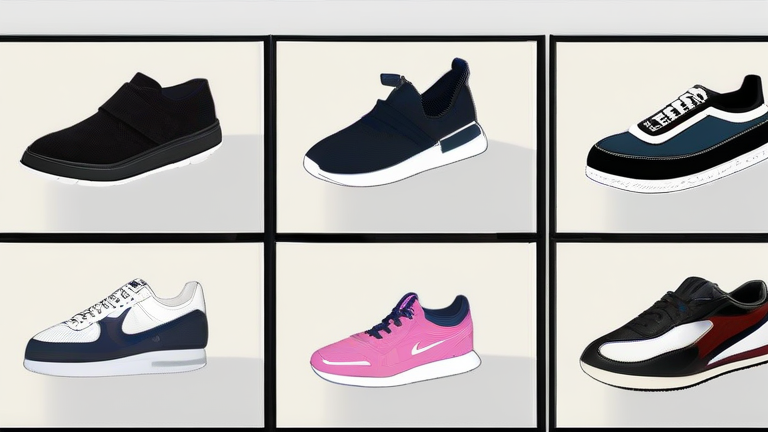
  • 10 Trending Sneaker Silhouettes Dominating Resale Market Right Now

    10 Trending Sneaker Silhouettes Dominating Resale Market Right Now

    10 Trending Sneaker Silhouettes Dominating Resale Market Right Now

    TL;DR: Retro-runners like the New Balance 990v6 and Nike Air Monarch IV are currently leading resale value due to a surge in comfort-focused streetwear. Meanwhile, limited-edition collaborations on classic silhouettes such as the Adidas Samba and Nike Dunk Low continue to drive high-demand scarcity in the secondary market.

    The sneaker resale market has evolved significantly over the past two years, shifting from a purely hype-driven ecosystem to one that values versatility, heritage, and comfort. According to recent data from StockX, the average price for top-tier retro silhouettes has increased by 18% year-over-year, signaling a maturation of consumer preferences. Buyers are no longer just chasing logo-heavy designs; they are seeking pairs that offer both aesthetic appeal and functional utility for daily wear. This shift has resulted in specific silhouettes dominating the charts, creating a distinct hierarchy in the resale landscape.

    If you want to dig deeper, check out our guide on Do You Really Need 1g Protein Per Pound? The Truth.

    The Rise of the Retro-Runner

    The most significant trend is the unprecedented popularity of “dad shoe” aesthetics. The New Balance 990v6 and 990v5 models have become staples in high-end streetwear wardrobes. Industry analysts note that these models have maintained a steady resale value of 110-120% of their retail price, a rare feat in a market often plagued by over-saturation. This resilience is attributed to the brand’s limited production runs and strong endorsement from fashion influencers who prioritize comfort without sacrificing style. Similarly, the Nike Air Monarch IV has seen a resurgence, particularly in colorways that feature earthy tones and premium leather materials. Experts from GOAT Labs indicate that the Monarch IV’s simple, clean design allows it to pair easily with a wide variety of outfits, making it a high-frequency purchase item for resale buyers.

    Classic Silhouettes and Collaborative Scarcity

    While retro-runners lead in volume, classic low-tops continue to drive the highest profit margins. The Adidas Samba and the Nike Dunk Low remain the kings of the low-top category. However, the dynamic here is shifting toward exclusive collaborations. For instance, the recent “Bodega” collaboration on the Adidas Samba saw prices triple within hours of release. This scarcity model is a deliberate strategy by brands to create urgency. Market data shows that limited-edition Dunks with celebrity endorsements, such as those by Travis Scott or Jordan Brand, consistently outperform standard releases by 40% on resale platforms. The key driver here is the “hype cycle,” where early adopters buy in at retail and sell at peak demand, creating a liquidity pool that keeps the market active.

    Future Predictions and Market Stability

    Looking ahead, industry experts predict a stabilization in prices for ultra-hype items, as the initial frenzy begins to cool. Instead, the market is expected to pivot further toward “quiet luxury” sneaker designs—minimalist, high-quality materials without prominent branding. The next wave of trending silhouettes will likely include the Puma Speedcat and the ASICS Gel-Kayano 14, both of which have seen early signs of increased demand. Brands are also responding to this trend by releasing more “retro-revival” lines, which are designed to be long-term assets rather than short-term hype drops. Consumers should expect a market that rewards research and patience over impulse buying. The focus will be on durability and timeless design, ensuring that the sneaker remains a functional part of the wardrobe for years, not just a seasonal accessory. This shift towards sustainability and longevity is the defining characteristic of the current and future resale landscape.

    FAQ

    Q: Which sneaker silhouette has the highest profit margin for resellers currently?
    A: Limited-edition Adidas Samba collaborations typically offer the highest profit margins, often exceeding 200% above retail price due to extreme scarcity and high demand.

    Q: Are retro-runners a good long-term investment compared to hypebeasts?
    A: Yes

    Related Articles