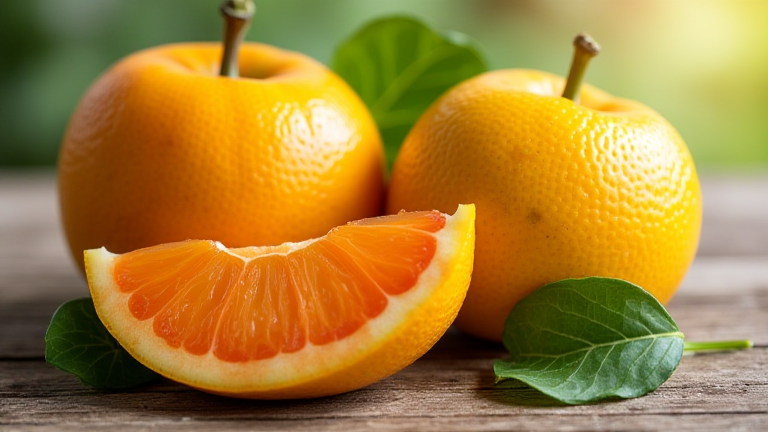
TL;DR: Transform overripe fruit into nutrient-dense smoothies, natural sweeteners, or fermented condiments to prevent waste while maximizing health benefits. These methods preserve essential antioxidants and vitamins that degrade during storage, offering delicious and practical solutions for a zero-waste kitchen.
Why Overripe Fruit is a Treasure Trove
Many people discard fruit as soon as it shows signs of ripening, but this is a missed opportunity. As fruit becomes overripe, its starches convert into sugars, and its cell walls break down, making nutrients more bioavailable. This process increases the concentration of antioxidants, such as polyphenols, which combat oxidative stress in the human body. Instead of throwing away bananas with brown spots or soft strawberries, consider them peak-ripe ingredients. Scientific studies indicate that the peel of overripe bananas contains higher levels of resistant starch, a type of fiber that feeds beneficial gut bacteria. By embracing these changes, you align your diet with sustainability goals while enhancing your nutritional intake without extra cost.
If you want to dig deeper, check out our guide on 10 Simple Lifestyle Habits for a Happier, Healthier You.
10 Smart Ways to Use Overripe Fruit
1. Blend into Smoothies: Overripe bananas act as a natural thickener and sweetener, eliminating the need for added sugar. Combine them with frozen berries for a creamy texture that digests easily.
2. Make Fruit Leather: Puree overripe pears or apples, spread thinly on parchment paper, and dehydrate at low heat. This creates a healthy, preservative-free snack rich in fiber.
3. Create Natural Sweeteners: Cook down overripe mangoes or apricots into a thick paste. This reduces sugar content through concentration and adds complex flavors to oatmeal or yogurt.
4. Ferment into Vinegar: Turn overripe apples or grapes into fruit vinegar. This process produces acetic acid, which has been linked to improved blood sugar regulation and digestion.
5. Bake into Muffins: Mashed overripe bananas are perfect for banana bread or muffins. The moisture content prevents dryness, and the natural sugars enhance browning without added fat.
6. Make Jam or Preserves: Overripe plums or strawberries break down easily, creating a natural pectin gel. Use minimal sugar to maintain their nutritional profile while extending shelf life.
7. Freeze for Later: If you cannot use the fruit immediately, freeze it. Freezing preserves nutrients and makes it ideal for later smoothie consumption or ice cream bases.
8. Add to Compost: If the fruit is moldy or inedible, do not use it for food. Instead, add it to your compost bin. This returns nutrients to the soil, supporting a circular ecosystem.
9. Make Fruit Ice Pops: Blend overripe berries with a splash of coconut water and freeze. This provides a refreshing treat that hydrates and cools without artificial additives.
10. Brew Fruit Tea: Simmer overripe citrus peels or apple cores in water to create a calming herbal tea. This extracts remaining vitamins and provides a soothing ritual for relaxation.
FAQ
Q: Is it safe to eat overripe fruit with brown spots?
A: Yes, if the fruit is not moldy or rotten. Brown spots usually indicate natural ripening and increased antioxidant activity, making it safe and often healthier to consume.
Q: How long can I keep overripe fruit in the refrigerator?
A: Most overripe fruits should be used within two to three days. If they develop mold or an off-putting smell, discard them immediately to avoid potential foodborne illness.
Q: Do overripe fruits have more sugar than fresh ones?
A: Yes, as fruit ripens, starches convert to simple sugars. However, this natural sugar is accompanied by fiber and antioxidants, which mitigate the glycemic impact compared to added refined sugars.
Leave a Reply