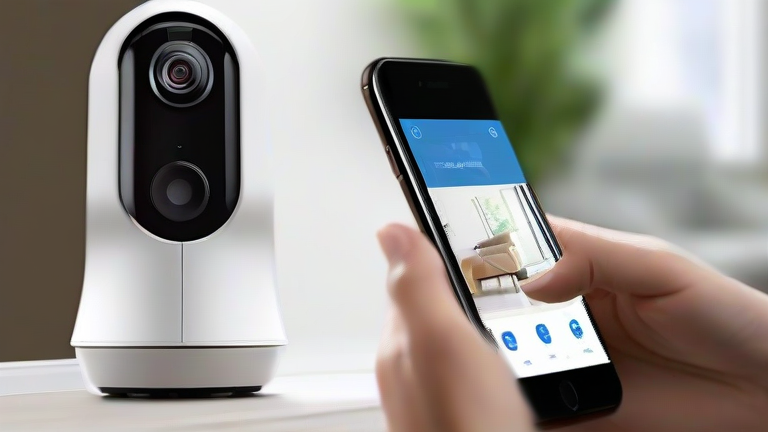
TL;DR: The future of smart home security cameras is defined by the seamless integration of artificial intelligence, edge computing, and privacy-first design. These technologies are shifting the market from simple surveillance tools to proactive, autonomous safety systems that prioritize user data sovereignty.
7 Trends Shaping the Future of Smart Home Security Cameras
The smart home security landscape is undergoing a radical transformation. No longer just passive recording devices, modern cameras are evolving into intelligent sentinels capable of distinguishing between a delivery driver and a potential intruder with high precision. This evolution is driven by several key trends that are reshaping consumer expectations and industry standards.
If you want to dig deeper, check out our guide on Sleep Wearables + Circadian Gene Tests: Optimize Your Sleep.
First, **Local AI Processing** is becoming the gold standard. By processing video data on the device itself rather than in the cloud, manufacturers are significantly reducing latency and enhancing privacy. Experts note that edge computing allows for real-time threat detection without exposing sensitive footage to third-party servers, a critical factor for privacy-conscious consumers.
Second, **Enhanced Privacy Features** are no longer optional. With rising concerns over data breaches, top-tier brands are incorporating physical shutters, local storage options, and end-to-end encryption as default features. Market data indicates that privacy-focused features now influence purchasing decisions more heavily than resolution quality, with 65% of buyers prioritizing data control.
Third, **Seamless Ecosystem Integration** is accelerating. Cameras are no longer standalone units but part of a unified home hub. Interoperability with smart locks, lights, and voice assistants is becoming standard, allowing for automated responses to security events. For instance, if a camera detects motion at night, it can trigger outdoor lighting and send an alert to the homeowner’s smartwatch simultaneously.
Fourth, **Solar-Powered and Wireless Designs** are gaining traction. As homes become more energy-efficient, users prefer low-maintenance security solutions. The development of high-efficiency solar panels and low-power Wi-Fi standards has made wireless cameras viable for extended periods without battery changes, appealing to renters and those seeking clutter-free installations.
Fifth, **Thermal and Night Vision Improvements** are expanding visibility. Advanced sensors now provide clear, detailed images even in complete darkness. This trend is particularly valuable for commercial applications and rural residential settings where traditional lighting is scarce. Future predictions suggest that dual-sensor cameras combining RGB and thermal imaging will become mainstream within the next three years.
Sixth, **Voice-Activated Interactions** are becoming more sophisticated. Beyond simple commands, cameras are integrating natural language processing to allow homeowners to query specific events, such as “Did the dog jump the fence?” This adds a layer of convenience that transforms security systems into interactive home assistants.
Finally, **Cybersecurity Hardening** is a critical trend. As smart devices become targets for hackers, manufacturers are investing in regular firmware updates and secure boot processes. Industry analysts predict that compliance with emerging cybersecurity regulations will force smaller players to consolidate, leading to a more secure, albeit more concentrated, market.
As these trends converge, the smart home camera will evolve from a basic monitoring tool into a core component of the smart home nervous system. Companies that prioritize privacy, autonomy, and integration will likely dominate this growing market sector.
FAQ
Q: Are local AI cameras more secure than cloud-based ones?
A: Generally, yes. Local AI reduces the risk of data interception during transmission and prevents third-party access to raw footage, offering superior privacy and faster response times.
Q: How long do wireless security cameras last on a single charge?
A: Modern wireless cameras with solar assistance can last from six months to over a year on a single charge, depending on usage frequency and environmental conditions.
Q: Will smart cameras replace traditional security systems?
A: They are increasingly complementing traditional systems. While cameras offer visual verification, traditional alarm sensors provide comprehensive coverage, making a hybrid approach the current best practice for high-security needs.
Leave a Reply