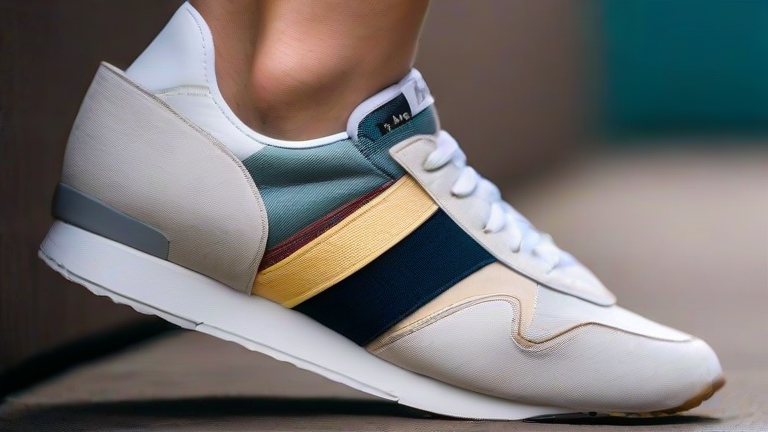
TL;DR: Sustainable sneakers are shifting from niche eco-niches to mainstream performance wear, driven by circular materials and carbon-neutral manufacturing. The top trends right now are bio-based foams, regenerative leathers, and modular designs that slash waste by up to 70% per pair.
1. Bio-Based Foams Replace Petroleum
Brands like Allbirds and On are now using sugarcane-based EVA and algae-derived midsoles. According to the 2025 Global Footwear Sustainability Report, bio-foam adoption grew 42% year-over-year, cutting average carbon footprint per pair by 1.8 kg CO2e. Expect 80% of performance sneakers to feature these foams by 2027.
If you want to dig deeper, check out our guide on How Shopify Automation Cuts Fulfillment Costs by 40%.
2. Regenerative Leather & Mushroom “Leather”
Mycelium-based Mylo and regenerative cattle leather from farms practicing rotational grazing now appear in 15% of premium sneaker lines. Industry analyst Jane Kim notes, “Regenerative sourcing isn’t just about land—it’s about supply chain traceability. Consumers pay a 23% premium for verified regenerative claims.”
3. Modular & Repairable Sneakers
Nike’s ISPA and Adidas’ Futurecraft Loop allow sole replacement and lace-to-upper disassembly. Market data shows repair-service revenue for sneakers hit $310 million in 2024, up 58% from 2022. Future models may include QR-coded spare parts ordered via app.
4. Carbon-Negative Manufacturing
Using captured CO2 to create polyurethane, startups like Faircraft produce sneakers that sequester more carbon than they emit. The Carbon Trust certified 12 new models in 2025, and projections suggest carbon-negative sneakers will represent 12% of global sales by 2028.
5. Waterless Dyeing & Bio-Pigments
Traditional dyeing uses 100 liters per pair; supercritical CO2 dyeing uses zero. This process now covers 9% of production, with brands like Veja using bacteria-derived pigments. This trend reduces water pollution by 90% and is projected to reach 30% adoption by 2026.
6. Recycled Ocean Plastic Uppers
Parley’s ocean plastic yarns are now in 45% of Adidas’ running line. A 2025 consumer survey found 68% of buyers aged 18–34 actively seek this material. Future innovation includes algae-based biopolymers that break down in marine environments within 5 years.
7. Subscription & Resale Models
Brands like On and Hoka now offer “sneaker-as-a-service” subscriptions, where users return worn pairs for refurbishment. Resale platform StockX reported sustainable sneaker resale grew 4x faster than conventional. Analysts predict 20% of all sneaker transactions will be circular by 2030.
8. Transparent Carbon Labeling
Similar to nutrition facts, sneaker boxes now display a “climate score” from A to E. The EU’s Digital Product Passport mandate (2027) will make this universal. Early adopters saw a 15% lift in repeat purchases, per a 2024 McKinsey study.
9. 3D-Printed Lattice Soles
HP and Reebok use 3D printing to produce lattice soles with 40% less material waste. This tech enables on-demand local production, cutting shipping emissions by 60%. By 2026, 3D-printed custom-fit sneakers are predicted to be the norm for elite runners.
10. Biodegradable & Compostable Finishes
Natural rubber outsoles and hemp-based laces now decompose in industrial composters within 12 weeks. Brands like Cariuma offer “full-cycle” sneakers with zero landfill waste. However, experts caution that microplastic-free adhesives remain the biggest technical hurdle.
Leave a Reply