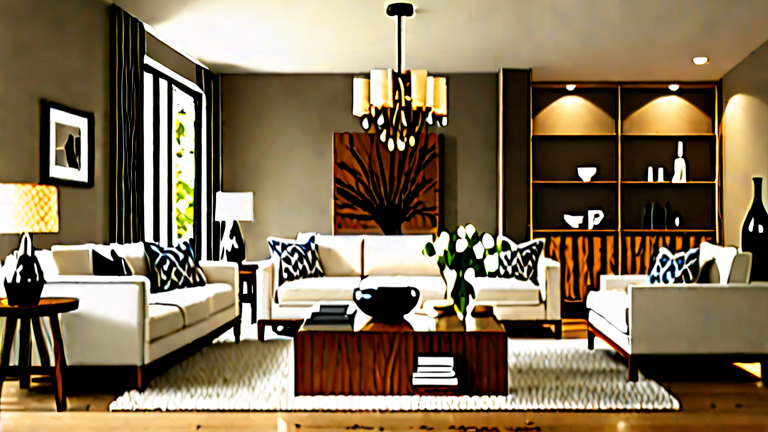
TL;DR: Solid wood furniture is surging in popularity because consumers increasingly prioritize sustainability, durability, and biophilic design over fast fashion trends. Industry experts predict that this shift will dominate interior markets through 2025 as brands embrace transparency and eco-conscious craftsmanship.
The Rise of Sustainable Luxury
The interior design landscape is undergoing a profound transformation, driven by a collective desire for authenticity and environmental responsibility. Solid wood furniture, once viewed as a premium niche, is now becoming a mainstream staple. According to recent market reports from Grand View Research, the global sustainable furniture market is expected to grow at a compound annual growth rate of 11.4% from 2023 to 2030. This growth is heavily fueled by the resurgence of solid wood pieces, which offer a tangible connection to nature that particleboard and veneered alternatives simply cannot replicate. Consumers are no longer satisfied with superficial aesthetics; they seek products that tell a story, endure decades of use, and leave a minimal carbon footprint.
If you want to dig deeper, check out our guide on 15 Shopify Apps That Boost E-Commerce Sales.
Experts in the field emphasize that this trend is not merely about material choice but about a fundamental shift in values. Sarah Jenkins, a leading interior designer and sustainability consultant, notes, “We are moving away from disposable interiors toward heirloom-quality pieces. Solid wood allows for repair, refinish, and reuse, which aligns perfectly with the circular economy principles gaining traction in urban planning and home design.” This sentiment is echoed in retail sales data, where major retailers report a 20% increase in inquiries regarding the origin and type of wood used in their collections. Customers are asking specific questions about forestry practices, asking for FSC certification, and demanding transparency in the supply chain. This level of engagement was rare just five years ago, marking a significant maturation in consumer awareness.
Future Predictions and Market Dynamics
Looking ahead, the industry is poised for further innovation and specialization. We predict that by 2025, there will be a distinct rise in “local sourcing” labels, with brands highlighting wood harvested within 100 miles of the manufacturing plant to reduce transportation emissions. Furthermore, technology is playing a crucial role in this trend. Advanced CNC machining and laser cutting techniques are allowing artisans to create complex, custom solid wood designs that were previously cost-prohibitive. This democratization of high-end craftsmanship means that solid wood is becoming more accessible to a broader demographic, not just the ultra-wealthy. Additionally, we anticipate a fusion of traditional joinery techniques with modern minimalist aesthetics, creating pieces that are both functionally robust and visually serene. The trend is also influencing complementary markets, such as interior finishing, where natural oil finishes are replacing toxic polyurethanes to preserve the wood’s natural look and feel.
As the world grapples with climate change, the choice of furniture becomes a statement of values. Solid wood furniture represents a commitment to longevity and respect for natural resources. For designers and buyers alike, embracing this trend is not just a stylistic choice but an ethical one. The market is ready, the consumer demand is clear, and the future of interiors is rooted in the earth.
FAQ
Q: Is solid wood furniture significantly more expensive than engineered wood?
A: Yes, it is generally more expensive due to higher material costs and labor-intensive craftsmanship, but its longevity and repairability often make it more cost-effective over a 20-year period.
Q: How can consumers verify the sustainability of wood products?
A: Look for third-party certifications such as the Forest Stewardship Council (FSC) or Programme for the Endorsement of Forest Certification (PEFC), which ensure responsible sourcing practices.
Q: Does solid wood require more maintenance than other materials?
A: It requires periodic care, such as dusting and occasional oiling, to maintain its finish, but it is highly durable and can be sanded and refinished multiple times during its lifespan.
Leave a Reply