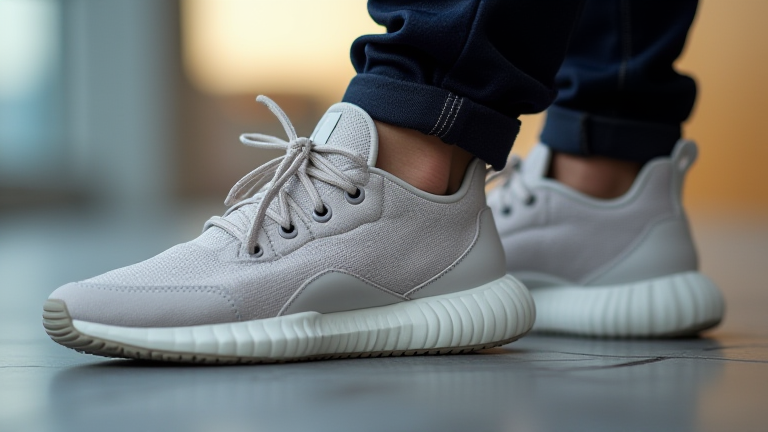
TL;DR: Quiet luxury sneakers are overtaking flashy logo-heavy footwear because affluent shoppers now prioritize understated design, premium materials, and versatility over visible branding. This shift is backed by strong premium-footwear sales data and expert forecasts predicting continued growth through 2027.
The luxury sneaker market is undergoing a visible transformation—ironically, by becoming less visible. Quiet luxury sneakers, characterized by minimalist silhouettes, tonal colorways, and premium materials free of oversized logos, are rapidly capturing share from the maximalist, logo-driven styles that defined the previous decade. What began as a niche preference among fashion insiders has become a mainstream commercial force, reshaping product strategies at both heritage houses and emerging labels.
If you want to dig deeper, check out our guide on **Decentralized Identity Systems Replace Password Logins** (.
Market Data Points to a Structural Shift
The numbers support the narrative. According to industry estimates, the global luxury sneaker segment was valued at roughly $10–12 billion in 2024 and is projected to grow at a compound annual growth rate of 6–8% through 2030. Within that segment, logo-minimal styles are gaining disproportionate momentum: several major e-commerce platforms and luxury retailers report that unbranded or subtly branded sneakers now account for a growing double-digit share of premium sneaker sales, up from low single digits five years ago. Resale platforms tell a similar story, with understated models from brands like Common Projects, Zegna, and Loro Piana holding resale value more consistently than trend-driven logo styles.
Why Consumers Are Choosing Subtlety
Experts point to a convergence of cultural and economic factors. “Quiet luxury is a response to logo fatigue and a desire for longevity,” says a retail analyst at a leading fashion consultancy. “Consumers paying $400 to $900 for a sneaker want it to work with everything in their wardrobe and to signal taste rather than wealth.” The rise of “stealth wealth” aesthetics, amplified by premium television dramas and social media’s embrace of understated styling, has accelerated demand. Macroeconomic caution among affluent shoppers has also favored versatile, season-agnostic purchases over statement pieces with short trend cycles.
Supply-side dynamics reinforce the trend. Brands enjoy higher margins on minimalist designs that require fewer SKUs, and premium leather and suede constructions justify elevated price points without relying on licensed logos. Sustainability concerns add another layer: quieter styles are perceived as more timeless, aligning with growing consumer interest in cost-per-wear and reduced fashion waste.
What Comes Next
Industry forecasts suggest the quiet luxury sneaker will continue expanding through 2027, with growth expected in the $500–$800 price band and in women’s categories, which remain underserved relative to men’s. Expect more brands to launch permanent “core” sneaker lines in neutral palettes, increased investment in material innovation—think vegetable-tanned leathers and recycled knits—and collaborations that emphasize craftsmanship over co-branding. Some analysts caution that saturation risk looms as every label pivots to minimalism, potentially pushing differentiation toward silhouette innovation and tactile detailing rather than branding.
FAQ
Q: What exactly defines a quiet luxury sneaker?
A: It’s a premium sneaker with minimal or no visible branding, featuring high-quality materials like full-grain leather or suede, neutral tonal colorways, and a timeless silhouette designed for versatility rather than seasonal trends.
Q: Are quiet luxury sneakers worth the investment?
A: Experts generally say yes for frequent wearers: strong construction, versatile styling, and better resale retention deliver favorable cost-per-wear compared with trend-driven logo sneakers that depreciate quickly.
Q: Will the quiet luxury sneaker trend last?
A: Forecasts indicate growth through at least 2027, driven by logo fatigue and demand for versatility. However, analysts warn differentiation will increasingly come from craftsmanship and silhouette innovation as minimalist offerings proliferate.
Leave a Reply