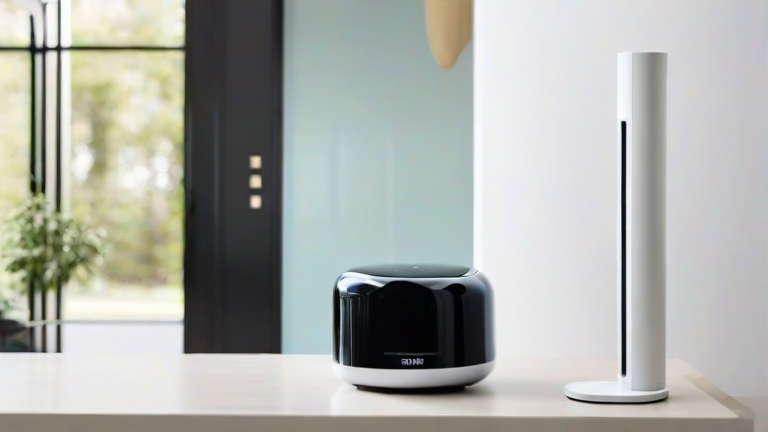
TL;DR: Smart home devices that work offline—such as local-hub sensors, Zigbee/Z-Wave switches, and on-device AI cameras—process data within the home instead of the cloud, keeping personal information private while maintaining core automation. They suit privacy-conscious households willing to trade some remote convenience for data sovereignty and resilience during internet outages.
Market Analysis
The global smart home market continues to expand, yet a measurable segment of buyers now prioritizes data sovereignty over cloud convenience. Consumer surveys consistently show that privacy concerns rank among the top barriers to adoption, particularly for cameras and voice assistants. This has created a distinct “local-first” niche: vendors selling hubs, sensors, and appliances that function without a persistent internet connection. Growth in this segment is outpacing the broader category, driven by regulatory pressure such as GDPR and state-level privacy laws, plus growing awareness of cloud breaches. Retailers report that “works offline” has shifted from a technical footnote to a headline selling point, especially in Europe and North America.
If you want to dig deeper, check out our guide on 10 Simple Lifestyle Hacks for a Happier, Healthier Life.
Strategy Insights
Vendors targeting this segment should lead with verifiable claims. “Local processing” must be demonstrable—through open protocols, published data-flow diagrams, or third-party audits—or it reads as marketing noise. Second, design for graceful degradation: automations, schedules, and device-to-device links should survive a router outage. Third, embrace interoperability. Supporting Matter, Zigbee, or Z-Wave lowers switching costs and builds trust with technically literate buyers who influence household purchases. Finally, price the privacy premium carefully. Offline capability is a feature, not a license for steep markups; the value story is resilience and control, not exclusivity.
Case Studies
Local-hub lighting: A mid-sized manufacturer relaunched its lighting line around a hub that stores schedules and scenes on-device. After an ISP outage in a test neighborhood, cloud-dependent competitors went dark while these homes kept their routines. Returns fell and repeat purchases rose, showing that reliability is a privacy feature customers can feel.
On-device camera analytics: A security-camera maker moved person-detection from the cloud to the camera itself. Alerts now fire without uploading footage, cutting bandwidth costs and easing customer anxiety about stored video. Subscription churn dropped because the core value no longer depended on a paid cloud tier.
Offline voice control: A thermostat vendor added a small local vocabulary processor so users can adjust temperature without sending audio to a server. The feature became the product’s most-cited review highlight, proving that narrow, reliable offline commands beat broad but cloud-tethered assistants for privacy-first buyers.
FAQ
Q: Do offline smart home devices lose all features without internet?
A: They retain core functions like schedules, sensors, and local automations; only remote access and cloud integrations typically pause until connectivity returns.
Q: Are local-first devices more expensive?
A: Some carry a modest premium for onboard processing, but many offset it by eliminating subscription fees and reducing cloud infrastructure costs.
Q: How can buyers verify a device truly works offline?
A: Check for open protocols like Matter or Zigbee, look for published data-flow documentation, and test by disconnecting the router during a return window.
Leave a Reply