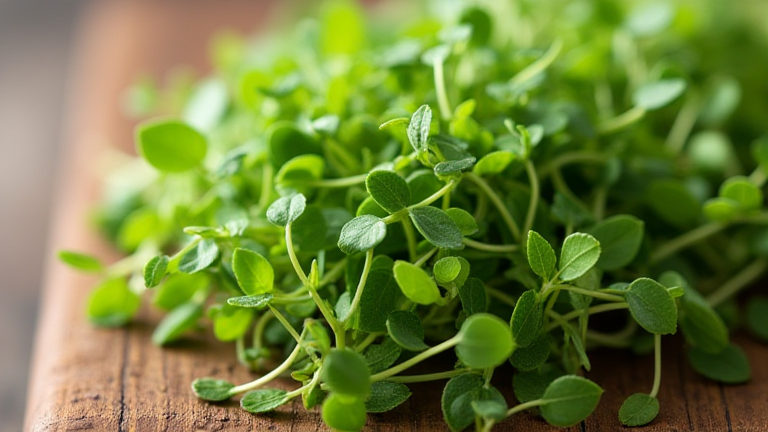
TL;DR: The FDA has issued a nationwide recall for specific batches of alfalfa sprouts due to confirmed E. coli contamination, urging consumers to discard any remaining product immediately. While the outbreak has sickened dozens, adhering to strict food safety protocols and considering pasteurization can significantly reduce your risk of foodborne illness.
Understanding the Risk
Alfalfa sprouts have historically been among the most frequently recalled produce items in the United States. Unlike many other vegetables, sprouts are grown in warm, humid conditions that are ideal for bacterial growth, including dangerous strains like E. coli O157:H7. The FDA’s current investigation highlights a critical gap in consumer awareness regarding how sprouts are cultivated and handled. According to the Centers for Disease Control and Prevention (CDC), even a small number of E. coli bacteria can cause severe illness, particularly in young children, the elderly, and immunocompromised individuals. Symptoms often include severe diarrhea, abdominal cramps, and vomiting, which can appear within three to four days of consumption. It is crucial to recognize that you cannot see, smell, or taste E. coli on food, making visual inspection useless for determining safety.
If you want to dig deeper, check out our guide on Are AI Coding Tools Addictive? 80% of Devs Say Yes.
Safety First: Prevention Strategies
Given the inherent risks associated with raw sprouts, the safest advice from health experts is simple: do not eat raw sprouts. However, if you enjoy their nutritional profile, you can mitigate risks through proper preparation. Boiling sprouts for at least one minute kills most pathogens, including E. coli and Salmonella. This method preserves the majority of the nutritional value while ensuring safety. Additionally, maintain strict hygiene in your kitchen. Wash your hands thoroughly with soap and water for at least twenty seconds before and after handling food. Use separate cutting boards for raw produce and raw meats to prevent cross-contamination. Always keep your refrigerator at or below 40°F to slow bacterial growth. If you are in a vulnerable demographic, such as having a compromised immune system, it is advisable to avoid raw sprouts entirely and opt for cooked leafy greens or other low-risk vegetables instead.
FAQ
Q: Can I still eat sprouts from a different brand?
A: Only if the specific brand and lot number listed in the recall notice do not match your product. Check the packaging carefully against the official FDA list.
Q: Is cooking sprouts safe for E. coli?
A: Yes, heating sprouts to an internal temperature of 165°F (74°C) or boiling them for one minute effectively kills harmful bacteria.
Q: What should I do if I feel sick after eating recalled sprouts?
A: Contact a healthcare provider immediately and inform them of the potential E. coli exposure so they can monitor for complications like hemolytic uremic syndrome.
Leave a Reply