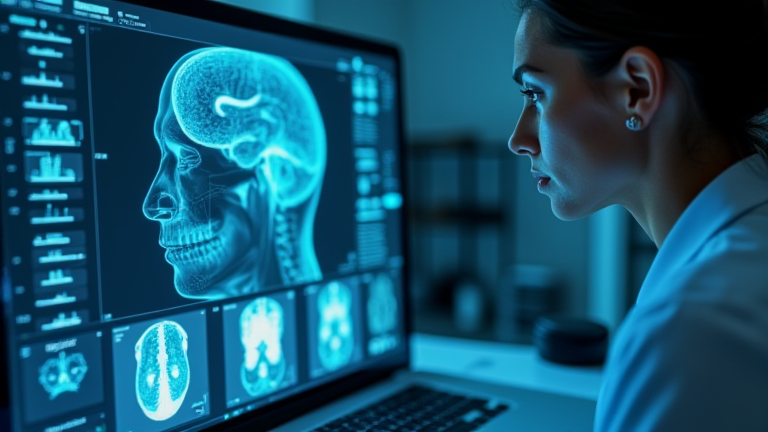
TL;DR: No, at-home AI diagnostics cannot replace your doctor, but they can replace the anxiety-filled waiting room for routine triage and lifestyle tracking. Think of them as a brilliant co-pilot for your health, not the pilot—your doctor remains the only one qualified to interpret, contextualize, and act on complex medical data.
The Souvenir Shop of Self-Diagnosis
I was in a cramped hostel in Lisbon, nursing a fever that felt like a hangover from a very bad Fado night, when I first tried an AI symptom checker. My phone asked about my temperature, my throat, and my travel history. Within minutes, it suggested “viral pharyngitis” and recommended rest and fluids. It was reassuring, yes, but also eerily generic—like a postcard that said “Wish you were here” without ever showing the view. That’s the core of the at-home AI diagnostic boom: it gives you a snapshot, but not the story. And our health, like any great travel memoir, is all about context.
If you want to dig deeper, check out our guide on Generative AI Video: The End of Traditional Storyboards.
From Jet Lag to Genetic Lag
My personal growth angle came after that trip. I bought a smartwatch that tracked my heart rate variability, sleep stages, and even blood oxygen. At home, I also used an AI-powered urine test strip for hydration and a skin scanner app for a suspicious mole. The results were fascinating—and occasionally panic-inducing. One morning, the watch flagged an “irregular rhythm.” I spent two hours doom-scrolling before realizing I’d slept with my arm bent under my head. The AI had no way of knowing my poor pillow posture. That’s the problem: algorithms are brilliant at pattern recognition but terrible at understanding your life’s texture—your stress, your diet, your grandmother’s history of benign palpitations.
Cultural Shift: The Wellness Bazaar
In many cultures, health is communal—you bring a soup to a sick neighbor, you ask your aunt about her knee surgery. At-home AI diagnostics fit perfectly into the Western “wellness bazaar” culture, where we buy gadgets like we buy spices: turmeric for inflammation, a pulse oximeter for peace of mind. But this bazaar lacks a chef. A doctor is that chef, tasting the whole dish, not just the salt. They can say, “Your AI says you’re low on iron, but you’re also on blood thinners, so let’s adjust that.” No algorithm can weigh competing risks with empathy. And travel taught me that empathy is the ultimate diagnostic tool—a doctor who knows you’re anxious about flying will interpret that chest tightness differently than one who doesn’t.
The Verdict: Better Triage, Not Better Doctors
So, can they replace your doctor? Only if you also replace your passport with a map app. At-home AI diagnostics are excellent for pre-screening—catching a UTI early, tracking glucose trends, or reminding you to hydrate on a long hike. They are terrible for final diagnosis, especially for rare conditions or overlapping symptoms. The real personal growth lesson is humility: we want a quick answer, but health is a long conversation. Use AI to prepare better questions for your physician, not to skip the appointment. Your doctor’s superpower isn’t data—it’s judgment, honed by years of seeing how bodies fail and heal in real life, not in a cloud.
FAQ
Q: Can at-home AI diagnostics detect cancer or serious heart conditions?
A: They can flag potential red flags (like irregular heart rhythms or mole changes) that warrant a doctor’s visit, but they cannot biopsy, image, or stage disease. False positives and negatives are common, so any serious suspicion requires in-person testing.
Q: Are these tools safe for managing chronic conditions like diabetes?
A: Yes, as a supplement—AI glucose monitors and diet trackers help you see patterns between meals and blood sugar. But medication adjustments, insulin dosing, and complication screening must remain under a physician’s supervision
Leave a Reply