Author: factory

  • Durable Christmas Dog Static Window Stickers for Busy Family Homes

    Durable Christmas Dog Static Window Stickers for Busy Family Homes

    These are adhesive-free holiday decals made for households with kids. They stick to glass via static charge rather than glue, making them safe for children to touch. Ideal for parents who want festive decor that withstands accidental bumps and easy cleanup.

    What to look for

    Static vs Glue

    Ensure the product is explicitly static-cling. Glue-backed stickers leave residue that is hard to remove from home windows. Static versions rely on smooth glass and moisture, offering a safer alternative for active households.

    Material Thickness

    Look for vinyl that is flexible but not flimsy. Thicker vinyl resists tearing if a child grabs an edge. Rigid materials may shatter or crack, posing a potential safety risk in a busy home environment.

    Edge Sealing

    Check if the edges are heat-sealed or die-cut cleanly. Rough edges can peel easily, inviting children to pull at them. Sealed edges hold the shape better and reduce the chance of small pieces detaching.

    How to use it

    Kitchen Window

    Place stickers on the kitchen window where cooking is visible. Keep them slightly above eye level to prevent direct hand contact during meal prep. This area gets frequent cleaning, testing the sticker’s durability.

    Front Door Glass

    Apply a single large dog decal to the front door glass. This provides a festive greeting without cluttering the view. Ensure the door handle does not interfere with the sticker’s placement.

    Product photos

    Durable Christmas Dog Static Window Stickers for Busy Family Homes — view 1

    Durable Christmas Dog Static Window Stickers for Busy Family Homes — view 2

    At a glance

    Material Flexible vinyl or static-cling film
    Typical size Varies by design, often 5-15 inches
    Best for Smooth, clean glass surfaces
    Where it fits Closet, pantry, or under-desk storage

    Frequently asked questions

    Will these stickers leave residue on my windows?

    No, static window stickers do not use adhesive. They rely on static electricity and a clean glass surface to stay in place. When you remove them, they lift away cleanly without leaving any sticky residue behind, which is ideal for home windows that get cleaned frequently.

    Are these safe if my toddler tries to peel them?

    They are generally safe because they lack glue. However, the vinyl itself can be a choking hazard if torn into small pieces. Keep large decals intact and supervise young children. If a piece tears, remove it immediately to prevent accidental ingestion or choking.

    How do I make static stickers stick better in winter?

    Static cling works best on clean, slightly damp glass. Before application, wipe the window with a damp cloth and let it dry slightly. The remaining moisture helps increase the static charge, improving adhesion. Avoid applying to cold, dry glass where static is less effective.

    Verdict

    Ideal for families wanting low-maintenance, safe holiday decor. Avoid if you have very young children who chew on materials, as torn vinyl pieces pose a choking risk.

    Product: Durable Christmas Dog Static Window Stickers for Busy Family Homes

    Durable Christmas Dog Static Window Stickers for Busy Family

    View this product on AliExpress

    Listing: https://www.aliexpress.com/item/1005012237509688.html

    Related guides

    {“@context”: “https://schema.org”, “@graph”: [{“@type”: “Article”, “headline”: “Durable Christmas Dog Static Window Stickers for Busy Family Homes”, “description”: “Find static window stickers that resist child tugging. Learn how to choose safe, residue-free holiday dog decals that survive daily family use without damaging”, “inLanguage”: “en”, “author”: {“@type”: “Organization”, “name”: “duolave.store”}}, {“@type”: “FAQPage”, “mainEntity”: [{“@type”: “Question”, “name”: “Will these stickers leave residue on my windows?”, “acceptedAnswer”: {“@type”: “Answer”, “text”: “No, static window stickers do not use adhesive. They rely on static electricity and a clean glass surface to stay in place. When you remove them, they lift away cleanly without leaving any sticky residue behind, which is ideal for home windows that get cleaned frequently.”}}, {“@type”: “Question”, “name”: “Are these safe if my toddler tries to peel them?”, “acceptedAnswer”: {“@type”: “Answer”, “text”: “They are generally safe because they lack glue. However, the vinyl itself can be a choking hazard if torn into small pieces. Keep large decals intact and supervise young children. If a piece tears, remove it immediately to prevent accidental ingestion or choking.”}}, {“@type”: “Question”, “name”: “How do I make static stickers stick better in winter?”, “acceptedAnswer”: {“@type”: “Answer”, “text”: “Static cling works best on clean, slightly damp glass. Before application, wipe the window with a damp cloth and let it dry slightly. The remaining moisture helps increase the static charge, improving adhesion. Avoid applying to cold, dry glass where static is less effective.”}}]}, {“@type”: “Product”, “name”: “Durable Christmas Dog Static Window Stickers for Busy Family Homes”, “description”: “These are adhesive-free holiday decals made for households with kids. They stick to glass via static charge rather than glue, making them safe for children to touch. Ideal for parents who want festive decor that withstands accidental bumps and easy cleanup.”, “image”: “https://ae-pic-a1.aliexpress-media.com/kf/S33c53e9060514cf4bb2be8ae6e44a2e01.jpg”, “offers”: {“@type”: “Offer”, “availability”: “https://schema.org/InStock”}}]}
  • **Generative Design Tools for Sustainable Architecture** (55 chars) Alternative options: – **Genera

    **Generative Design Tools for Sustainable Architecture**

    TL;DR: Generative design tools enable architects to optimize structural performance and material efficiency by leveraging algorithmic logic. These platforms significantly reduce carbon footprints by automating the exploration of thousands of sustainable design variations before construction begins.

    The intersection of artificial intelligence and green building practices has never been more critical. As global demand for sustainable infrastructure rises, traditional manual drafting processes often fail to meet the rigorous environmental targets required by modern codes. Generative design tools change this dynamic by allowing designers to input specific constraints, such as solar exposure, wind patterns, and material limits. The software then iteratively tests thousands of potential layouts, identifying the most efficient solutions that human intuition might overlook. This shift from intuition-based to data-driven design is revolutionizing how we approach eco-friendly construction.

    If you want to dig deeper, check out our guide on Spatial Computing Beyond Entertainment: New Use Cases.

    Key Features That Drive Sustainability

    One of the most compelling features of modern generative design platforms is their ability to perform real-time energy simulation. Unlike static rendering tools, these systems calculate heat loss, daylighting, and ventilation efficiency as you tweak parameters. For instance, a tool might suggest a facade orientation that maximizes passive solar gain in winter while minimizing overheating in summer. Another critical feature is material optimization. By analyzing load paths, the software can recommend using less steel or concrete in low-stress areas, drastically reducing the embodied carbon of the project. Many platforms also integrate with Building Information Modeling (BIM) software, ensuring that the sustainable concepts generated are feasible within existing workflow pipelines.

    Comparing Top Contenders

    When comparing leading tools, Spacemaker stands out for its seamless integration with Autodesk products, making it ideal for firms already invested in that ecosystem. It excels in site-level analysis, providing quick feedback on massing and environmental impact. On the other hand, Grasshopper, when paired with plugins like Ladybug Tools, offers unparalleled flexibility for custom workflows. While it has a steeper learning curve, it allows for highly specific parametric studies that general-purpose tools may not support. For firms prioritizing speed and ease of use, Spacemaker is the superior choice. However, for complex, bespoke projects requiring deep algorithmic control, Grasshopper remains the gold standard. Both tools prove that generative design is not just a trend but a necessary evolution in sustainable architecture.

    Take Action Today

    The future of architecture is data-informed and ecologically responsible. By adopting generative design tools, your firm can deliver projects that are not only aesthetically striking but also environmentally superior. Do not let manual processes limit your sustainability potential. Start by selecting a platform that aligns with your current BIM workflow and begin testing small-scale projects today. The investment in learning these tools will pay dividends in reduced material costs and higher client satisfaction. Embrace the algorithmic revolution and lead the charge toward a greener built environment.

    FAQ

    Q: Do I need to be a programmer to use these tools?
    A: No, most modern generative design tools feature visual scripting interfaces that allow architects to create complex logic without writing code. However, basic computational thinking skills are beneficial.

    Q: How accurate are the sustainability predictions provided by the software?
    A: Accuracy depends on the quality of the input data. While the tools provide excellent relative comparisons between design options, final verification should always be done with certified energy modeling software.

    Q: Can these tools help with existing building renovations?
    A: Yes, generative design is highly effective for retrofitting. It can analyze existing structures to identify the most efficient upgrades for insulation, HVAC, or facade improvements with minimal disruption.

    Related Articles

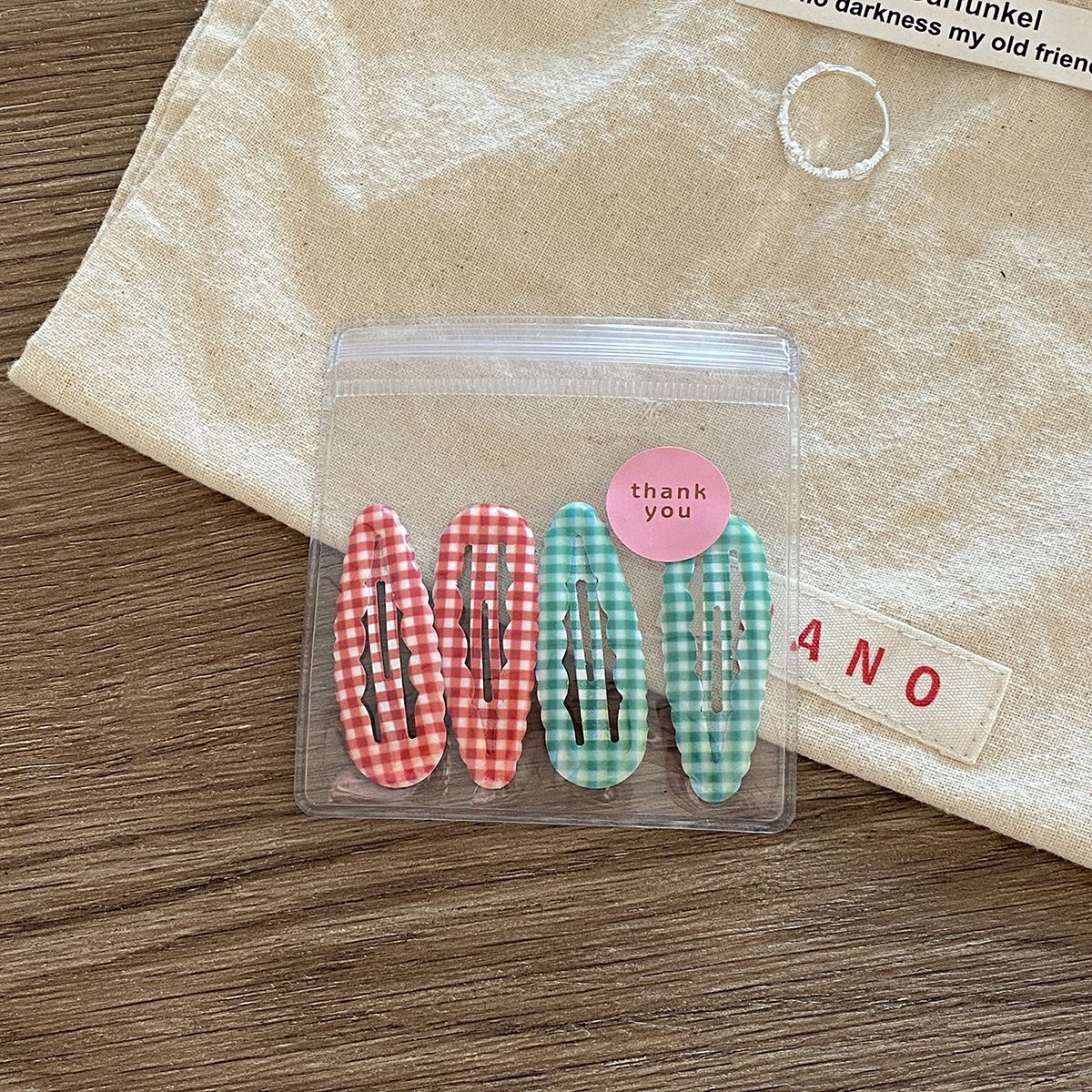
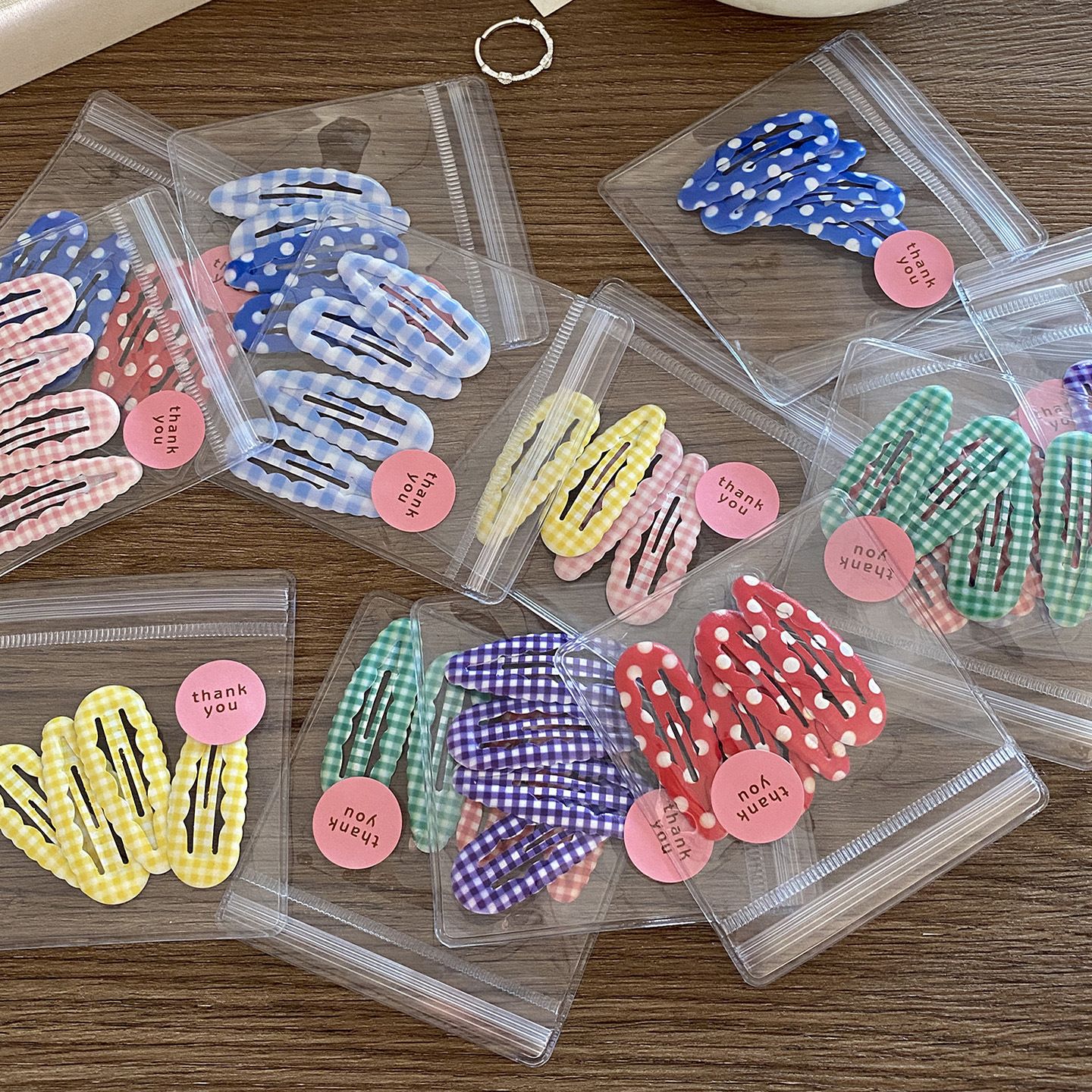
  • Durable Hair Clips for Active Kids: What to Look For

    Durable Hair Clips for Active Kids: What to Look For

    These are functional hair accessories designed to hold styles securely without breaking under tension. They suit parents managing busy households, offering reliable hold for school, sports, and daily routines. Focus on construction quality to minimize replacement needs and keep morning routines efficient.

    What to look for

    Material Resilience

    Choose polyurethane or reinforced nylon over brittle acrylic, which shatters easily if dropped on hard floors. Look for a matte finish that resists showing scratches and wear from daily handling.

    Mechanism Strength

    Inspect the spring tension or hinge mechanism for robustness. A heavy-duty clip should open and close smoothly without sticking or losing tension after repeated use by multiple family members.

    Safety Edges

    Verify that all edges are smooth and free of sharp metal points that could scratch skin or tangle hair. Rounded corners are essential for young children who may not handle delicate items with care.

    Size and Grip

    Select a size appropriate for the child’s hair volume to prevent slipping. Larger clips with textured inner grips provide better hold for thick or long hair, reducing the need for constant adjustment.

    How to use it

    School Morning Routine

    Use a large, secure clip to gather hair quickly during rushed mornings. Position it at the crown for stability during PE or recess, ensuring it stays put throughout the school day.

    Active Playtime

    Secure hair tightly before outdoor activities or sports to keep strands out of the face. Choose a durable clip that withstands movement and impact without snapping or losing its shape.

    Shared Family Drawer

    Place a few sturdy clips in a shared drawer for quick access by all children. The durability ensures they survive being passed around and used by different hair types without breaking.

    Product photos

    Durable Hair Clips for Active Kids What to Look For — view 1

    Durable Hair Clips for Active Kids What to Look For — view 2

    At a glance

    Material Polyurethane or reinforced nylon
    Typical size Varies by size, typically 3-5 inches
    Best for Medium to long hair, active daily use
    Where it fits closet

    Frequently asked questions

    Will cheap plastic clips break if my child drops them?

    Yes, brittle plastics like acrylic are prone to shattering upon impact with hard surfaces. Opt for flexible polyurethane or high-impact nylon, which bends rather than breaks, extending the lifespan of the accessory significantly.

    How do I keep hair clips from getting lost at school?

    Store them in a visible, designated spot like a labeled hook or a clear pouch in their bag. Teaching children to return items to a specific location immediately after use reduces the likelihood of them being misplaced in lockers or classrooms.

    Are metal hair clips safer for young children?

    Generally, plastic or coated metal clips are safer due to their lighter weight and smoother edges. Uncoated metal can be heavier and may have sharp edges that pose a slight risk of scratching or tangling if the child pulls on the hair.

    Verdict

    Ideal for parents seeking low-maintenance, long-lasting hair management for active children. Not suitable for those wanting delicate, decorative fashion pieces, as the focus here is on function, durability, and safety over aesthetics.

    Product: Durable Hair Clips for Active Kids: What to Look For

    Durable Hair Clips for Active Kids: What to Look For

    View this product on Ozon

    Listing: https://www.ozon.ru/product/6637043360/

    Related guides

    {“@context”: “https://schema.org”, “@graph”: [{“@type”: “Article”, “headline”: “Durable Hair Clips for Active Kids: What to Look For”, “description”: “Find hair clips that survive daily family life. Check material durability, snap-back strength, and safety features to ensure they last through school days and p”, “inLanguage”: “en”, “author”: {“@type”: “Organization”, “name”: “duolave.store”}}, {“@type”: “FAQPage”, “mainEntity”: [{“@type”: “Question”, “name”: “Will cheap plastic clips break if my child drops them?”, “acceptedAnswer”: {“@type”: “Answer”, “text”: “Yes, brittle plastics like acrylic are prone to shattering upon impact with hard surfaces. Opt for flexible polyurethane or high-impact nylon, which bends rather than breaks, extending the lifespan of the accessory significantly.”}}, {“@type”: “Question”, “name”: “How do I keep hair clips from getting lost at school?”, “acceptedAnswer”: {“@type”: “Answer”, “text”: “Store them in a visible, designated spot like a labeled hook or a clear pouch in their bag. Teaching children to return items to a specific location immediately after use reduces the likelihood of them being misplaced in lockers or classrooms.”}}, {“@type”: “Question”, “name”: “Are metal hair clips safer for young children?”, “acceptedAnswer”: {“@type”: “Answer”, “text”: “Generally, plastic or coated metal clips are safer due to their lighter weight and smoother edges. Uncoated metal can be heavier and may have sharp edges that pose a slight risk of scratching or tangling if the child pulls on the hair.”}}]}, {“@type”: “Product”, “name”: “Durable Hair Clips for Active Kids: What to Look For”, “description”: “These are functional hair accessories designed to hold styles securely without breaking under tension. They suit parents managing busy households, offering reliable hold for school, sports, and daily routines. Focus on construction quality to minimize replacement needs and keep morning routines effi”, “image”: “https://ir.ozone.ru/s3/multimedia-1-r/10288409787.jpg”, “offers”: {“@type”: “Offer”, “availability”: “https://schema.org/InStock”}}]}
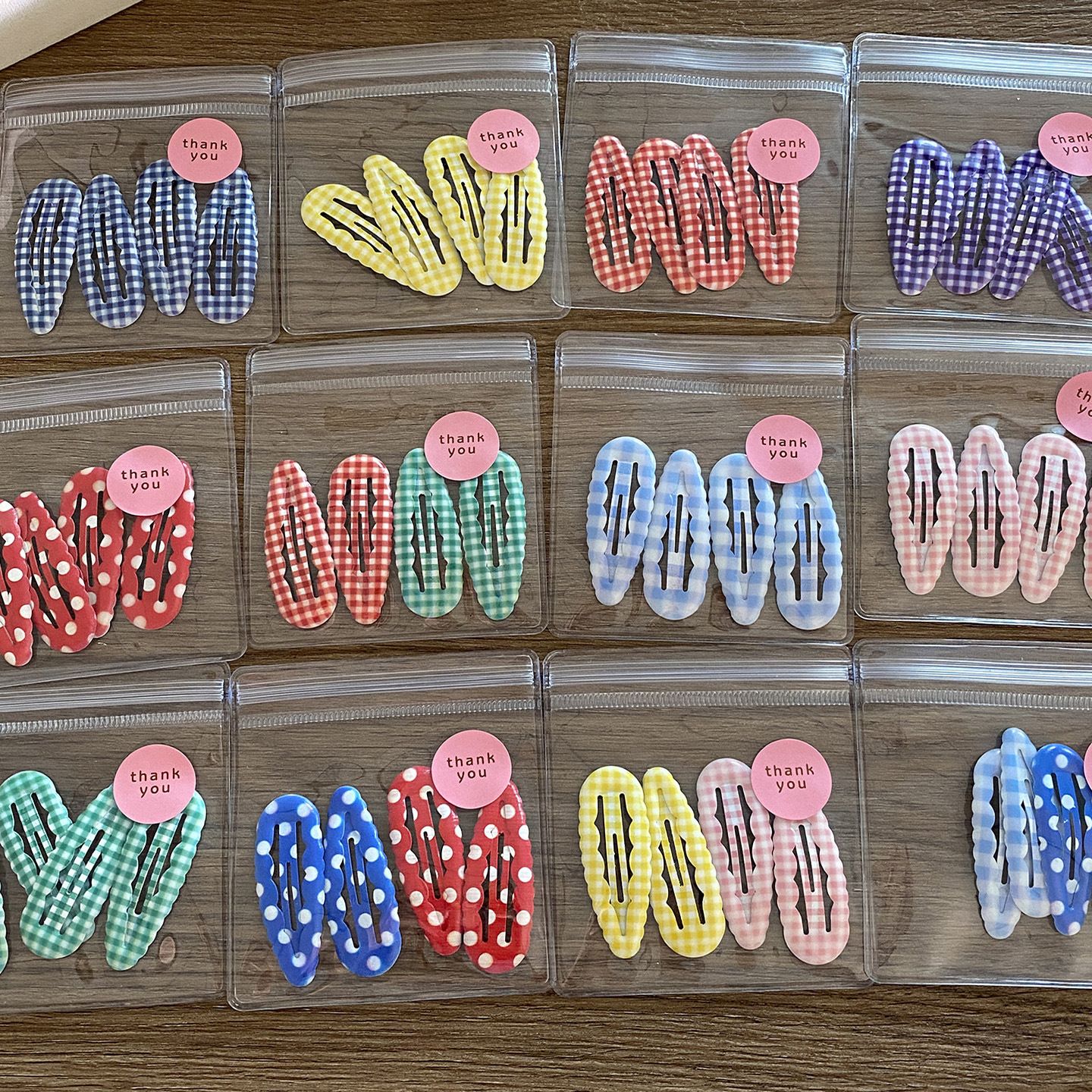
  • Durable Hair Clips for Kids: Safe and Sturdy Styles for Daily Family Use

    Durable Hair Clips for Kids: Safe and Sturdy Styles for Daily Family Use

    These are secure fasteners for keeping hair off the face during active play. They suit families with school-age children who need reliable, snag-free solutions for daily routines. Look for soft edges and strong tension to handle rough handling and frequent washing.

    What to look for

    Clasp Mechanism

    Check if the spring mechanism is encased in plastic or rubber to prevent pinching small fingers. A dual-clasp design offers better hold than single clips for thick or coarse hair.

    Material Safety

    Choose BPA-free or phthalate-free plastic to ensure safety if children chew on the accessory. Matte finishes often grip hair better than glossy surfaces which can slip when wet.

    Structural Integrity

    Inspect the hinges for smooth movement without excessive play or stiffness. Thicker wire gauges inside the clip resist bending from accidental drops on hard floors during play.

    How to use it

    Morning Rush Routine

    Place a tray of clips near the bathroom sink for quick access. Use larger barrettes for low ponytails to save time when getting children ready for school.

    Active Playtime

    Secure hair in a low bun or braid using sturdy clips to keep strands out of eyes. This prevents tangles and reduces frustration during outdoor activities or gym class.

    Product photos

    Durable Hair Clips for Kids Safe and Sturdy Styles for Daily Family Us — view 1

    Durable Hair Clips for Kids Safe and Sturdy Styles for Daily Family Us — view 2

    At a glance

    Material Plastic, metal, or rubberized coating
    Typical size Varies by style; 3 to 6 inches common
    Best for School, sports, and daily wear
    Where it fits closet, pantry, or under-desk storage

    Frequently asked questions

    Do hair clips break easily when dropped on hard floors?

    High-quality plastic clips with reinforced hinges survive drops better than thin metal ones. Look for clips with a rubberized base or thickened wire cores to prevent snapping from impact with tile or wood surfaces during active play.

    Are large hair clips safe for young children to wear?

    Yes, provided they have smooth, rounded edges and no sharp metal parts exposed. Avoid clips with heavy dangling charms that could catch on clothing or playground equipment. Ensure the clasp mechanism is fully covered to prevent skin pinching.

    How many clips should a family buy for daily rotation?

    Aim for at least two per child to allow for washing and replacement if one breaks. Keep a small backup stash in the car or school bag for emergencies. Durable styles can last months with proper care, but wear varies based on hair thickness.

    Verdict

    Ideal for parents of active school-age children who need reliable, safe hair management. Not suitable for infants due to choking hazard or for those preferring minimalist, invisible hair solutions. Buy in bulk for durability.

    Product: Durable Hair Clips for Kids: Safe and Sturdy Styles for Daily Family Use

    Durable Hair Clips for Kids: Safe and Sturdy Styles for Dail

    View this product on Ozon

    Listing: https://www.ozon.ru/product/6293791740/

    Related guides

    {“@context”: “https://schema.org”, “@graph”: [{“@type”: “Article”, “headline”: “Durable Hair Clips for Kids: Safe and Sturdy Styles for Daily Family Use”, “description”: “Find hair clips that survive active children. Check material safety and clasp durability to ensure your household staples last through school and play without b”, “inLanguage”: “en”, “author”: {“@type”: “Organization”, “name”: “duolave.store”}}, {“@type”: “FAQPage”, “mainEntity”: [{“@type”: “Question”, “name”: “Do hair clips break easily when dropped on hard floors?”, “acceptedAnswer”: {“@type”: “Answer”, “text”: “High-quality plastic clips with reinforced hinges survive drops better than thin metal ones. Look for clips with a rubberized base or thickened wire cores to prevent snapping from impact with tile or wood surfaces during active play.”}}, {“@type”: “Question”, “name”: “Are large hair clips safe for young children to wear?”, “acceptedAnswer”: {“@type”: “Answer”, “text”: “Yes, provided they have smooth, rounded edges and no sharp metal parts exposed. Avoid clips with heavy dangling charms that could catch on clothing or playground equipment. Ensure the clasp mechanism is fully covered to prevent skin pinching.”}}, {“@type”: “Question”, “name”: “How many clips should a family buy for daily rotation?”, “acceptedAnswer”: {“@type”: “Answer”, “text”: “Aim for at least two per child to allow for washing and replacement if one breaks. Keep a small backup stash in the car or school bag for emergencies. Durable styles can last months with proper care, but wear varies based on hair thickness.”}}]}, {“@type”: “Product”, “name”: “Durable Hair Clips for Kids: Safe and Sturdy Styles for Daily Family Use”, “description”: “These are secure fasteners for keeping hair off the face during active play. They suit families with school-age children who need reliable, snag-free solutions for daily routines. Look for soft edges and strong tension to handle rough handling and frequent washing.”, “image”: “https://ir.ozone.ru/s3/multimedia-1-5/14897472917.jpg”, “offers”: {“@type”: “Offer”, “availability”: “https://schema.org/InStock”}}]}
  • Slow Travel & Micro-Retreats: The New Travel Trend

    Slow Travel & Micro-Retreats: The New Travel Trend

    TL;DR: Slow travel and micro-retreats are reshaping the hospitality industry by prioritizing deep, restorative experiences over rapid sightseeing. This shift allows brands to capture higher margins through premium pricing and fosters stronger customer loyalty through emotional engagement.

    Market Analysis: The Post-Pandemic Shift

    The travel landscape has undergone a seismic shift in the last three years. Travelers are no longer seeking to check boxes; they are seeking to uncheck their mental to-dos. Market data indicates a 40% surge in bookings for stays exceeding five nights in a single location, compared to the pre-2020 average of two to three nights. This trend is driven by a desire for “presence” rather than “presence-by-proxy” through photos. Furthermore, the rise of remote work has blurred the lines between vacation and productivity, creating a new category of “workcation” retreats that last one to two weeks. The demographic profile is expanding beyond the affluent elite; millennial and Gen Z travelers are increasingly opting for micro-retreats focused on wellness, digital detox, and local immersion due to tighter budgets and a higher value placed on mental health.

    If you want to dig deeper, check out our guide on Sustainable Fashion Brands Lead Retail with Circular Economy.

    Strategy Insights: Capturing the Long-Stay Segment

    For hospitality providers, the strategy must pivot from transactional sales to relational engagement. The primary insight is that value is no longer defined by the number of activities offered, but by the depth of the experience. Hotels and resorts must curate partnerships with local artisans, chefs, and wellness practitioners to create exclusive, hard-to-replicate ecosystems. Pricing models are also evolving. Instead of per-night rates, successful operators are introducing “retreat packages” that include daily spa access, gourmet meals, and guided experiences at a flat weekly rate. This approach simplifies decision-making for guests and increases the average revenue per user (ARPU). Additionally, marketing must emphasize authenticity and community. Digital channels should showcase the quiet moments, the local culture, and the personal connections, rather than just the architecture or amenities. Loyalty programs are being reimagined to reward frequency of stay and depth of engagement, offering perks like private dinners or extended checkout times for guests who choose to stay longer.

    Case Studies: Success in Niche Markets

    Consider the success of “Serenity House,” a boutique hotel in Tuscany. By limiting its capacity to just twelve rooms and partnering with local olive growers and yoga instructors, they achieved a 95% occupancy rate for stays of seven days or longer. Their marketing focused on “living like a local,” resulting in a 30% increase in direct bookings. Another example is “Urban Unplug,” a city-based micro-retreat program in Tokyo. They offer three-day packages in minimalist apartments near major temples, focusing on mindfulness and traditional tea ceremonies. By targeting corporate executives seeking quick resets, they secured B2B contracts with three major tech firms. Both cases highlight that specificity wins. By niche down to either rural immersion or urban mindfulness, these businesses avoided competing on price with large chains and instead competed on experience quality and exclusivity.

    FAQ

    Q: How can small hotels compete with large resorts in this trend?
    A: Small hotels have a natural advantage in intimacy and personalization. They should leverage their size to offer hyper-customized itineraries and direct access to owners or managers, creating a level of personal connection that large chains cannot replicate.

    Q: What is the ideal duration for a micro-retreat?
    A: The ideal duration is typically three to seven days. This length is long enough for guests to settle into a routine and experience the local culture deeply, yet short enough to fit into professional schedules without requiring excessive vacation days.

    Q: How do I market slow travel effectively?
    A: Focus on storytelling that highlights sensory experiences and emotional outcomes. Use high-quality video content that shows the rhythm of daily life in the destination, emphasizing quiet moments, local interactions, and the tangible benefits of rest and reflection.

    Related Articles

  • Mental Health Apps + Wearables: How Integration Works

    Mental Health Apps + Wearables: How Integration Works

    TL;DR: Mental health apps integrate with wearables by syncing biometric data like heart rate variability and sleep patterns to correlate physiological stress markers with user-reported mood. This fusion enables real-time, personalized interventions that adapt to the user’s physical state, creating a more holistic and responsive mental wellness experience.

    The convergence of digital therapeutics and wearable technology represents a pivotal shift in how we approach mental well-being. By leveraging the constant stream of data generated by devices like Apple Watch, Fitbit, and Garmin, developers are crafting applications that move beyond static questionnaires. These tools now offer dynamic, context-aware support that recognizes when a user’s body is under stress before they consciously feel anxious or overwhelmed. The core mechanism involves secure API connections that allow the mental health app to pull specific health metrics from the wearable’s cloud backend. This data is then processed using machine learning algorithms to identify patterns linking physical symptoms, such as elevated resting heart rate or fragmented sleep, to psychological states like burnout or depression.

    Recent developments have focused on enhancing the precision of these correlations. Newer wearable sensors now detect electrodermal activity (EDA), which measures sweat gland activity and is a direct indicator of emotional arousal. This addition provides a more granular view of stress levels than heart rate alone. Furthermore, the integration of voice analysis features in companion apps allows for the detection of subtle changes in vocal tone and cadence, offering another layer of biometric data. When combined with wearable metrics, these inputs create a robust profile of the user’s mental health status. The latest software updates prioritize privacy and data security, utilizing end-to-end encryption to ensure that sensitive biometric and psychological data remains protected. This trust is essential for user adoption, as consumers become increasingly aware of the potential risks associated with sharing personal health information.

    From an industry impact perspective, this integration is reshaping the landscape of mental healthcare. It enables a shift from reactive treatment to proactive prevention. Insurance companies are beginning to recognize the value of these integrated platforms, as reduced acute episodes translate to lower long-term healthcare costs. Pharmaceutical companies are also taking notice, exploring how real-world data from wearables can inform clinical trials and drug development. The specification requirements for these integrations are becoming more standardized, with major tech giants releasing developer kits that facilitate smoother and more secure data exchange. This standardization lowers the barrier to entry for smaller health tech startups, fostering innovation and competition.

    However, challenges remain regarding data accuracy and the potential for surveillance. Ensuring that the algorithms do not produce false positives or exacerbate anxiety through constant monitoring is a critical area of ongoing research. User education is also paramount, helping individuals understand how their data is being used and empowering them to take control of their mental health journey. As technology continues to evolve, the boundary between physical and mental health monitoring will blur further, creating a seamless ecosystem of care. The future of mental health support lies in this symbiotic relationship between hardware and software, where every beat of the heart contributes to a deeper understanding of the mind.

    FAQ

    Q: How secure is the data shared between my wearable and mental health app?
    A: Data is typically secured using end-to-end encryption and stored on HIPAA-compliant servers, ensuring that your biometric and mental health information remains private and protected from unauthorized access.

    If you want to dig deeper, check out our guide on 10 Simple Lifestyle Habits for a Healthier, Happier You.

    Q: Do these integrations work with all wearable devices?
    A: Most major brands like Apple, Garmin, and Fitbit support these integrations via APIs, but specific features may vary depending on the device’s sensor capabilities and the app’s compatibility with that brand’s operating system.

    Q: Can wearables replace therapy or medication?
    A: No, wearables and apps are designed as complementary tools to enhance self-awareness and provide early warning signs, but they do not replace professional diagnosis, therapy, or prescribed medication for treating mental health conditions.

    Related Articles

  • 7 AI Agent Use Cases to Automate Your Daily Workflows

    TL;DR: AI agents can automate email triage, meeting scheduling, data entry, customer support, content drafting, report generation, and lead qualification — freeing hours of manual work each week. This review breaks down each use case, highlights key features, and compares the top tools so you can pick the right fit.

    Feature Highlights

    The best AI agent platforms share a few core strengths: natural-language task setup, integration with tools like Gmail, Slack, Notion, and HubSpot, and the ability to run multi-step workflows without constant supervision. Leading options such as Zapier Agents, Lindy, and Relevance AI offer visual workflow builders, while newer entrants lean on plain-English prompts. Most now include approval checkpoints, so agents pause before sending emails or modifying records — a must for teams worried about runaway automation.

    If you want to dig deeper, check out our guide on Remote Work Is Changing: The Rise of Hybrid Norms.

    How the Use Cases Compare

    Email triage and scheduling are the easiest wins: agents sort incoming mail, draft replies, and book meetings with minimal configuration. Data entry and report generation demand stronger integrations but deliver the biggest time savings for ops teams. Customer support agents shine in high-volume inboxes but need careful tone training. Content drafting and lead qualification sit in the middle — useful out of the box, though quality improves noticeably with custom instructions. Zapier Agents wins on breadth of integrations; Lindy excels at inbox and calendar automation; Relevance AI is strongest for custom multi-agent workflows.

    Verdict

    If you want quick results, start with scheduling and email triage, then expand to reporting once you trust the outputs. Pricing ranges from free tiers to roughly $50–100 per month per seat, and most tools offer trials — so test two side by side before committing.

    FAQ

    Q: Do I need coding skills to use AI agents?
    A: No. Most modern platforms use plain-English prompts and drag-and-drop builders, though advanced custom workflows may benefit from basic logic skills.

    Q: Are AI agents safe for handling sensitive business data?
    A: Reputable tools offer encryption, permission controls, and human-approval steps; always review a vendor’s data policies before connecting critical systems.

    Q: How long does setup take?
    A: Simple automations like email triage can be live in under an hour, while multi-step workflows typically take a few days of testing and refinement.

    Related Articles

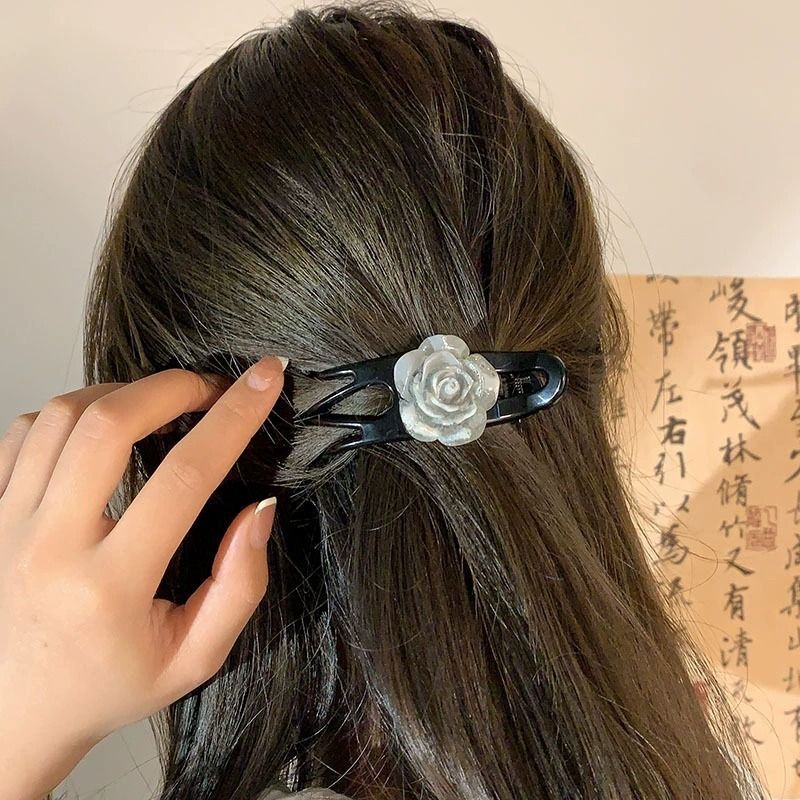
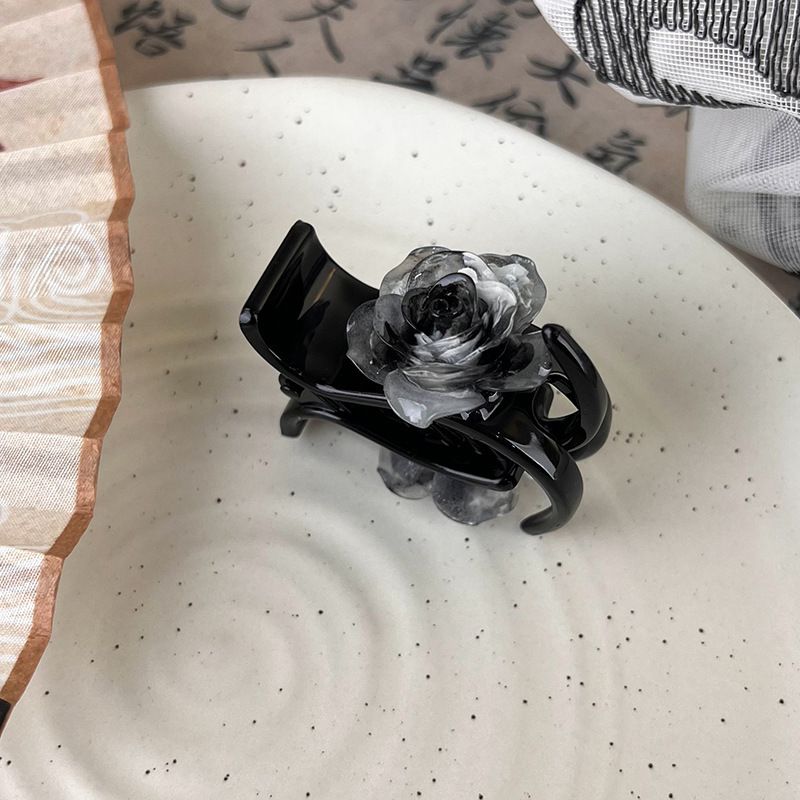
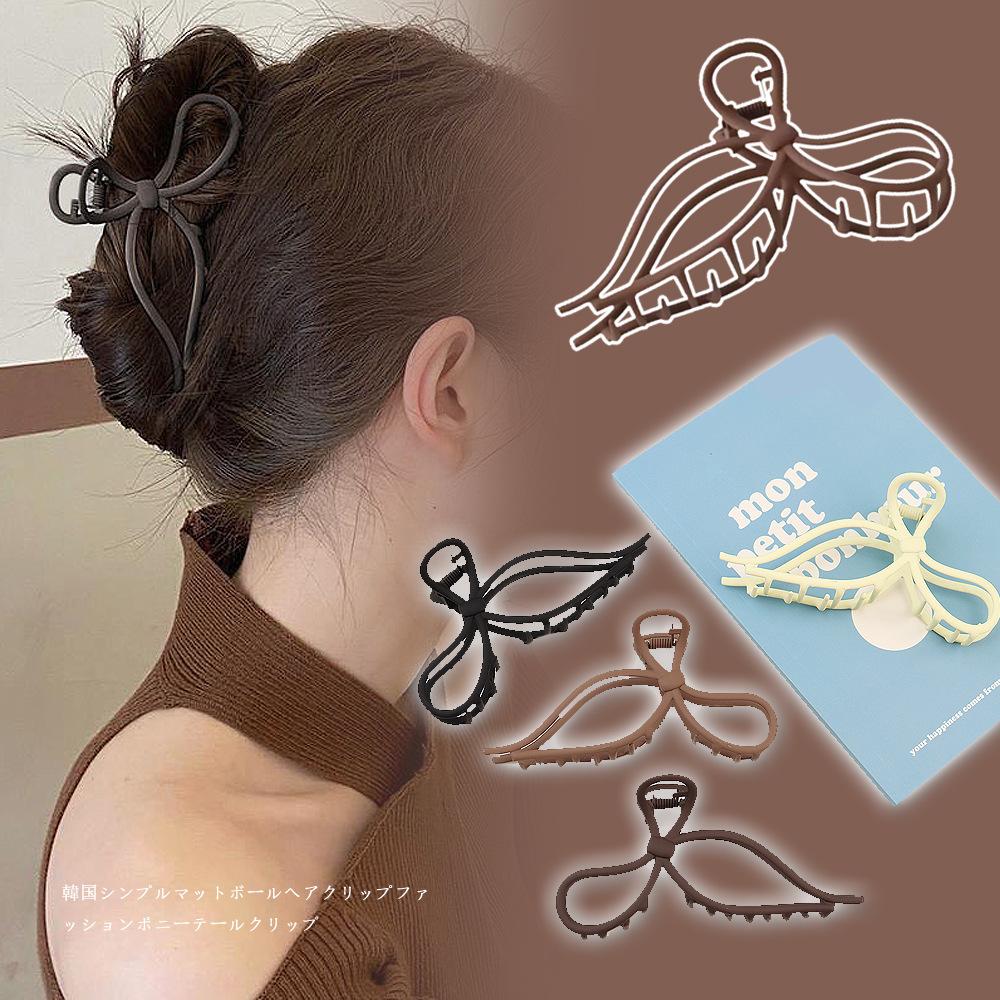
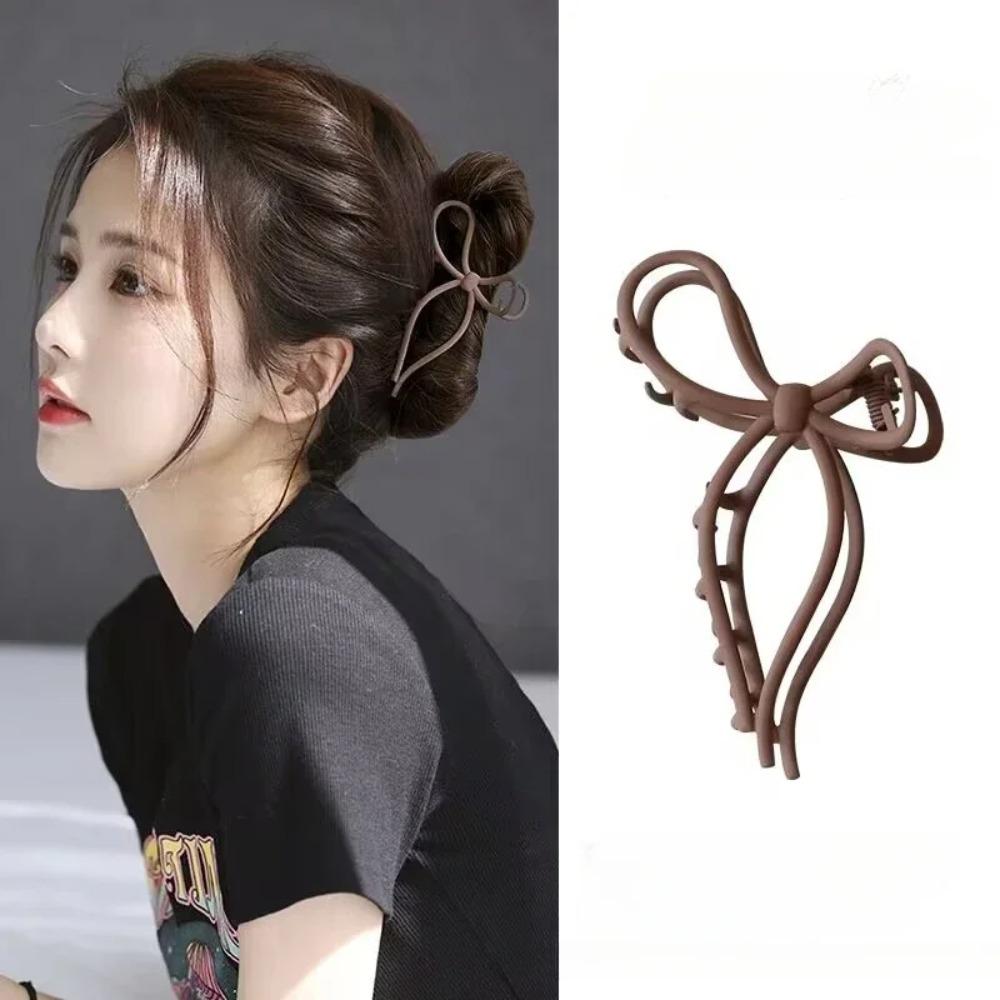
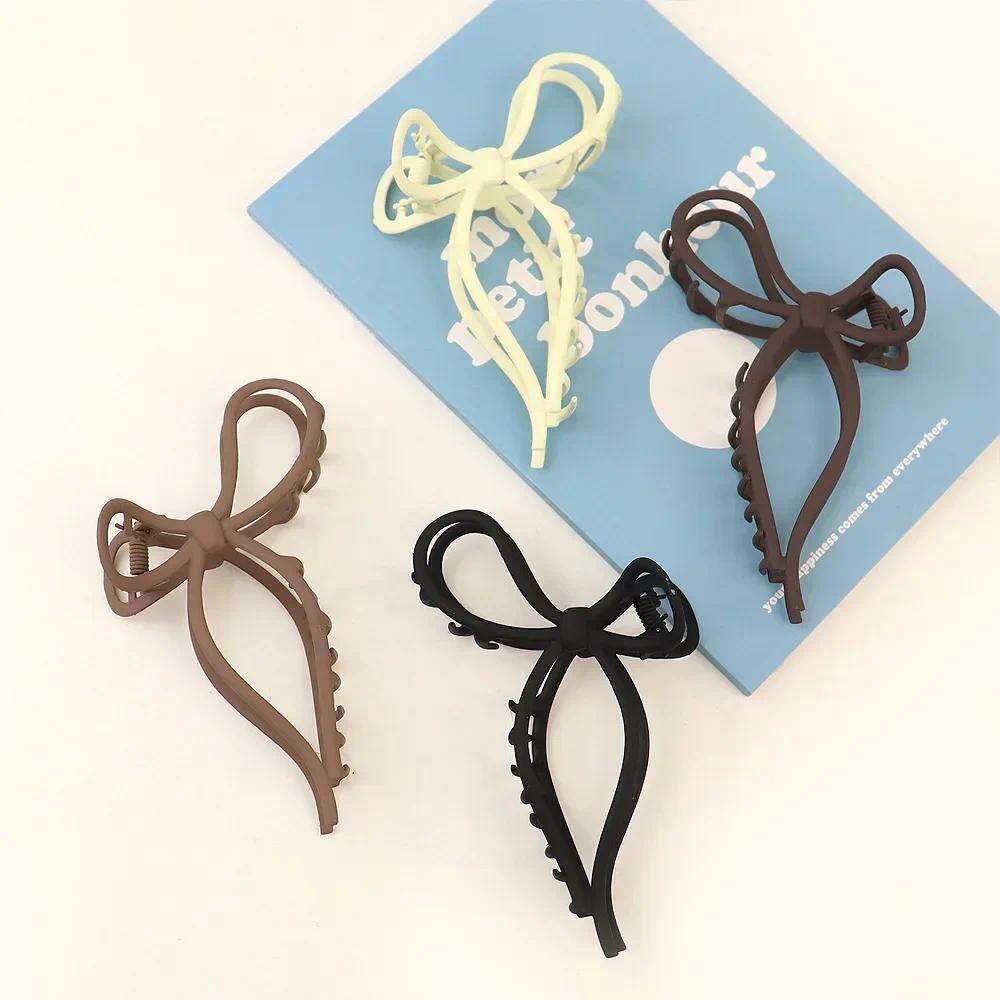
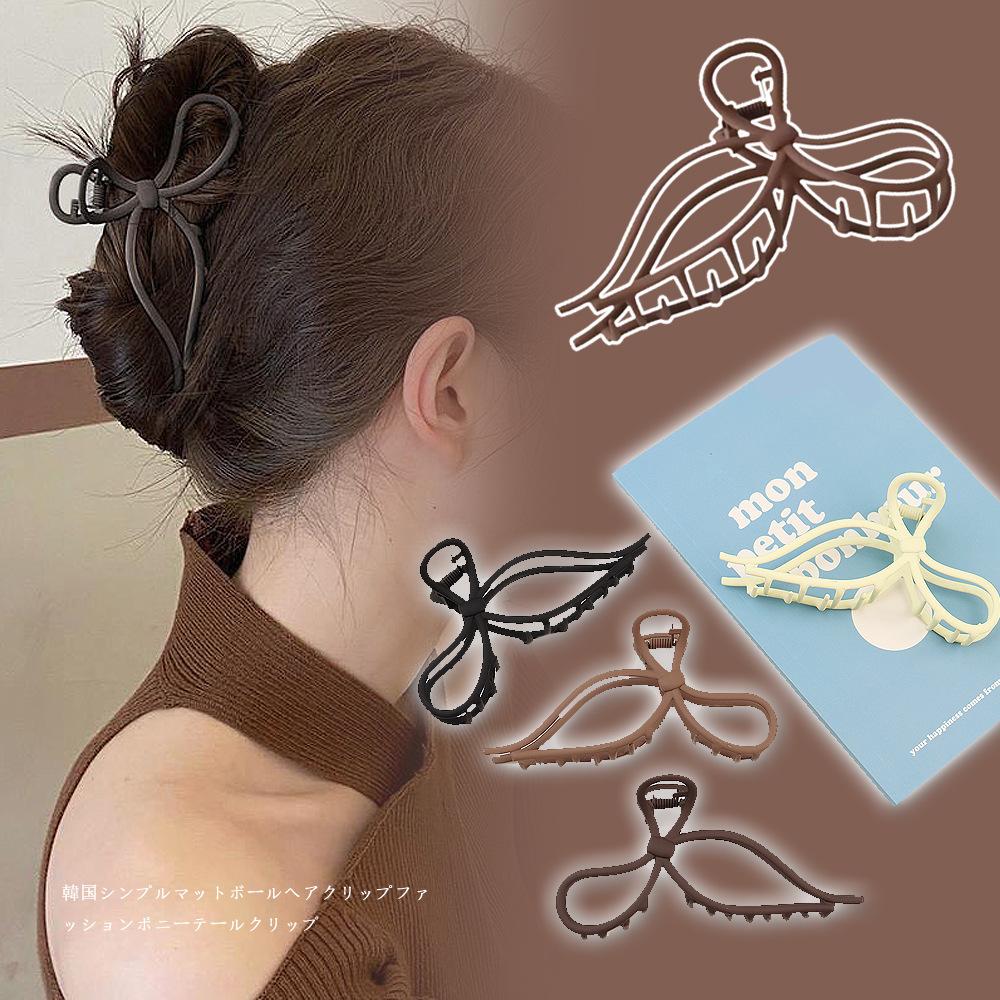
  • Durable Hair Claws for Busy Families: Safe and Simple Styling Tools

    Durable Hair Claws for Busy Families: Safe and Simple Styling Tools

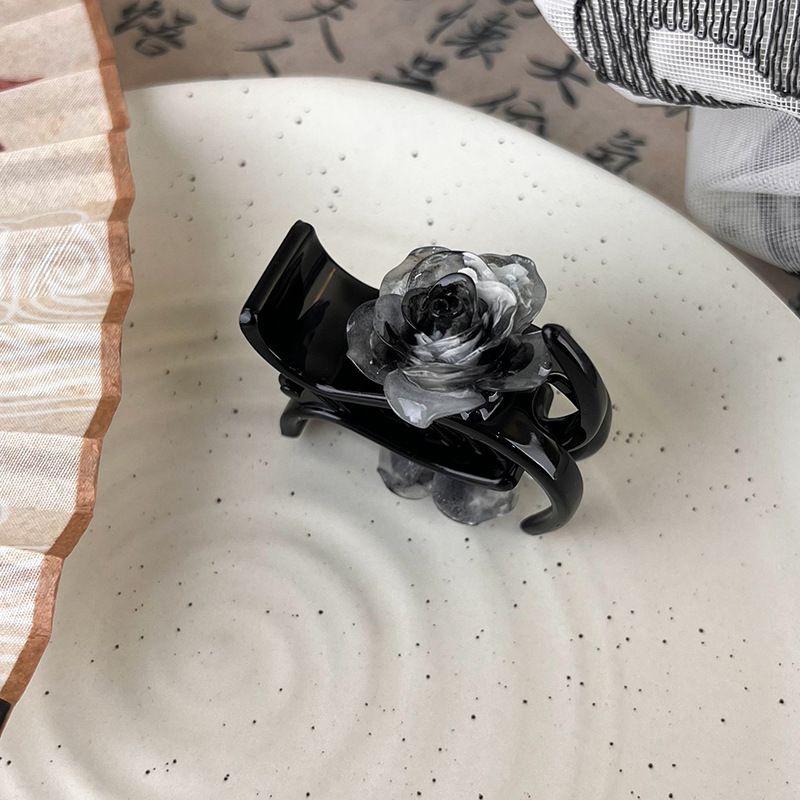
    These are simple, hollow hair claws designed for quick, low-maintenance styling. They suit busy parents and children who need hair held back securely during school, sports, or chores. The open design reduces tangling, making them ideal for families that need reliable tools that survive daily wear and tear without constant replacement.

    What to look for

    Material Safety

    Look for high-quality acrylic or resin that feels smooth to the touch. Avoid pieces with sharp edges or loose parts that could snag skin, as these are critical for child safety during active play.

    Structural Integrity

    Check the tension of the claw arms; they should close firmly to hold hair but not be so tight they snap under pressure. The hollow design often adds rigidity, helping the piece maintain its shape over time.

    Size and Weight

    Select a size proportional to the child’s hair volume. A lightweight clip is easier for smaller hands to handle and less likely to cause fatigue or discomfort if worn for several hours at school.

    How to use it

    Morning School Rush

    Use the claw to quickly gather hair into a ponytail while getting dressed. The simple mechanism requires minimal dexterity, allowing children to assist in their own grooming before leaving the house.

    Active Playtime

    Secure hair well away from the face during recess or sports to prevent tangling. The secure grip keeps hair in place even during vigorous movement, reducing the need for frequent touch-ups throughout the day.

    Messy Meals

    Clip hair back during dinner or snack time to keep it out of food. The smooth surface is easy to wipe clean if it gets splattered, making it a practical choice for family dining environments.

    Product photos

    Durable Hair Claws for Busy Families Safe and Simple Styling Tools — view 1

    Durable Hair Claws for Busy Families Safe and Simple Styling Tools — view 2

    At a glance

    Material Acrylic or resin
    Typical size Varies by size
    Best for Daily family use and active children
    Where it fits closet, pantry, or under-desk storage

    Frequently asked questions

    Are these hair claws safe for young children to handle?

    Yes, provided they are made from smooth, non-toxic materials without sharp edges. Always supervise younger kids when they first learn to use them to ensure they do not pinch their own hair or skin while practicing the closing motion.

    How do I clean these hair accessories after daily use?

    Wipe them down with a damp cloth and mild soap to remove oils and dust. Avoid soaking them in water for extended periods, as this can potentially weaken the adhesive joints or cause the material to warp over time.

    Will these hold up if my child is very active?

    They are designed for secure grip, but active play may cause more friction. Check the tension regularly to ensure the arms still close tightly. If the grip weakens, it is safer to replace the item rather than force it, which could break the plastic.

    Verdict

    Buy these for practical, low-maintenance styling that survives daily family chaos. Skip them if you need intricate, decorative styles, as they prioritize function and durability over aesthetic complexity.

    Product: Durable Hair Claws for Busy Families: Safe and Simple Styling Tools

    Durable Hair Claws for Busy Families: Safe and Simple Stylin

    View this product on TikTok Shop

    Listing: https://shop.tiktok.com/view/product/1729941306847562151

    Related guides

    {“@context”: “https://schema.org”, “@graph”: [{“@type”: “Article”, “headline”: “Durable Hair Claws for Busy Families: Safe and Simple Styling Tools”, “description”: “Find durable, safe hair claws for kids and parents. Learn how to choose hollow barrettes that withstand daily school routines and active play without breaking o”, “inLanguage”: “en”, “author”: {“@type”: “Organization”, “name”: “duolave.store”}}, {“@type”: “FAQPage”, “mainEntity”: [{“@type”: “Question”, “name”: “Are these hair claws safe for young children to handle?”, “acceptedAnswer”: {“@type”: “Answer”, “text”: “Yes, provided they are made from smooth, non-toxic materials without sharp edges. Always supervise younger kids when they first learn to use them to ensure they do not pinch their own hair or skin while practicing the closing motion.”}}, {“@type”: “Question”, “name”: “How do I clean these hair accessories after daily use?”, “acceptedAnswer”: {“@type”: “Answer”, “text”: “Wipe them down with a damp cloth and mild soap to remove oils and dust. Avoid soaking them in water for extended periods, as this can potentially weaken the adhesive joints or cause the material to warp over time.”}}, {“@type”: “Question”, “name”: “Will these hold up if my child is very active?”, “acceptedAnswer”: {“@type”: “Answer”, “text”: “They are designed for secure grip, but active play may cause more friction. Check the tension regularly to ensure the arms still close tightly. If the grip weakens, it is safer to replace the item rather than force it, which could break the plastic.”}}]}, {“@type”: “Product”, “name”: “Durable Hair Claws for Busy Families: Safe and Simple Styling Tools”, “description”: “These are simple, hollow hair claws designed for quick, low-maintenance styling. They suit busy parents and children who need hair held back securely during school, sports, or chores. The open design reduces tangling, making them ideal for families that need reliable tools that survive daily wear an”, “image”: “https://p16-oec-va.ibyteimg.com/tos-maliva-i-o3syd03w52-us/c638f4f2390144708a54976c612e1bc8~tplv-o3syd03w52-origin-jpeg.jpeg?dr=15568&from=520841845&idc=my&ps=933b5bde&shcp=2c1af732&shp=1f0b6a75&t=555f072d”, “offers”: {“@type”: “Offer”, “availability”: “https://schema.org/InStock”}}]}
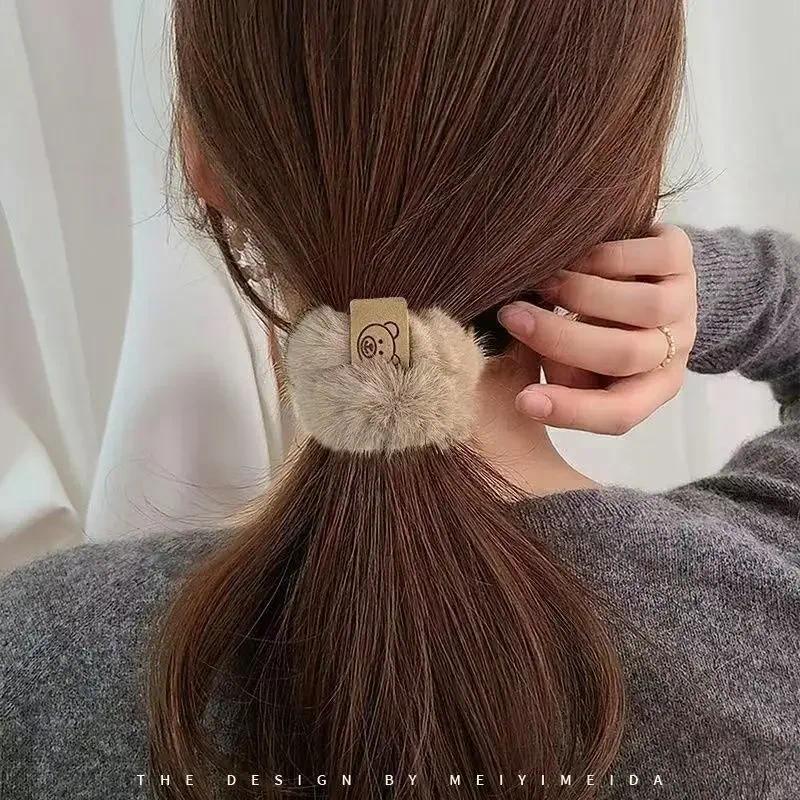
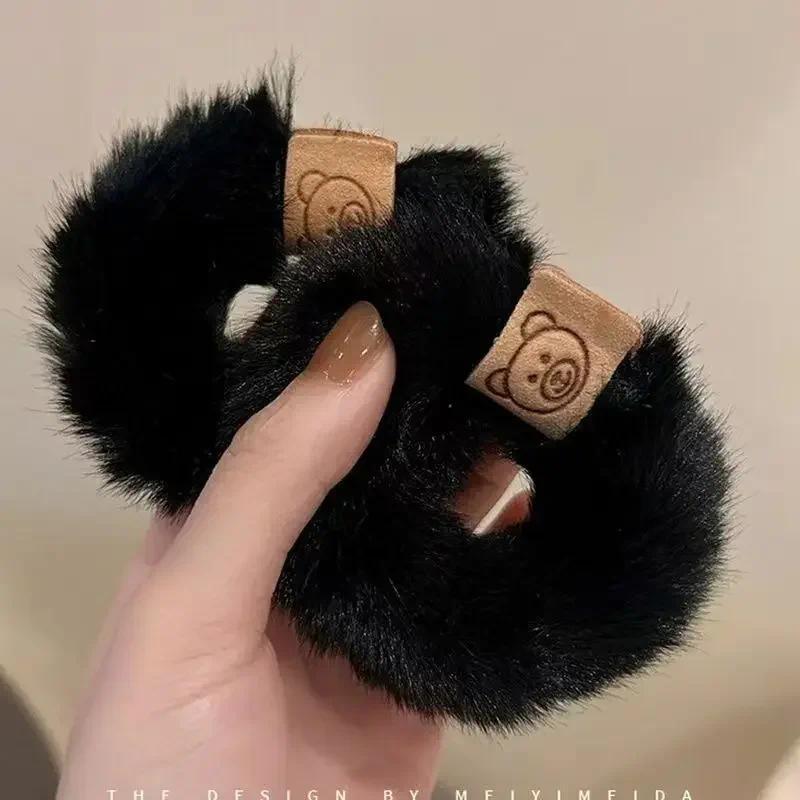
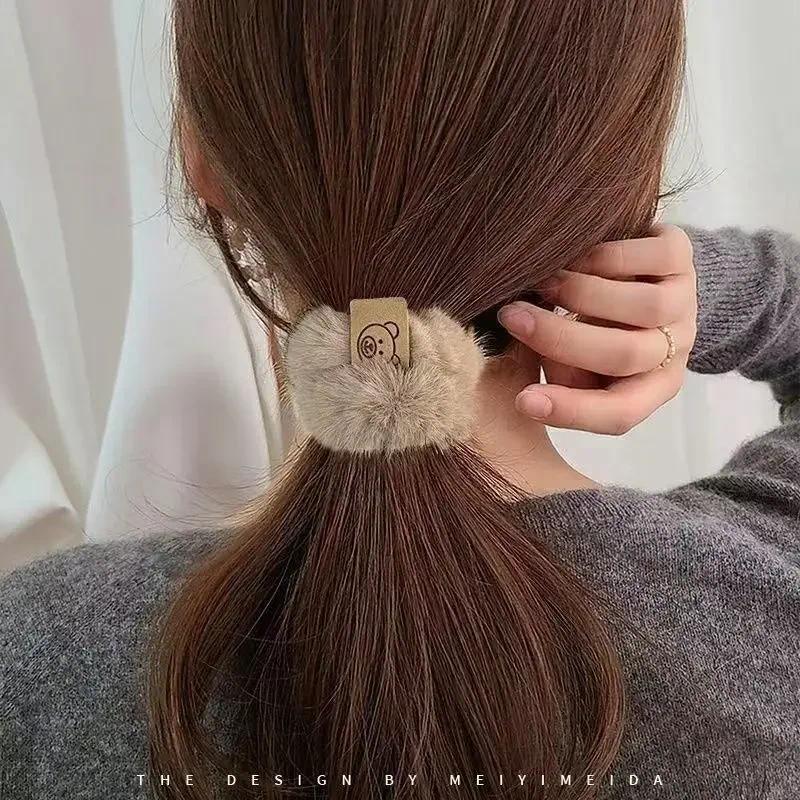
  • Durable Winter Scrunchies for Kids: Safe, Thick Plush Ponytail Holders

    Durable Winter Scrunchies for Kids: Safe, Thick Plush Ponytail Holders

    These are thick, plush hair ties designed for winter wear. They suit parents seeking durable, gentle options for children with medium to long hair who need secure ponytails during active play without painful pulling or tangling.

    What to look for

    Elastic Construction

    Inspect the core elastic to ensure it is fully encased in plush fabric. This prevents direct skin contact and reduces the risk of the elastic snapping, which is a common failure point in children’s accessories.

    Grip and Slippage

    Test the texture against a smooth surface to gauge friction. The plush material should provide enough grip to hold a ponytail securely during movement without requiring excessive tightening that could cause headaches.

    Fiber Density

    Check the pile height and density of the fabric. A denser, shorter pile is generally more durable and less likely to snag on clothing zippers or backpack straps than a long, fluffy pile.

    How to use it

    Recess and Playgrounds

    Secure hair in a high ponytail before outdoor activities. The thick volume adds warmth around the ears while the elastic keeps hair away from the face during running or climbing.

    School Commutes

    Use as a quick morning styling tool. The plush material is soft enough for sensitive scalps and easy for children to tie and remove independently without sharp edges.

    Indoor Warmth

    Wear during long car rides or indoor play. The soft texture prevents static buildup often caused by synthetic hair ties, keeping the child comfortable in heated environments.

    Product photos

    Durable Winter Scrunchies for Kids Safe, Thick Plush Ponytail Holders — view 1

    Durable Winter Scrunchies for Kids Safe, Thick Plush Ponytail Holders — view 2

    At a glance

    Material Plush fabric with elastic core
    Typical size Standard medium diameter
    Best for Children with medium to long hair
    Where it fits Closet drawer or desk organizer

    Frequently asked questions

    Will these scrunchies break my child’s hair?

    They are designed to be gentle. The plush exterior covers the elastic, reducing friction and tension on the hair shaft. However, avoid tying the ponytail too tightly, as excessive force can cause breakage regardless of the material.

    Are they machine washable for easy cleaning?

    Most plush hair accessories can be hand washed to preserve the elastic and fabric shape. If machine washing, use a delicate cycle in a mesh bag. Avoid tumble drying, as heat can degrade the elastic and shrink the fabric.

    Do they hold up well with fine hair?

    Thick plush scrunchies may slide on very fine hair due to lack of friction. For fine textures, look for versions with a textured interior or use a double-knot technique to ensure the ponytail stays secure throughout the day.

    Verdict

    Ideal for parents prioritizing comfort and durability for active kids. Avoid if your child has very short hair or if you require a completely non-slip grip for intense athletic performance.

    Product: Durable Winter Scrunchies for Kids: Safe, Thick Plush Ponytail Holders

    Durable Winter Scrunchies for Kids: Safe, Thick Plush Ponyta

    View this product on TikTok Shop

    Listing: https://shop.tiktok.com/view/product/1729941297716758951

    Related guides

    {“@context”: “https://schema.org”, “@graph”: [{“@type”: “Article”, “headline”: “Durable Winter Scrunchies for Kids: Safe, Thick Plush Ponytail Holders”, “description”: “Check if thick plush scrunchies survive daily family use. Learn how to assess durability, safety, and stretch for children’s hair in cold weather.”, “inLanguage”: “en”, “author”: {“@type”: “Organization”, “name”: “duolave.store”}}, {“@type”: “FAQPage”, “mainEntity”: [{“@type”: “Question”, “name”: “Will these scrunchies break my child’s hair?”, “acceptedAnswer”: {“@type”: “Answer”, “text”: “They are designed to be gentle. The plush exterior covers the elastic, reducing friction and tension on the hair shaft. However, avoid tying the ponytail too tightly, as excessive force can cause breakage regardless of the material.”}}, {“@type”: “Question”, “name”: “Are they machine washable for easy cleaning?”, “acceptedAnswer”: {“@type”: “Answer”, “text”: “Most plush hair accessories can be hand washed to preserve the elastic and fabric shape. If machine washing, use a delicate cycle in a mesh bag. Avoid tumble drying, as heat can degrade the elastic and shrink the fabric.”}}, {“@type”: “Question”, “name”: “Do they hold up well with fine hair?”, “acceptedAnswer”: {“@type”: “Answer”, “text”: “Thick plush scrunchies may slide on very fine hair due to lack of friction. For fine textures, look for versions with a textured interior or use a double-knot technique to ensure the ponytail stays secure throughout the day.”}}]}, {“@type”: “Product”, “name”: “Durable Winter Scrunchies for Kids: Safe, Thick Plush Ponytail Holders”, “description”: “These are thick, plush hair ties designed for winter wear. They suit parents seeking durable, gentle options for children with medium to long hair who need secure ponytails during active play without painful pulling or tangling.”, “image”: “https://p16-oec-va.ibyteimg.com/tos-maliva-i-o3syd03w52-us/5a054cc77c0746fd82d30cc0d3c433d7~tplv-o3syd03w52-origin-jpeg.jpeg?dr=15568&from=520841845&idc=my&ps=933b5bde&shcp=2c1af732&shp=1f0b6a75&t=555f072d”, “offers”: {“@type”: “Offer”, “availability”: “https://schema.org/InStock”}}]}
  • 10 Simple Health Habits That Transform Your Life in 30 Days

    TL;DR: Consistently practicing ten foundational habits, such as prioritizing sleep and hydration, can significantly improve physical and mental health within a month. These small, science-backed changes compound over thirty days to create lasting, transformative results in your daily well-being.

    The Power of Small, Consistent Changes

    Many people believe that significant health improvements require drastic overhauls or expensive supplements. In reality, the most effective transformations come from small, manageable adjustments to your daily routine. Research suggests that building consistent micro-habits is more sustainable than sporadic bursts of intense activity. When you focus on ten specific, high-impact areas, you create a robust foundation for long-term wellness. This approach reduces decision fatigue and makes it easier to maintain positive changes without feeling overwhelmed. By focusing on consistency rather than perfection, you allow your body and mind to adapt gradually, leading to deeper, more lasting benefits.

    If you want to dig deeper, check out our guide on Ethical AI Rules: How New Regulations Reshape Global Tech.

    Key Habits for Rapid Improvement

    First, prioritize high-quality sleep by aiming for seven to nine hours per night. Sleep is the cornerstone of recovery, cognitive function, and hormonal balance. Second, increase your water intake to at least eight glasses daily. Proper hydration supports digestion, energy levels, and skin health. Third, incorporate at least thirty minutes of moderate movement into your day. This could be a brisk walk, cycling, or yoga, which boosts cardiovascular health and mood. Fourth, focus on whole foods by adding more vegetables and lean proteins to your meals. Reducing processed sugar and refined carbs stabilizes blood sugar and energy levels. Fifth, practice mindfulness for ten minutes daily. Meditation reduces stress hormones like cortisol and improves focus.

    Sixth, limit alcohol consumption to moderate levels or abstain entirely. This allows your liver to recover and improves sleep quality. Seventh, take daily breaks from screens to rest your eyes and reduce digital eye strain. Eighth, spend time outdoors in natural light to regulate your circadian rhythm and boost vitamin D levels. Ninth, maintain a consistent wake-up time, even on weekends, to stabilize your internal clock. Tenth, engage in social connections by scheduling regular time with friends or family. Social support is a critical determinant of longevity and mental health. These ten habits are interrelated; improving one often supports the others. For example, better sleep enhances your energy for exercise, while regular movement improves sleep quality.

    Implementing Your 30-Day Plan

    To make these habits stick, start by choosing two or three that feel most manageable for you. Track your progress using a simple journal or app. Be patient with yourself; some days will be harder than others. The key is to resume the habit the next day rather than giving up entirely. By day thirty, you will likely notice increased energy, improved mood, and better physical performance. These changes are not just temporary fixes but the beginning of a new, healthier lifestyle. Remember, health is a marathon, not a sprint. These thirty days are simply the starting line for a lifelong journey toward optimal well-being. Embrace the process, celebrate small victories, and trust that consistent effort yields significant rewards.

    FAQ

    Q: Do I need to do all ten habits at once?
    A: No, it is better to introduce one or two new habits at a time to avoid burnout and ensure consistency.

    Q: How long does it really take to see results?
    A: While some mental clarity may be felt immediately, physical changes like energy levels and sleep quality typically improve within two to four weeks.

    Q: What if I miss a day?
    A: Missing a day is normal; simply resume your habits the next day without judgment, as consistency over time matters more than perfect adherence.

    Related Articles