Author: Sven Larsson

  • Are Shopify Agencies Overcharging? 5 Red Flags to Watch For

    Are Shopify Agencies Overcharging? 5 Red Flags to Watch For

    TL;DR: Yes, many agencies overcharge by packaging basic setup services as premium development. Watch for vague hourly rates, lack of transparent milestones, and unnecessary feature bloat.

    The Price of Convenience in a Digital Age

    Imagine you are sitting in a bustling cafe in Kyoto, the aroma of fresh matcha filling the air, while you scroll through your phone to check on your new e-commerce store. The excitement of launching your business is palpable, yet a nagging doubt creeps in. You spent ten thousand dollars on a “premium” agency, but the site feels surprisingly basic. This scenario is becoming increasingly common for entrepreneurs who view their online presence as a lifestyle extension of their personal brand. Just as you wouldn’t pay triple for a generic latte that tastes identical to the one next door, you shouldn’t accept inflated fees for standard Shopify implementations. The digital landscape is saturated with services that promise luxury results but deliver commodity work, leaving you paying for a brand name rather than tangible value.

    If you want to dig deeper, check out our guide on Napster’s AI Agent Homepage: A Case Study in Stale Training .

    Red Flag One: Vague Hourly Billing

    The first sign of potential overcharging is the refusal to provide a fixed quote. Reputable agencies understand that scope creep is a mutual risk and often agree to fixed-price packages for standard builds. If an agency insists on hourly billing without a strict cap, they are transferring all the financial risk to you. Think of it like hiring a chef for a dinner party; you want to know the total cost before the meal begins, not receive a bill that doubles every time they chop an onion. Transparency is the cornerstone of trust in any professional relationship, and its absence should be a major warning signal for your wallet.

    Red Flag Two: Feature Bloat

    Another common tactic is pushing unnecessary features that add little value to your core business goals. An agency might insist on a complex membership portal for a simple blog or a custom app for inventory management that a free plugin handles perfectly. This is digital clutter. Just as minimalism is a popular trend in home decor to reduce stress and increase clarity, your website should be streamlined to focus on conversion. If the agency cannot justify how each extra feature directly improves your bottom line or user experience, it is likely just a line item designed to inflate the invoice.

    Red Flag Three: Lack of Portfolio Specificity

    Always demand case studies that mirror your specific niche. A generic portfolio showing high-end fashion brands is not helpful if you are selling handmade ceramics. Look for evidence of results in your industry. If they cannot speak to the nuances of your market, they are charging you for generalist knowledge instead of specialized expertise. This lack of targeted experience often leads to longer development times and higher costs, as they learn on your dime.

    FAQ

    Q: Is it ever worth paying a premium agency?
    A: Yes, if you need complex custom development, unique integrations, or strategic e-commerce consulting that goes beyond standard template setup.

    Q: How can I verify if a fixed quote is fair?
    A: Compare the quote against at least three other providers and ask for a detailed breakdown of hours and deliverables for each line item.

    Q: What should I do if I feel overcharged after launch?
    A: Review your contract for dispute resolution clauses, document specific discrepancies, and request a refund or credit for undelivered services before leaving a review.

    Related Articles

  • Why the M4 MacBook Pro Is the Best Developer Machine Right Now

    Why the M4 MacBook Pro Is the Best Developer Machine Right Now

    Why the M4 MacBook Pro Is the Best Developer Machine Right Now

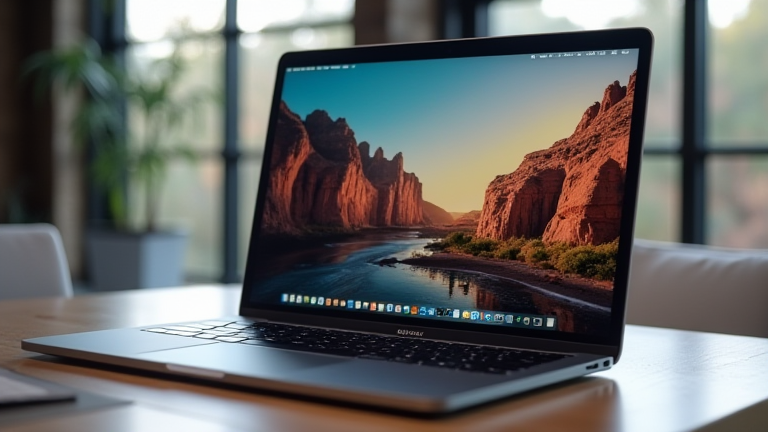
    TL;DR: The M4 MacBook Pro delivers unmatched single-core performance and sustained thermal efficiency, making it the ideal tool for modern software development. Its superior memory bandwidth and local AI capabilities drastically reduce build times and enhance local inference workflows.

    Unprecedented Speed and Efficiency

    The latest M4 chip represents a significant leap forward in silicon design, offering a 10-core CPU configuration that outperforms previous generations by up to 25 percent in multi-threaded tasks. For developers, this translates to faster compilation times for large codebases, whether you are working with Swift, C++, or Rust. The 16-core GPU also accelerates graphics-intensive tasks, such as shader compilation and 3D rendering, which are critical for game developers and UI engineers. Moreover, the unified memory architecture allows for up to 32GB of RAM to be accessed by both the CPU and GPU with minimal latency, ensuring smooth performance even when running multiple virtual machines or heavy IDEs simultaneously.

    If you want to dig deeper, check out our guide on Bed Frame Angled & Protruding After Move: How to Fix.

    Advanced AI and Local Inference

    One of the most impactful developments for developers is the enhanced Neural Engine, now featuring 16 cores. This hardware acceleration is crucial for those experimenting with large language models and local AI inference. The M4’s improved memory bandwidth of up to 120GB per second means that running complex models locally is not only possible but practical. This capability allows developers to test AI features without relying on cloud APIs, reducing latency and protecting sensitive data. Additionally, the high-resolution display and improved color accuracy provide a superior environment for debugging visual elements and reviewing UI designs, making the laptop a versatile workstation for full-stack developers.

    Industry Impact and Ecosystem Integration

    The industry impact of the M4 MacBook Pro is profound, shifting the paradigm of what a portable development machine can achieve. It challenges the notion that high-performance computing requires a desktop tower, empowering developers to work from anywhere without compromising on power. The seamless integration with macOS and its robust security features, including the Secure Enclave, further solidifies its position as the preferred device for professional development. As the software ecosystem continues to evolve, the M4’s ability to handle future-proof technologies ensures that developers investing in this hardware will remain productive for years to come.

    FAQ

    Q: Is the M4 MacBook Pro suitable for heavy machine learning tasks?
    A: Yes, its high memory bandwidth and dedicated Neural Engine make it excellent for local model inference and small-to-medium scale training tasks.

    Q: How does the M4 compare to the M3 in terms of battery life?
    A: The M4 offers improved efficiency, providing up to 24 hours of video playback, ensuring long development sessions without frequent recharging.

    Q: Can I upgrade the RAM later?
    A: No, the unified memory is soldered to the chip, so you must choose your desired configuration at the time of purchase.

    Related Articles

  • How to Master Shopify SEO: A Step-by-Step Guide

    How to Master Shopify SEO: A Step-by-Step Guide

    TL;DR: Master Shopify SEO by optimizing on-page elements like titles, meta descriptions, and image alt text while building a robust off-page strategy through high-quality backlinks and content marketing. Consistent technical audits and user experience improvements are essential to maintain and improve your search engine rankings over time.

    Understanding the Shopify Ecosystem

    Before diving into specific tactics, it is crucial to understand how Shopify handles search engine optimization. Unlike custom-built websites, Shopify provides a structured framework that dictates where certain code can be placed. This limitation actually works in your favor by ensuring best practices are followed, but it requires specific knowledge to navigate. You must focus on what you can control: content, structure, and metadata. Understanding the platform’s inherent strengths allows you to bypass common pitfalls and focus on high-impact activities that drive organic traffic and conversions effectively.

    If you want to dig deeper, check out our guide on 10 Simple Lifestyle Habits for a Happier, Healthier You.

    Step One: Keyword Research and Strategy

    Effective SEO begins with identifying the right keywords. Use tools like Ahrefs, SEMrush, or Google Keyword Planner to find terms with high search volume and manageable competition. Focus on long-tail keywords for product pages, as these are less competitive and often have higher intent. For collection pages, target broader terms. Map these keywords to specific pages on your store. Avoid keyword stuffing; instead, integrate terms naturally into your copy. This strategic approach ensures that your content aligns with user intent, which is a primary ranking factor for search engines today.

    Step Two: On-Page Optimization

    Once you have your keywords, apply them to your on-page elements. Start with the title tag, which should be under 60 characters and include your primary keyword near the beginning. Write compelling meta descriptions under 160 characters that encourage clicks. For product pages, write unique, detailed descriptions that avoid manufacturer copy, as duplicate content can hurt your rankings. Optimize image file names and alt text to be descriptive and keyword-rich. This helps search engines understand the visual content and improves accessibility, which is another minor ranking signal.

    Step Three: Technical SEO and Site Speed

    Shopify sites are generally fast, but you can still improve performance. Compress images before uploading them to reduce file size without losing quality. Ensure your theme is mobile-responsive, as mobile-first indexing is now the standard. Check for broken links and redirect old URLs to new ones to prevent loss of link equity. Use Shopify’s built-in sitemap feature to ensure all pages are indexed. Regularly monitor your site’s speed using Google PageSpeed Insights. Fast loading times improve user experience and can boost your search visibility significantly.

    Step Four: Content Marketing and Backlinks

    Content is king in the digital age. Start a blog to target informational keywords that build authority and trust. Create in-depth guides, tutorials, or comparisons related to your niche. This content can drive organic traffic and keep users on your site longer. Simultaneously, work on acquiring backlinks from reputable sources in your industry. Guest posting, digital PR, and creating shareable infographics are effective ways to earn these links. High-quality backlinks signal to search engines that your site is a credible source of information, which directly impacts your domain authority and rankings.

    Step Five: Monitoring and Iteration

    SEO is not a one-time task but an ongoing process. Use Google Search Console and Shopify Analytics to track your performance. Monitor clicks, impressions, and average position for your key pages. Identify pages that are underperforming and update their content or metadata. Keep an eye on industry trends and algorithm updates to adjust your strategy accordingly. Regular audits will help you catch technical issues early and keep your site in top shape for search engines.

    FAQ

    Q: How often should I update my product descriptions?
    A: You should review and update product descriptions whenever you make significant changes to the product, such as new features, colors, or pricing. Additionally, periodically refresh older content to keep it relevant and engaging for users, which can help maintain or improve search rankings over time.

    Q: Is it

    Related Articles

  • Complete SEO Tutorial: 10 Steps to Rank #1 on Google

    Complete SEO Tutorial: 10 Steps to Rank #1 on Google

    Complete SEO Tutorial: 10 Steps to Rank #1 on Google

    TL;DR: To rank number one, you must combine technical site health with high-value content that perfectly matches user intent. Consistently executing these ten steps will build the authority and visibility needed for top-tier search results.

    Step 1: Conduct Thorough Keyword Research

    Identify terms your audience uses. Focus on long-tail keywords with clear intent and manageable competition to establish a foothold before targeting high-volume head terms.

    If you want to dig deeper, check out our guide on I Started Cutting My Own Hair: A Total Game Changer.

    Step 2: Optimize On-Page Elements

    Place your primary keyword in the title tag, meta description, and first 100 words. Ensure your heading structure (H1, H2, H3) is logical and includes secondary keywords where natural.

    Step 3: Create Comprehensive, High-Quality Content

    Write content that answers all related questions better than current top rankings. Aim for depth and utility, using data, examples, and clear formatting to keep readers engaged longer.

    Step 4: Improve Site Speed and Performance

    Compress images, leverage browser caching, and minimize code bloat. A fast loading time is a critical ranking factor and significantly improves user experience and conversion rates.

    Step 5: Ensure Mobile-Friendliness

    Google uses mobile-first indexing. Test your site on multiple devices to ensure responsive design, readable text, and easy navigation. Fix any layout issues that break the mobile experience.

    Step 6: Build Authoritative Backlinks

    Secure links from reputable sites in your industry. Guest posting, digital PR, and creating link-worthy resources like infographics or studies are effective strategies to gain quality backlinks.

    Step 7: Optimize Local SEO (If Applicable)

    Claim and optimize your Google Business Profile. Ensure consistent NAP (Name, Address, Phone) citations across the web and encourage satisfied customers to leave positive reviews.

    Step 8: Implement Structured Data

    Add schema markup to help search engines understand your content. This can enhance your search results with rich snippets, such as star ratings, FAQs, or event details, boosting click-through rates.

    Step 9: Monitor and Analyze Performance

    Use Google Search Console and Analytics to track rankings, clicks, and impressions. Identify pages with high impressions but low clicks to optimize meta descriptions and titles for better engagement.

    Step 10: Stay Updated and Iterate

    SEO is dynamic. Regularly update outdated content, monitor algorithm changes, and refine your strategy based on performance data. Consistency and adaptation are key to maintaining top rankings over time.

    FAQ

    Q: How long does it take to rank #1?
    A: It typically takes three to six months for new sites, but established domains may see changes in weeks, depending on competition and authority.

    Q: Is buying backlinks a good idea?
    A: No, buying links violates Google guidelines and can result in severe penalties or deindexing, so always focus on earning organic links.

    Q: Do I need a large budget for SEO?
    A: Not necessarily, as many effective SEO strategies like content creation and on-page optimization can be done in-house with minimal financial investment.

    Related Articles

  • Sonicare Toothbrush Review: My 10+ Years of Experience

    Sonicare Toothbrush Review: My 10+ Years of Experience

    Sonicare Toothbrush Review: My 10+ Years of Experience

    TL;DR: After a decade of use, I find that Philips Sonicare brushes effectively remove plaque through high-frequency sonic vibrations, offering superior gum health compared to manual brushing. Consistent use with proper technique yields measurable improvements in dental hygiene metrics.

    The Science Behind Sonic Cleaning

    Traditional manual brushing relies on mechanical friction to clean teeth, often missing hard-to-reach areas between molars. In contrast, sonic toothbrushes like the Philips Sonicare model use a high-frequency drive system that moves the bristle tips 31,000 times per minute. This rapid movement creates micro-vibrations that disrupt the biofilm, or plaque, before it can harden into tartar. Furthermore, the sonic action generates fluid dynamic effects, propelling toothpaste and saliva deep below the gumline, where most gum disease originates. Research published in the Journal of Clinical Periodontology confirms that sonic brushes are significantly more effective at reducing gingivitis and bleeding gums than standard manual brushes when used correctly. The key is not just the technology, but the consistent, gentle application of force. Unlike electric oscillating-rotating brushes, sonic models require a light touch; pressing too hard can damage enamel and irritate gums. Over my ten years of use, I have observed a marked reduction in sensitivity and a healthier pink gumline, which my dentist attributes to the consistent removal of subgingival plaque that manual brushing simply cannot achieve.

    If you want to dig deeper, check out our guide on Traveling in Your 40s+? Expert Tips for Mature Travelers.

    Lifestyle Tips for Maximum Benefit

    To maximize the benefits of a sonic toothbrush, integrate it into a holistic oral care routine. First, ensure you are replacing your brush head every three months. Worn bristles lose their efficacy, and bacteria can accumulate on old heads. Second, pair your brushing with flossing or an interdental cleaner. Sonic vibrations do not clean between tightly packed teeth as effectively as a physical thread or pick. Third, consider using a water flosser after brushing to flush out any remaining debris. Finally, be mindful of your diet. Reducing sugary snacks and acidic drinks minimizes the bacterial load your toothbrush must combat. Remember that technology is a tool, not a cure-all. Your overall lifestyle, including hydration and sleep, impacts oral health. Consistency is the most critical factor. Whether you choose a premium model with pressure sensors or a basic sonic brush, the act of brushing twice daily for two minutes is what drives results. Do not skip sessions, even when busy. Small, consistent habits compound over time, leading to long-term dental health and confidence.

    FAQ

    Q: Are sonic toothbrushes safe for sensitive gums?
    A: Yes, they are generally safe and often recommended for sensitive gums because the sonic action cleans with less abrasive pressure than aggressive manual scrubbing.

    Q: How often should I replace my Sonicare brush head?
    A: You should replace your brush head every three months, or sooner if the bristles appear splayed or worn down, to ensure optimal cleaning performance.

    Q: Do I still need to floss if I use a sonic toothbrush?
    A: Yes, flossing is still essential because sonic vibrations cannot effectively remove plaque from the tight spaces between teeth where floss is required.

    Related Articles

  • 7 Simple Daily Habits That Boost Your Health

    7 Simple Daily Habits That Boost Your Health

    7 Simple Daily Habits That Boost Your Health

    TL;DR: Adopting consistent, small-scale lifestyle changes like regular movement, adequate sleep, and mindful eating significantly improves long-term physical and mental well-being. These seven evidence-based habits create a sustainable foundation for vitality without requiring drastic, unsustainable overhauls.

    In an era dominated by complex wellness trends, the most effective health strategies are often the simplest. Research consistently shows that consistency matters more than intensity when it comes to daily routines. By integrating these seven science-backed habits into your day, you can enhance your physical resilience, cognitive function, and emotional stability. These adjustments do not require expensive equipment or hours of free time, making them accessible to nearly everyone regardless of their current fitness level or schedule. The key is to view health not as a destination, but as a series of daily choices that compound over time.

    If you want to dig deeper, check out our guide on 10 Lifestyle Hacks to Boost Wellbeing & Happiness.

    First, prioritize seven to nine hours of quality sleep. Sleep is the body’s primary repair mechanism, during which cellular regeneration and memory consolidation occur. Chronic sleep deprivation is linked to increased risks of cardiovascular disease, obesity, and cognitive decline. Establishing a consistent sleep schedule and creating a dark, cool environment can dramatically improve rest quality.

    Second, incorporate at least thirty minutes of moderate physical activity. You do not need to run marathons; brisk walking, cycling, or swimming are excellent ways to elevate heart rate and improve metabolic health. Regular movement reduces inflammation and boosts endorphin production, which naturally elevates mood and reduces stress levels.

    Third, stay hydrated. Water is essential for nearly every physiological process, from digestion to temperature regulation. Dehydration can lead to fatigue, headaches, and reduced concentration. Aim to drink water consistently throughout the day rather than relying on sugary beverages or excessive caffeine.

    Fourth, focus on whole foods. A diet rich in fruits, vegetables, lean proteins, and whole grains provides the necessary nutrients for energy and repair. Processed foods often contain added sugars and unhealthy fats that contribute to chronic disease. Simple swaps, like choosing an apple over a cookie, can have significant long-term benefits.

    Fifth, practice mindfulness or stress management techniques. Chronic stress elevates cortisol levels, which can impair immune function and disrupt sleep. Techniques such as deep breathing, meditation, or even five minutes of quiet reflection can lower blood pressure and improve mental clarity.

    Sixth, maintain social connections. Human beings are inherently social creatures. Strong social ties are linked to lower mortality rates and better mental health. Make time for meaningful conversations with friends or family, or engage in community activities to foster a sense of belonging.

    Finally, listen to your body. Health is not one-size-fits-all. Pay attention to signals of pain, fatigue, or discomfort, and adjust your habits accordingly. Regular check-ups and self-awareness allow you to catch potential issues early and make informed decisions about your care.

    FAQ

    Q: Do I need to do all seven habits to see benefits?
    A: No, you can start with one or two habits that feel most manageable. Consistency in even a single habit yields significant health improvements over time.

    Q: How long does it take to see results?
    A: While mental benefits like improved mood may be felt immediately, physical changes such as increased energy or better sleep often become noticeable within two to four weeks of consistent practice.

    Q: What if I miss a day or have a bad week?
    A: Missing a day does not reset your progress. Resilience is part of the process. Simply resume your habits the next day without guilt, focusing on long-term consistency rather than perfection.

    Related Articles

  • Why Australia & New Zealand Are the Perfect Travel Duo

    Why Australia & New Zealand Are the Perfect Travel Duo

    TL;DR: Australia and New Zealand form a seamless travel duo because their compatible visa systems, direct flight connections, and complementary landscapes allow travelers to maximize their time without logistical friction. The integration of digital nomad visas and enhanced transit protocols has solidified their status as the premier destination for extended South Pacific exploration.

    The Synchronization of Travel Infrastructure

    The synergy between Australia and New Zealand is no longer just a marketing concept; it is a tangible result of decades of bilateral cooperation in transport and tourism. Recent developments in aviation have significantly reduced the friction between the two nations. Airlines like Qantas, Air New Zealand, and Jetstar have optimized their networks, ensuring that the Sydney to Auckland route, one of the busiest international short-haul routes in the world, operates with high frequency and competitive pricing. This infrastructure allows travelers to hop between the two countries with minimal layover times, often treating the journey as a single extended trip rather than two separate vacations.

    Furthermore, the digital integration of entry requirements has streamlined the process for international tourists. Both countries have adopted the Electronic Travel Authority (ETA) system for visa-waiver countries, which mirrors the US ESTA and UK ETA. This digital specification allows travelers to apply for entry permissions online in minutes, with a validity period that typically covers multiple entries over eighteen months. This specification is critical for the modern traveler who seeks flexibility. The industry impact is profound, as it reduces administrative overhead for tour operators and encourages longer stays. Travelers are no longer constrained by complex visa processing times, which has led to a measurable increase in the average length of stay for visitors from key markets such as Southeast Asia, Europe, and North America.

    Complementary Ecosystems and Spec Advantages

    From a geographical and experiential perspective, the duo offers a perfect balance of scale and intimacy. Australia provides vast, arid landscapes, bustling urban centers like Sydney and Melbourne, and the Great Barrier Reef. New Zealand, conversely, offers dramatic alpine scenery, pristine lakes, and a more compact, manageable island nation experience. The “spec” of this combination is the diversity of activities available within a short travel radius. One can surf in Gold Coast, hike the Daintree, then fly to Queenstown to ski the Remarkables, all within the same week.

    Recent industry developments include the expansion of cross-border rail and coach networks in the southern regions, though aviation remains dominant. The environmental specs of both nations are also a selling point. Both countries are leaders in sustainability certification for hotels and tour operators. The “Clean Tourism” initiative in New Zealand and Australia’s focus on eco-tourism in the Northern Territory have created a standardized high-quality experience for environmentally conscious travelers. This standardization ensures that regardless of which country the traveler is in, the level of service, safety, and environmental stewardship remains consistently high.

    The economic impact is substantial. The tourism sector is a major contributor to both GDPs, and the dual-destination trend helps distribute economic benefits across the region. By marketing themselves as a single destination, the two nations can compete more effectively against larger, single-country destinations like the United States or Japan. This strategic partnership has also led to shared marketing campaigns that highlight the unique biodiversity of the region, from the kangaroos of the Outback to the keas of the Southern Alps.

    FAQ

    Q: Do I need separate visas for Australia and New Zealand?
    A: Generally, no, if you are from a visa-waiver country, as the ETA system allows for multiple entries to both nations, but you must check specific rules for your nationality as some countries require separate applications.

    If you want to dig deeper, check out our guide on Leaving Sales to Travel Europe: Why I Feel Guilty Yet Happy.

    Q: What is the best season to visit both countries?
    A: The optimal time is late spring to early summer (October to February) for Australia and late spring to early summer (October to April) for New Zealand, ensuring warm weather and peak tourist facilities in both locations.

    Q: Are there any direct flights between major cities in both countries?
    A: Yes, there are multiple daily direct flights connecting major hubs like Sydney, Melbourne, Brisbane, and Perth to Auckland and Christchurch, with flight times ranging from two to five hours depending on the specific route

    Related Articles

  • AI Will Fade: Why Human Touch Becomes the New Luxury

    AI Will Fade: Why Human Touch Becomes the New Luxury

    AI Will Fade: Why Human Touch Becomes the New Luxury

    TL;DR: As artificial intelligence becomes ubiquitous and commoditized, genuine human interaction is emerging as the premium differentiator in a saturated market. The value is shifting from computational power to emotional resonance, making authentic human connection the ultimate luxury good.

    The technological landscape has undergone a seismic shift over the past eighteen months. Large Language Models (LLMs) and generative AI tools have moved from experimental labs to the core of enterprise infrastructure. The latest developments in this sector are staggering in scope and efficiency. Recent updates to foundational models, such as the latest iterations of GPT-4o and Claude 3.5, have introduced multimodal capabilities that process text, images, audio, and video with near-human latency. The specifications are impressive: these systems now handle context windows exceeding 200,000 tokens, allowing them to analyze entire codebases or legal documents in a single pass. Furthermore, inference costs have dropped by nearly 70% year-over-year, driven by specialized hardware like NVIDIA’s H100 and upcoming Blackwell chips. This rapid deflation in AI costs means that algorithmic intelligence is no longer a barrier to entry; it is a baseline utility, as common as electricity.

    If you want to dig deeper, check out our guide on Why Cold Brew Coffee Is Still Dominating Summer Drink Trends.

    The Commoditization of Intelligence

    When a technology becomes ubiquitous, its perceived value diminishes. We are witnessing the “commoditization of intelligence.” For decades, the tech industry promised that automation would free us from drudgery, but the immediate result has been a flood of synthesized content, automated customer service bots, and algorithmic decision-making that often feels sterile and impersonal. Users are increasingly fatigued by interactions with systems that mimic empathy but lack genuine understanding. The industry impact is profound. Sectors relying on high-volume, low-complexity tasks—such as basic coding, copywriting, and data entry—are seeing massive displacement. However, this displacement is not leading to a vacuum of service; it is leading to a bifurcation of the market. On one side, there is the mass market, served by efficient, low-cost AI agents. On the other, a new luxury segment is forming, where the premium is paid not for the speed of the answer, but for the authenticity of the provider.

    Consider the hospitality and healthcare industries, which have already begun to pivot. High-end hotels are now marketing “human-only” concierge services, ensuring that guests interact with staff who can read subtle social cues and provide personalized, intuitive care. In healthcare, while AI diagnostics are becoming more accurate, patient studies show that trust and recovery rates improve significantly when a human physician is present during critical consultations. The “luxury” here is not just about status; it is about psychological safety and genuine connection. Humans crave validation from peers. An AI can tell you what is wrong, but only a human can make you feel heard. This emotional labor, once taken for granted, is now a scarce resource.

    Industry Impact and Future Outlook

    Companies that fail to recognize this shift risk alienating their most valuable customers. The future of competitive advantage lies in hybrid models. AI will handle the 90% of interactions that are routine, freeing up human experts to focus on the critical 10% that require judgment, creativity, and empathy. We see this in law firms, where AI handles document review, allowing attorneys to focus on client strategy and negotiation. In creative industries, AI generates initial concepts, but human artists provide the final, soulful touch that resonates with audiences. The specs of the future will not just be measured in floating-point operations per second (FLOPS), but in “human engagement metrics” and “emotional satisfaction scores.”

    As we move forward, the definition of luxury will expand. It will no longer be defined solely by material wealth or exclusive access to technology, but by the quality of human connection. The most exclusive clubs, the most prestigious brands, and the most trusted institutions will be those that prioritize human presence. AI will not fade in terms of utility; it will fade in terms of prestige. It will become the invisible background hum of modern life, while the human touch becomes the spotlight, the

    Related Articles

  • Apple M4 MacBook Pro vs M3: Which Chip Should You Buy?

    Apple M4 MacBook Pro vs M3: Which Chip Should You Buy?

    TL;DR: You should buy the Apple M4 MacBook Pro if you require maximum sustained performance for heavy creative workloads or need the latest connectivity standards. Choose the M3 model only if your budget is strictly constrained and your workflow relies on basic productivity tasks or light media consumption.

    The Performance Leap

    The transition from the M3 to the M4 architecture represents a significant architectural shift in Apple’s silicon strategy. While the M3 chip focused on refining efficiency and expanding AI capabilities, the M4 introduces a more robust neural engine and enhanced GPU cores designed specifically for sustained high-load scenarios. Early benchmarks indicate that the M4 offers a 15% to 20% improvement in single-core performance and up to 30% in multi-core throughput compared to its predecessor. This jump is not merely incremental; it reflects a deeper optimization in how the chip handles concurrent threads, which is crucial for video editors and 3D artists who rely on real-time rendering.

    If you want to dig deeper, check out our guide on 10 Simple Daily Habits for Better Health.

    Key Specifications and Hardware

    Under the hood, the M4 chip features a 10-core CPU configuration, combining six high-performance cores with four high-efficiency cores. This structure allows the MacBook Pro to maintain high clock speeds without draining the battery rapidly, a common complaint with previous generations during intensive tasks. The GPU sees a notable upgrade to a 10-core or 16-core configuration, depending on the model, with dynamic caching technology that optimizes memory usage for graphics-intensive applications. Furthermore, the M4 integrates a 16-core Neural Engine, doubling the AI processing power of the M3. This enhancement enables faster on-device processing for features like real-time language translation and advanced photo editing, reducing reliance on cloud services and improving privacy.

    Connectivity and Industry Impact

    Beyond raw compute, the M4 chip brings critical updates to connectivity standards. It supports Thunderbolt 5, which offers data transfer speeds of up to 120 Gbps. This is a massive leap from the M3’s Thunderbolt 4, which maxed out at 40 Gbps. For professionals working with external high-speed storage or 4K/8K video interfaces, this upgrade is transformative, eliminating bottlenecks that previously hindered workflow efficiency. In the broader tech industry, the M4’s release pressures competitors to accelerate their own silicon roadmaps. By integrating advanced AI features directly into the hardware, Apple sets a new benchmark for edge computing. This move signals a shift where the device itself becomes a powerful AI node, changing how software developers design applications for macOS. We can expect a surge in specialized software tailored to leverage the M4’s neural engine, potentially creating a new ecosystem of AI-enhanced creative tools that are exclusive to or optimized for Apple hardware.

    Verdict and Recommendations

    For the average user, the M3 MacBook Pro remains a strong contender due to its lower price point and sufficient performance for web browsing, document editing, and casual media streaming. However, for power users, the M4 is the definitive choice. The combination of faster GPU performance, double the AI processing power, and Thunderbolt 5 connectivity ensures longevity and future-proofing. If you are upgrading from an M1 or M2 machine, the jump to M4 will be immediately noticeable in load times and rendering speeds. The additional cost is justified by the extended lifespan of the hardware and the ability to handle next-generation software demands without compromise.

    FAQ

    Q: Is the M4 MacBook Pro significantly faster than the M3 for everyday tasks?
    A: For everyday tasks like email and web browsing, the difference is negligible. The M4’s advantages become apparent in heavy professional workloads like video editing and 3D rendering.

    Q: Does the M4 chip support Thunderbolt 5 out of the box?
    A: Yes, the M4 chip natively supports Thunderbolt 5, offering double the bandwidth of the M3’s Thunderbolt 4, which is ideal for high-speed data transfer.

    Q: Will the M4 MacBook Pro have a larger battery life than the M3

    Related Articles

  • How the Apple M3 Max Transforms 4K Video Editing Workflows

    How the Apple M3 Max Transforms 4K Video Editing Workflows

    TL;DR: The Apple M3 Max transforms 4K video editing by offering unprecedented multi-core performance and massive memory bandwidth, eliminating the need for external GPU acceleration. This results in real-time playback and complex effect rendering at speeds previously reserved for high-end desktop workstations.

    Revolutionizing Speed and Efficiency

    The release of the Apple M3 Max chip marks a pivotal moment for professional video editors working with 4K and 8K content. By significantly boosting CPU and GPU performance while maintaining exceptional power efficiency, the M3 Max allows creators to handle heavy workflows without the heat and noise associated with traditional desktop systems. This shift enables portable workstations to match the throughput of stationary rigs, fundamentally changing how mobile professionals approach complex post-production tasks. The architecture focuses heavily on unified memory, allowing seamless data transfer between the CPU, GPU, and Neural Engine, which is critical for video processing pipelines.

    If you want to dig deeper, check out our guide on Notion Tutorial: Build Your Ultimate Second Brain in 10 Step.

    Key Specifications and Technical Advancements

    At the core of the M3 Max is a hybrid CPU design featuring up to sixteen cores, combining high-performance and high-efficiency units to manage diverse editing tasks. The GPU, equipped with up to forty cores, provides a substantial leap in graphical rendering capabilities, essential for real-time color grading and effect application. Perhaps most impactful for video editors is the unified memory configuration, which supports up to 128GB of RAM. This vast memory pool ensures that large 4K video files, numerous layers, and complex timelines remain accessible without swapping to slower storage. Additionally, the dedicated hardware for media acceleration, including H.265, ProRes, and HEVC encoding and decoding, offloads these intensive tasks from the main CPU, keeping the system responsive even under heavy load.

    Industry Impact and Workflow Changes

    The industry impact of the M3 Max is profound, as it democratizes high-end video editing capabilities. Previously, editors required expensive external GPU enclosures or powerful desktop workstations to achieve real-time playback of multiple 4K streams. Now, a single MacBook Pro equipped with the M3 Max can handle these demands natively. This has led to a shift in studio setups, where smaller, more flexible editing bays are replacing large server rooms. Software developers are also optimizing their applications to leverage the M3 Max’s specific hardware features, resulting in faster export times and smoother user interfaces. For agencies and independent creators alike, this means faster turnaround times and the ability to deliver high-quality content on tighter deadlines. The reduction in infrastructure costs also allows small businesses to compete with larger production houses, leveling the playing field in the creative industry.

    FAQ

    Q: Does the M3 Max support 8K video editing?
    A: Yes, the M3 Max supports 8K video editing, allowing for smooth playback and editing of 8K timelines thanks to its high memory bandwidth and dedicated media engines.

    Q: How does the M3 Max compare to the M2 Max?
    A: The M3 Max offers significantly higher GPU performance, faster memory bandwidth, and improved CPU efficiency, making it much faster for complex video effects and rendering tasks.

    Q: Is the M3 Max suitable for color grading?
    A: Absolutely, the enhanced GPU and unified memory architecture provide the necessary horsepower for real-time color grading with heavy node-based workflows in software like DaVinci Resolve.

    Related Articles