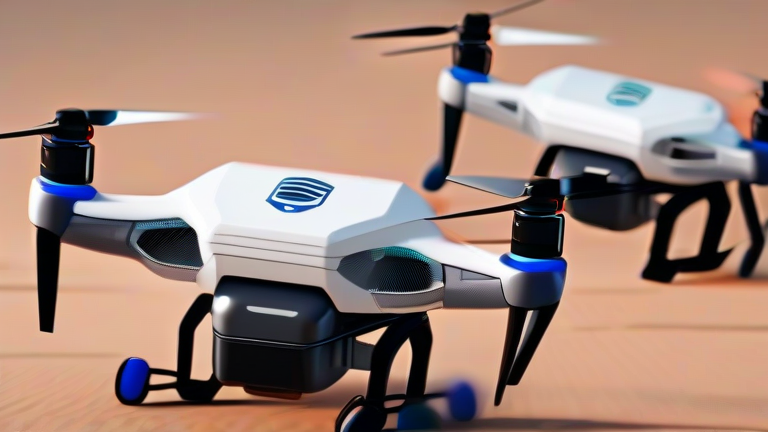
Autonomous Drones Redefine Last-Mile Delivery Logistics
TL;DR: Autonomous drones are transforming last-mile delivery by slashing transit times from hours to minutes and reducing carbon footprints compared to traditional ground vehicles. This shift is driven by advanced AI navigation, extended battery life, and regulatory approvals that enable scalable urban air mobility networks.
The New Frontier of Urban Air Mobility
The logistics landscape is undergoing a seismic shift as autonomous drones move from experimental prototypes to commercial viability. Traditional last-mile delivery, often the most expensive and inefficient segment of the supply chain, is being disrupted by vertical takeoff and landing (VTOL) aircraft. These unmanned aerial vehicles (UAVs) bypass ground traffic, utilizing direct flight paths that dramatically reduce delivery windows. Recent developments have focused on enhancing payload capacity, extending operational range, and improving weather resilience, making drones a viable solution for time-sensitive goods like medical supplies, electronics, and fresh food.
If you want to dig deeper, check out our guide on Neural Interfaces for Coding: Replacing Keyboards.
Technical Specifications and Breakthroughs
Modern delivery drones are marvels of engineering, integrating sophisticated sensor fusion systems for autonomous navigation. Leading models now feature LiDAR, radar, and high-resolution cameras that work in tandem with AI algorithms to detect and avoid obstacles in complex urban environments. Battery technology remains a critical focus, with solid-state batteries and hydrogen fuel cells pushing flight times beyond the traditional thirty-minute limit. Current industry leaders are deploying drones capable of carrying up to five kilograms, equipped with thermal imaging for package integrity monitoring. Furthermore, swarming capabilities allow multiple drones to operate simultaneously, optimizing route efficiency and throughput without human intervention. The integration of 5G connectivity ensures real-time data transmission, enabling dynamic rerouting in response to sudden weather changes or airspace restrictions.
Industry Impact and Economic Shifts
The economic implications of drone logistics are profound. By automating the final leg of delivery, companies can reduce operational costs by up to forty percent, primarily by eliminating driver labor and fuel expenses. This efficiency gain is particularly significant for e-commerce giants and healthcare providers who require rapid response times. The industry is also reshaping workforce dynamics, creating new roles in drone maintenance, airspace management, and software development. However, the transition is not without challenges. Regulatory hurdles, noise pollution concerns, and public safety perceptions remain significant barriers to widespread adoption. Governments worldwide are establishing dedicated low-altitude airspace corridors to facilitate safe operations, signaling a growing acceptance of this technology. As infrastructure matures, with the addition of automated charging pads and landing zones, the drone economy is poised to become a cornerstone of modern logistics, promising a faster, greener, and more efficient delivery ecosystem.
FAQ
Q: How do drones handle bad weather?
A: Most commercial drones are equipped with advanced weather sensing technology that allows them to detect wind, rain, and snow. They automatically suspend operations or return to base if conditions exceed their safe operating parameters to ensure cargo and equipment safety.
Q: Are drone deliveries cheaper for consumers?
A: While the technology reduces costs for logistics providers, consumer prices may vary. Some companies offer faster drone delivery for a premium fee, while others integrate it into standard pricing as their operational efficiency improves over time.
Q: What are the main safety concerns?
A: Primary concerns include mid-air collisions with other aircraft or objects, package drops, and privacy issues. To mitigate these, drones use redundant flight control systems, geofencing to stay in designated zones, and encrypted communication protocols to protect data privacy.
Leave a Reply