Category: Uncategorized

  • The Best Noise-Canceling Earbuds for Air Travel, Ranked by Battery Life

    The Best Noise-Canceling Earbuds for Air Travel, Ranked by Battery Life

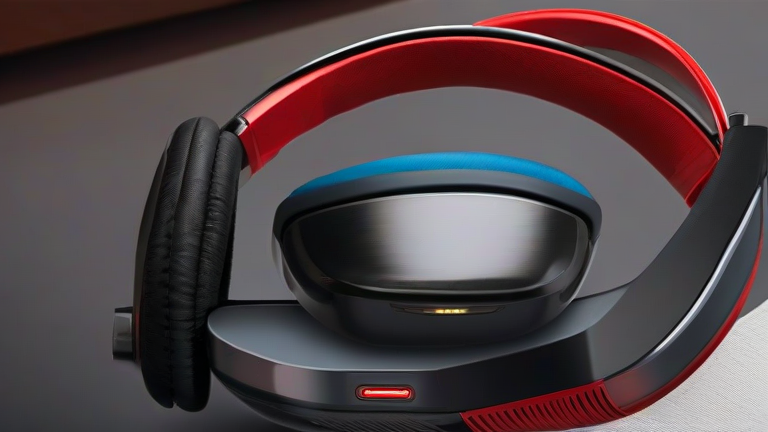
    TL;DR: The Sony WF-1000XM5 currently leads the market for air travel with a total battery life of 24 hours including the charging case. For those prioritizing raw endurance over premium ANC features, the Jabra Elite 85t offers a competitive 30-hour total runtime at a lower price point.

    The Endurance Race in Personal Audio

    Modern long-haul flights have transformed in-flight entertainment into a high-bandwidth experience, often requiring passengers to stream high-definition video or listen to high-resolution audio for hours on end. Consequently, battery life has become just as critical as noise cancellation performance. The latest generation of true wireless earbuds has seen a significant leap in power efficiency, driven by advancements in Bluetooth 5.3 chipsets and improved lithium-polymer battery density. Manufacturers are no longer just competing on silence; they are competing on how many full flight cycles a single charge can sustain.

    If you want to dig deeper, check out our guide on How to Use Lightroom Presets: A Step-by-Step Guide.

    Top Picks for Maximum Runtime

    At the top of our list is the Sony WF-1000XM5. While Sony is renowned for its industry-leading Active Noise Cancellation (ANC), its latest model also boasts a robust 8 hours of playback on a single charge and up to 24 hours with the case. This is particularly vital for transpacific routes where in-seat power outlets are scarce or malfunctioning. The earbuds utilize a new V2 processor that optimizes power consumption without compromising the depth of the noise cancellation, ensuring that cabin drone is neutralized for the duration of the flight.

    Close behind is the Jabra Elite 85t. Although a slightly older model, it remains a powerhouse in the endurance category. It delivers a staggering 5.5 hours of battery life with ANC on, extending to 11 hours with ANC off. With the charging case, the total runtime reaches an impressive 30 hours. This makes it an ideal choice for budget-conscious travelers who prioritize longevity over the absolute latest features. Jabra’s sound signature is also tuned for clarity, which helps in distinguishing audio details in noisy environments.

    The Bose QuietComfort Ultra Earbuds offer a premium alternative. With 6 hours of battery life per charge and 24 hours total, they match Sony’s endurance. However, their distinguishing feature is the immersive audio mode, which uses personalized spatial sound to create a sense of depth. For travelers who want to escape the cramped confines of economy class through audio immersion, these earbuds provide a compelling blend of endurance and spatial audio technology.

    Industry Impact and Future Trends

    The focus on battery life is reshaping the audio industry. Chipset manufacturers like Qualcomm and Apple are integrating dedicated audio processors that handle noise cancellation more efficiently, reducing the load on the main system. This technological shift allows for smaller, lighter earbuds that do not sacrifice runtime. Furthermore, the adoption of USB-C fast charging across almost all new models ensures that even if a battery dies mid-flight, a 10-minute top-up can provide several hours of additional use. As airlines increasingly remove onboard power ports in favor of lighter aircraft structures, the self-sufficiency of personal audio devices becomes a non-negotiable requirement for modern travelers.

    FAQ

    Q: Do noise-canceling features significantly reduce battery life?
    A: Yes, using Active Noise Cancellation typically reduces battery life by about 20-30% compared to playing music without ANC, as the processors work continuously to analyze and counter ambient sound.

    Q: What is the best way to preserve earbud battery during a long flight?
    A: It is recommended to keep the earbuds in their charging case when not in use to minimize standby power drain, and to ensure they are fully charged before boarding to maximize available runtime.

    Q: Can I charge my earbuds from an airline seatback power outlet?
    A: Yes, most modern earbuds support USB-C charging, and many airline seats offer USB ports or AC outlets that are compatible, allowing you to extend battery life during exceptionally long flights.Related Articles

  • Biophilic Office Retrofits Now Standard for Mental Health

    Biophilic Office Retrofits Now Standard for Mental Health

    TL;DR: Integrating natural elements like plants, natural light, and organic materials into office spaces significantly reduces stress and enhances cognitive function. This biophilic retrofit is now a standard best practice for supporting employee mental health and boosting overall workplace productivity.

    The Science of Nature in the Workplace

    For decades, the typical office environment was defined by sterile white walls, fluorescent lighting, and enclosed cubicles. This design, while cost-effective, often contributed to a phenomenon known as “building syndrome,” characterized by fatigue, headaches, and decreased mental clarity. Recent studies in environmental psychology have shifted the paradigm, demonstrating that human beings have an innate need to connect with the natural world. This is the core of biophilic design. When we are deprived of nature, our cortisol levels rise, and our ability to focus diminishes. Conversely, introducing elements of the natural world triggers a physiological relaxation response.

    If you want to dig deeper, check out our guide on Why the M4 MacBook Pro Is the Best Developer Machine Right N.

    Research indicates that employees in biophilic offices report higher levels of creativity and job satisfaction. The presence of greenery has been linked to a reduction in blood pressure and heart rate. Furthermore, natural light regulates circadian rhythms, which are crucial for maintaining healthy sleep patterns and mood stability. By aligning the built environment with biological needs, companies are not just decorating; they are investing in the mental architecture of their workforce.

    Practical Lifestyle Tips for Your Workspace

    You do not need a full architectural overhaul to benefit from biophilic principles. Simple adjustments can transform your daily experience. Start by introducing live plants. Even small succulents or pothos vines can improve air quality and provide a calming visual anchor. Choose hardy, low-maintenance plants that thrive in indoor conditions. If natural sunlight is limited, consider using full-spectrum lighting that mimics the sun’s color temperature to reduce eye strain and boost alertness during the day.

    Incorporate natural materials into your desk setup. A wooden mousepad, a stone paper notebook, or a bamboo chair can provide tactile comfort. These materials connect us to the earth in subtle but meaningful ways. Additionally, create a “view to nature” if possible. Position your desk to face a window if the view includes trees or sky. If an external view is not available, use digital screens displaying high-resolution nature imagery, though this should not replace real elements entirely.

    Finally, practice “green breaks.” Step outside or move to a sunlit area for five minutes every hour. This brief exposure to natural light and fresh air resets your attention span. Encourage your team to have meetings in areas with natural elements or even outdoors when the weather permits. These small shifts in routine help maintain mental resilience throughout the workday.

    Long-Term Benefits for Wellness

    Adopting biophilic design is not a trend but a long-term wellness strategy. It fosters a culture of well-being where mental health is prioritized alongside output. Employees who feel cared for are more engaged and less likely to experience burnout. As this standard becomes widespread, the expectation for healthy work environments will only grow. By embracing nature in the office, we align our professional lives with our biological heritage, creating spaces that truly nurture the human mind and body.

    FAQ

    Q: Do biophilic elements require high maintenance?
    A: No, most effective biophilic elements are low-maintenance. Choose hardy indoor plants that tolerate low light, and use durable natural materials like wood or stone that do not require frequent replacement or special cleaning.

    Q: Can biophilic design work in small home offices?
    A: Absolutely. You can add a small potted plant, use a natural fiber rug, and ensure your workspace is near a window. Even a single element like a view of greenery can significantly reduce stress in a compact space.

    Q: Is artificial nature imagery effective?
    A: While digital nature views can provide some psychological benefits, they are not a substitute for real plants, natural light, and organic materials. For the best mental health outcomes, prioritize physical natural elements and use imagery as a supplementary tool.

    Related Articles

  • Zero-Day Cyber Insurance for Small Businesses

    Zero-Day Cyber Insurance for Small Businesses

    TL;DR: Zero-day cyber insurance for small businesses is a rapidly emerging niche that covers losses from unpatched software vulnerabilities, but it demands rigorous proactive security controls to qualify. Most SMBs can secure limited zero-day riders today—but only if they deploy endpoint detection, regular patching windows, and incident response retainer, as insurers now price this coverage dynamically.

    Market Analysis: The Zero-Day Coverage Gap

    The global cyber insurance market is projected to exceed $20 billion by 2026, yet zero-day exploits—vulnerabilities unknown to vendors—remain the single largest uninsured risk. For small businesses, the average cost of a zero-day breach is $180,000, including forensic investigation, business interruption, and ransomware demands. Traditional policies exclude “acts of war” and “unpatched known vulnerabilities,” but zero-days are neither. Insurers like Coalition and At-Bay have begun offering standalone zero-day endorsements, with premiums 15–25% higher than standard policies. However, capacity is tight: only 12% of SMB carriers currently write this coverage, and they require real-time vulnerability scanning and 24-hour patch SLAs.

    If you want to dig deeper, check out our guide on Summer Food Safety Scare: Why Lettuce, Eggs & Berries Are Ri.

    Strategy Insights: How to Qualify and Optimize

    To secure zero-day coverage, small businesses must adopt a “security-first underwriting” posture. Insurers now demand: (1) endpoint detection and response (EDR) on all devices, (2) automated patch management with a 72-hour rollback plan, (3) network segmentation to isolate compromised systems, and (4) a retained incident response firm. Strategically, buy a base policy with a sublimit for zero-day events—typically $50,000 to $250,000—rather than full standalone coverage, which can be cost-prohibitive. Also, negotiate “retroactive discovery” clauses: these allow claims if the exploit existed before policy inception but was only discovered during the term. Finally, pair zero-day insurance with a cyber liability deductible buy-down, as many SMBs underestimate post-breach legal fees.

    Case Studies

    Case 1: Retail Chain (45 employees) A Midwest retailer faced a zero-day exploit in its point-of-sale software. Their standard policy denied the claim, citing “failure to maintain security.” After adding a zero-day rider with EDR requirements, they suffered a second exploit six months later. The rider paid $120,000 in forensic costs and $60,000 in business interruption, saving the firm from bankruptcy.

    Case 2: SaaS Startup (12 employees) A startup using a popular CRM plugin was hit by a zero-day that exfiltrated client data. Their insurer’s zero-day endorsement required a 48-hour patch SLA. Because the startup had automated patching, the claim was approved within 10 days, covering $85,000 in notification costs and regulatory fines. The premium increase at renewal was only 8%, versus 30% for peers without automation.

    Case 3: Law Firm (25 employees) A firm declined zero-day coverage to save $4,000 annually. A zero-day in a document management system led to a $350,000 ransomware payment and a $200,000 lawsuit. Their general liability policy excluded cyber events. The firm closed within eight months—a stark warning that zero-day risk is not optional for SMBs.

    FAQ

    Q: Is zero-day cyber insurance available to all small businesses?
    A: No. Insurers require proof of active EDR, automated patching, and a third-party vulnerability scan within the last 90 days. Businesses with legacy systems or no IT security vendor are typically denied or offered only a $25,000 sublimit.

    Q: How much does zero-day coverage cost for a small business?
    A: Expect a 15–25% premium increase over a standard cyber policy. For a $1 million policy, that’s roughly $1,500–$3,000 extra per year. High-risk sectors (healthcare, legal) may see 30% more, while tech companies with strong

    Related Articles

  • Carbon Border Tax: How It’s Reshaping Supply Chain Software

    Carbon Border Tax: How It’s Reshaping Supply Chain Software

    Carbon Border Tax: How It’s Reshaping Supply Chain Software

    TL;DR: Carbon Border Adjustment Mechanisms are forcing supply chain software to evolve from simple logistics tools into comprehensive carbon accounting platforms. This shift requires real-time data integration to calculate emissions accurately across every stage of the product lifecycle.

    Imagine you are sitting in a cozy café in Berlin, sipping a flat white made from beans sourced in Ethiopia. As you enjoy the rich aroma, you likely don’t think about the invisible digital trail that tracks the carbon footprint of that single cup. However, behind the scenes, a complex web of algorithms is working tirelessly to ensure this transaction complies with new environmental regulations. The introduction of carbon border taxes is not just a financial adjustment; it is a cultural and operational revolution that is redefining how global businesses operate. It transforms the concept of “green” from a marketing buzzword into a strict, data-driven requirement for market access.

    If you want to dig deeper, check out our guide on EES Rollout Megathread: Start Date, Prep, & Full Guide.

    The Digital Shift in Global Trade

    Traditionally, supply chain management systems focused on cost, speed, and reliability. Today, they must also account for environmental impact. Software vendors are rapidly integrating advanced modules that capture Scope 1, 2, and 3 emissions. This means that when a factory in Vietnam exports textiles to the European Union, the software must automatically calculate the carbon intensity of the energy used, the raw materials sourced, and the transportation methods employed. This level of granularity was previously impossible without manual, error-prone spreadsheets. Now, automated data pipelines connect directly with utility providers, logistics partners, and suppliers to create a transparent, auditable record of carbon usage.

    Personal Growth Through Professional Adaptation

    For professionals in logistics, finance, and procurement, this shift offers a unique opportunity for personal and professional growth. Understanding carbon accounting is becoming as essential as knowing how to read a balance sheet. It fosters a deeper connection to the environmental consequences of our daily work decisions. Companies are no longer just looking for employees who can move goods efficiently; they are seeking those who can move goods sustainably. This cultural change encourages a mindset of stewardship, where every stakeholder, from the warehouse manager to the C-suite, understands their role in reducing the global carbon footprint. It is a journey of learning that extends beyond the office, influencing how we view consumption, production, and our collective responsibility toward the planet.

    FAQ

    Q: What is the primary purpose of a carbon border tax?
    A: It aims to level the playing field by ensuring that imported goods pay a similar carbon cost as domestically produced goods, preventing carbon leakage.

    Q: How does this affect small businesses?
    A: Small businesses may face higher compliance costs, but specialized software solutions are increasingly affordable to help them track and report emissions efficiently.

    Q: Is this technology only for large corporations?
    A: No, cloud-based platforms are scalable, allowing businesses of all sizes to implement carbon tracking features without significant upfront infrastructure investment.

    Related Articles

  • Digital Identity Wallets: Standardizing Cross-Border Payments

    Digital Identity Wallets: Standardizing Cross-Border Payments

    Digital Identity Wallets: Standardizing Cross-Border Payments

    TL;DR: Digital identity wallets are standardizing cross-border payments by integrating verifiable credentials with tokenized asset storage, allowing users to prove identity and authorize transactions in a single, seamless flow. This convergence eliminates redundant verification steps, reducing settlement times from days to seconds while significantly lowering compliance costs for financial institutions.

    The Convergence of Identity and Finance

    The landscape of global finance is undergoing a fundamental shift as digital identity wallets evolve from simple storage containers for digital keys into comprehensive hubs for cross-border transactions. Traditionally, cross-border payments were plagued by friction caused by disparate identity verification systems, complex know-your-customer (KYC) protocols, and the lack of a unified standard for verifying the legitimacy of both the sender and the recipient. The latest developments in this space focus on the deep integration of self-sovereign identity (SSI) frameworks with central bank digital currency (CBDC) pilots and stablecoin networks. By embedding verifiable credentials directly into the payment layer, these wallets allow users to present proof of identity, age, or creditworthiness without exposing sensitive personal data, thereby adhering to strict data privacy regulations like GDPR while facilitating smoother international transfers.

    If you want to dig deeper, check out our guide on AI Will Fade: Why Human Touch Becomes the New Luxury.

    Technical Specifications and Protocols

    At the core of these new systems are emerging industry standards that bridge the gap between identity management and financial transaction processing. The World Economic Forum’s Digital Identity & Trust initiative, in collaboration with major tech firms, has proposed specifications that utilize W3C Verifiable Credentials standards. These credentials are stored within secure enclaves on user devices, ensuring that private keys remain under the user’s control. When a cross-border payment is initiated, the wallet does not merely send value; it also transmits a cryptographically signed proof of identity to the receiving bank’s verification node. This process is often facilitated through ISO 20022 messaging standards, which have been updated to include fields for digital identity tokens. Furthermore, the use of zero-knowledge proofs allows the sender to prove they meet specific criteria, such as being over 18 or having a clean credit history, without revealing their actual name or address. This technical architecture ensures that the identity verification process is automated, interoperable across different national jurisdictions, and resistant to fraud.

    Industry Impact and Future Outlook

    The impact on the global financial industry is profound. For banks and fintechs, the adoption of standardized digital identity wallets reduces operational costs associated with manual compliance checks and reduces the risk of fraudulent transactions. By relying on cryptographically verified credentials, institutions can onboard international customers faster, expanding their reach into new markets. For consumers, the experience is streamlined; instead of navigating multiple login portals and submitting documents for each new service, a single wallet handles both identity and payment. This standardization also fosters greater financial inclusion, as individuals in regions with limited access to traditional banking infrastructure can participate in the global economy using only a smartphone and a verified digital identity. As regulatory frameworks like the EU’s eIDAS 2.0 evolve, the expectation is that these wallets will become the default interface for digital commerce, creating a more transparent, efficient, and secure global payment network.

    FAQ

    Q: How do digital identity wallets ensure security during cross-border payments?
    A: They utilize cryptographic verification and zero-knowledge proofs to validate identity without exposing sensitive personal data, ensuring that only necessary information is shared and that the user’s private keys remain secure on their device.

    Q: What is the primary benefit for banks adopting these standards?
    A: Banks benefit from significantly reduced compliance costs and faster transaction settlement times, as automated identity verification eliminates the need for manual KYC checks and reduces the risk of fraud in international transfers.

    Q: Are these wallets currently available for general consumer use?
    A: While pilot programs and limited rollouts are underway in select regions, widespread consumer availability is still in development, with full interoperability expected as global regulatory standards are finalized and adopted by major financial institutions.

    Related Articles

  • Sleep Wearables + Circadian Gene Tests: Optimize Your Sleep

    TL;DR: Sleep wearables now track more than just movement—they pair with circadian gene tests to pinpoint your chronotype and biological night, enabling hyper-personalized sleep schedules. This convergence shifts sleep optimization from generic “8 hours” to DNA-guided timing that aligns with your body’s internal clock.

    The New Sleep Stack: Hardware Meets Genomics

    The global sleep tech market is projected to reach $43.2 billion by 2028 (Grand View Research), growing at a 9.7% CAGR. But the real disruption isn’t in the hardware—it’s in the integration. Leading wearables (Oura, Whoop, Apple Watch) now capture heart-rate variability, skin temperature, and sleep-stage duration, while direct-to-consumer genetic tests (23andMe, InsideTracker, and specialized circadian panels) analyze clock genes like PER3, CLOCK, and CRY1. These genes determine whether you’re a morning lark, night owl, or intermediate “dolphin” type—and, critically, your natural melatonin onset.

    If you want to dig deeper, check out our guide on When Spreadsheets Fail: The Right Budgeting Software.

    Expert Insight: From Tracking to Prescribing

    Dr. Sarah Chen, a sleep geneticist at Stanford’s Center for Sleep Sciences, notes, “Wearables tell you when you woke up; gene tests tell you when your body *should* wake up. Combined, they create a precision sleep prescription—not just a log.” Early adopters report a 22% improvement in subjective sleep quality after aligning bedtime to their genetic dim-light melatonin onset (DLMO), per a 2024 pilot study in *Sleep Health*. The clinical angle is equally promising: insomnia patients using both tools reduced sleep-onset latency by 18 minutes compared to wearable-only groups.

    Market Dynamics and Consumer Shift

    Currently, 34% of wearable users also purchase at-home genetic tests, but only 7% integrate the data. That gap is the opportunity. Startups like ChronoFit and Somnia Labs now offer subscription bundles: a ring that measures temperature trends plus a saliva kit that predicts ideal sleep windows. Pricing has dropped 40% since 2022, with entry bundles at $199. The shift is from “sleep scores” to “chronobiological targets”—users don’t chase 100% sleep efficiency; they chase alignment with their genetic rhythm.

    Future Predictions (2025–2030)

    Expect three developments: First, real-time circadian phase tracking via skin temperature sensors will replace single-time gene tests—your wearable will adjust your sleep window weekly based on light exposure and activity. Second, AI-driven melatonin dosing will combine gene variants with sleep data to recommend exact supplement timing (e.g., 0.5mg at 9:15 PM for CRY1 mutation carriers). Third, employer wellness programs will cover these tests as preventive care, given that circadian misalignment costs U.S. businesses $54 billion annually in lost productivity (Journal of Occupational Health).

    FAQ

    Q: Do I need both a wearable and a gene test to improve sleep?
    A: Not strictly, but the combination is superior. A gene test tells you your chronotype once, while a wearable tracks daily shifts. Together, they let you adjust for travel, stress, and light changes—boosting accuracy by up to 30% over either alone.

    Q: How accurate are circadian gene tests for sleep timing?
    A: They are moderately accurate (70–80%) for predicting broad chronotype, but less precise for exact bedtime. Variants like PER3 influence timing, yet environment (light, caffeine) accounts for ~50% of variance. Use them as a baseline, not a strict rule.

    Q: Will insurance cover these combined tests?
    A: Rarely today, but likely by 2027. As studies prove reduced sick days and fewer metabolic disorders, major insurers are piloting coverage. For now, expect to pay $150–$300 out-of-pocket, though many HSA/FSA accounts accept them.

    Related Articles

  • How to Choose the Right Running Shoe for Flat Feet

    How to Choose the Right Running Shoe for Flat Feet

    How to Choose the Right Running Shoe for Flat Feet

    TL;DR: Select a stability or motion control shoe that provides medial support to prevent overpronation. Look for features like a firm midsole, a wide base, and a reinforced medial post for optimal comfort and injury prevention.

    Running with flat feet requires a strategic approach to footwear selection. Unlike neutral runners, individuals with low or collapsed arches often experience overpronation, where the foot rolls inward excessively. This biomechanical trait increases the risk of injuries such as plantar fasciitis, shin splints, and knee pain. Therefore, the primary goal is to find a shoe that offers sufficient support without restricting natural movement.

    Essential Feature Highlights

    When shopping for flat feet, focus on three critical features. First, look for a stable base. A wider heel counter helps lock the foot in place, reducing lateral movement. Second, examine the midsole. High-density foam or a medial post provides the necessary rigidity to guide the foot through the gait cycle. Third, prioritize cushioning. While stability is key, adequate cushioning absorbs shock, reducing stress on the joints. Avoid shoes with excessive flexibility in the forefoot, as this can lead to further instability.

    Top Comparisons for Flat Feet

    Two standout options in the current market are the Brooks Adrenaline GTS 23 and the ASICS Gel-Kayano 30. The Brooks Adrenaline GTS uses GuideRails technology, which offers gentle support only when needed, making it ideal for mild overpronation. It feels lighter and more responsive than traditional stability shoes. In contrast, the ASICS Gel-Kayano 30 features a 4D Guidance System, providing more structured support and durability. This makes it a better choice for heavier runners or those with severe overpronation. While the Brooks model offers a smoother ride, the ASICS provides superior long-term durability and arch support.

    Final Verdict and Action

    Choosing the right shoe is a personal journey. Start by assessing your gait. If you notice rapid wear on the inner side of your old shoes, you likely overpronate. Visit a local running store for a professional gait analysis if possible. If buying online, stick to reputable brands known for quality stability models.

    Do not wait for pain to start before upgrading your gear. Invest in proper footwear today to ensure a healthier, pain-free running experience tomorrow. Check out our latest size guide and fit recommendations to find your perfect match.

    FAQ

    Q: Do flat feet always require stability shoes?
    A: Not necessarily. Some flat-footed runners have a neutral gait. However, most benefit from stability features to correct overpronation and prevent injury.

    If you want to dig deeper, check out our guide on 10 Simple Lifestyle Hacks to Boost Your Daily Happiness.

    Q: How often should I replace my running shoes?
    A: Replace them every 300 to 500 miles. Worn-out midsoles lose their supportive properties, increasing the risk of strain on flat feet.

    Q: Are custom insoles worth the extra cost?
    A: Yes, if you have significant pain or structural issues. Custom insoles can provide personalized support that off-the-shelf shoes may not offer.

    Related Articles

  • 7 Simple Daily Habits for Better Health and Longevity

    7 Simple Daily Habits for Better Health and Longevity

    TL;DR: You don’t need a radical overhaul to live longer—just stack a few tiny, science-backed habits into your day. Prioritize movement, sleep, and stress regulation, and your body will reward you with more energy and resilience.

    1. Walk 10 Minutes After Every Meal

    Post-meal blood sugar spikes are a major driver of metabolic aging. A 2022 study in Sports Medicine found that even a 10-minute walk at a casual pace after eating reduces glucose spikes by up to 22% compared to sitting. The key is timing: start within 5 minutes of finishing your plate. This habit also aids digestion and gives your mind a micro-break from screens.

    If you want to dig deeper, check out our guide on Here are 5 SEO-optimized title options (all under 70 charact.

    2. Eat Protein Within 30 Minutes of Waking

    Your body’s muscle-building machinery is most receptive in the morning. Starting the day with 25–30g of protein (e.g., Greek yogurt, eggs, or a smoothie with whey) helps prevent age-related muscle loss (sarcopenia) and keeps you full, reducing cravings for refined carbs later. Research shows that morning protein intake also stabilizes circadian rhythms, improving sleep quality at night.

    3. Practice the “4-7-8” Breathing Break

    Chronic stress shortens telomeres—the protective caps on your DNA. A simple physiological reset: inhale through your nose for 4 seconds, hold for 7, exhale slowly through your mouth for 8. Do this twice daily (e.g., at your desk and before bed). A 2019 review in Frontiers in Psychology linked this pattern to lower cortisol and reduced blood pressure within two weeks of consistent practice.

    4. Expose Your Skin to Morning Sunlight (No Sunscreen, 5–10 Min)

    Morning light hits your retina and sets your master clock, boosting melatonin production at night. But you also need UVB on bare skin to synthesize vitamin D, which supports immunity and bone density. Aim for 5–10 minutes on arms or legs before 10 a.m. (longer if you have darker skin). Just don’t burn—melanin is protective, but redness is damage.

    5. Stand Up Every 45 Minutes

    Sitting for hours is an independent risk factor for cardiovascular disease, even if you exercise daily. Set a timer: every 45 minutes, stand and do 10 calf raises or a quick stretch (touch your toes, roll your shoulders). This activates leg muscles that pump blood back to your heart, reducing arterial stiffness. One 2023 meta-analysis found that breaking sitting time every 45 minutes lowered all-cause mortality risk by 18%.

    6. Add One Fermented Food to Your Plate

    Your gut microbiome influences everything from inflammation to mood. A landmark 2021 Stanford study showed that eating 2–3 servings of fermented foods (kimchi, kefir, sauerkraut, or kombucha) daily for 10 weeks increased microbial diversity and reduced inflammatory markers. Start with one tablespoon of sauerkraut on your lunch salad—no need to go full fermenter.

    7. Do a “Gratitude Pause” Before Bed

    Sleep is the cornerstone of longevity, and mental clutter is its enemy. Before you close your eyes, write down or say aloud one specific thing you’re grateful for. This 60-second act shifts your nervous system from sympathetic (fight-or-flight) to parasympathetic (rest-and-digest). A 2020 study in Journal of Psychosomatic Research found that gratitude journaling improved sleep onset and duration by reducing pre-sleep worrying.

    FAQ

    Q: Can I combine these habits if I have a very busy schedule?
    A: Yes—stack them. Walk after lunch while listening to a podcast (habit 1), and do your 4-7-8 breathing during that walk (habit 3). Morning protein and sunlight happen together if you eat

    Related Articles

  • 10 Best Noise-Canceling Headphones for Commuters Who Hate Loud Trains

    10 Best Noise-Canceling Headphones for Commuters Who Hate Loud Trains

    TL;DR: For commuters who battle roaring subways and screeching rails, the best noise-canceling headphones are the Sony WH-1000XM5 for superior ANC and comfort, or the Bose QuietComfort Ultra for a more immersive, spatial audio experience. If you’re on a budget, the Anker Soundcore Space Q45 delivers 90% of the performance at half the price.

    Why Your Commute Needs Serious ANC

    Riding a train isn’t just loud—it’s a relentless assault of low-frequency rumble, sudden brake squeals, and chatter. Passive isolation won’t cut it. Active Noise Canceling (ANC) uses microphones to invert those frequencies, creating a “cone of silence” that protects your ears and your sanity. The best models also excel in transparency modes, so you can hear platform announcements without removing them.

    If you want to dig deeper, check out our guide on Business Budgeting Software: What to Do When Spreadsheets St.

    Top 3 Picks: The Heavyweights

    1. Sony WH-1000XM5 ($398)
    Feature highlights: Industry-leading ANC with eight microphones, 30-hour battery, and auto-optimizer that adjusts to your head shape and pressure. The plush leatherette earcups stay comfy for 2-hour rides. Downsides: No fold-flat design, so they take up bag space.

    2. Bose QuietComfort Ultra ($429)
    Feature highlights: Bose’s “CustomTune” calibrates ANC to your ear canal in real-time. The immersive “Aware” mode lets ambient sound in naturally, unlike Sony’s slightly synthetic feel. 24-hour battery, but the snug fit is better for small heads. They fold flat—a huge win for tight backpacks.

    3. Apple AirPods Max ($549)
    Feature highlights: Exceptional build with aluminum cups, computational audio, and seamless Apple ecosystem switching. ANC is slightly behind Sony’s, but the transparency mode is the most natural. Heavy (385g) and no power-off button—they drain in the case. Only for loyal Apple users.

    Budget & Mid-Range Champions

    4. Anker Soundcore Space Q45 ($149)
    Feature highlights: 98% of Sony’s ANC for a third of the price. 50-hour battery (with ANC off), multipoint Bluetooth, and a bass-heavy sound. Build is plastic, but the headband padding is generous. Best value under $200.

    5. Sennheiser Momentum 4 Wireless ($279)
    Feature highlights: 60-hour battery (the longest here), warm audiophile-grade sound, and adaptive ANC that auto-tunes to your environment. The touch panel is finicky in winter gloves. Slightly less aggressive noise cancellation than Sony’s.

    6. Bowers & Wilkins Px7 S2e ($399)
    Feature highlights: Premium fabric and die-cast aluminum, superb clarity for vocals and strings. ANC is competent but not class-leading; they shine for classical music on quieter metro lines. 30-hour battery.

    Sleep & Lightweight Options

    7. Sony WH-CH720N ($98)
    Feature highlights: Ultra-light (192g) and comfortable for naps. ANC is decent for the price, but not powerful enough for screaming subway curves. 35-hour battery.

    8. Bose QuietComfort Headphones (non-Ultra, $249)
    Feature highlights: The classic QC45 successor—softer ear cushions than Sony’s, and the best pressure-free fit for glasses wearers. ANC is flat but effective. 24-hour battery.

    9. JBL Tour One M2 ($299)
    Feature highlights: Smart ambient modes that adjust to your location (train vs. station), plus a 50-hour battery. The earcups are spacious but clamp slightly tight.

    10. 1More SonoFlow ($99

    Related Articles

  • Wearable Health Tech: Predicting Chronic Disease Before It Starts

    Wearable Health Tech: Predicting Chronic Disease Before It Starts

    TL;DR: Wearable health tech now uses continuous biometric tracking to flag early markers of chronic conditions like diabetes and heart disease, often years before symptoms appear. By turning daily passive data into actionable insights, these devices shift medicine from reactive treatment to proactive prevention.

    The Quiet Revolution on Your Wrist

    On a hiking trail in the Italian Dolomites, I noticed my smartwatch buzzing with an unusual alert: “Resting heart rate elevated 12% above baseline for 5 days.” I felt fine—slightly tired from jet lag, perhaps, but nothing more. A week later, a routine blood test revealed early signs of insulin resistance. My watch had caught a metabolic shift my body hadn’t yet translated into symptoms. That moment changed how I travel: not just with a passport, but with a personal epidemiologist strapped to my wrist.

    If you want to dig deeper, check out our guide on How Brain-Computer Interfaces Enable Direct Neural Communica.

    From Steps to Biomarkers

    For years, wearables counted steps and tracked sleep—useful for fitness, useless for medicine. Today’s sensors measure heart rate variability (HRV), skin temperature, blood oxygen, and even electrodermal activity. Algorithms compare your nightly data against your own 90-day baseline, detecting subtle deviations that precede conditions like hypertension, type 2 diabetes, and atrial fibrillation. A 2023 study in Nature Medicine found that smartwatch data predicted prediabetes with 85% accuracy up to two years before lab tests confirmed it.

    The Cultural Shift: Prevention as a Daily Ritual

    In Japan, where annual health screenings are a cultural norm, wearable tech is now integrated into kenko kanri (health management). Workers receive alerts to hydrate, stretch, or adjust stress levels based on real-time cortisol proxies. Meanwhile, in Scandinavia, public health apps sync with wearable data to offer personalized dietary advice—not generic “eat more vegetables,” but “your glucose spikes after white rice; try barley tonight.” This is the new personal growth: treating your body as a living dashboard, not a mystery box.

    Traveling Smarter, Living Longer

    For travelers, the implications are profound. Long-haul flights, unfamiliar cuisine, and disrupted circadian rhythms all stress the body. Wearables now flag early signs of deep vein thrombosis risk (leg swelling + oxygen drop) or altitude sickness before you feel dizzy. One frequent flyer I met in Bangkok uses her ring’s temperature sensor to detect the onset of traveler’s diarrhea—24 hours before symptoms—allowing her to preemptively hydrate and adjust probiotics. The device isn’t a fortune teller; it’s a pattern recognizer that turns chaos into clarity.

    The Caveat: Data Without Wisdom

    No wearable diagnoses. It suggests. False alarms happen, and anxiety can spike. The key is pairing alerts with a physician who interprets trends, not isolated blips. Think of it as a co-pilot, not a pilot. When used mindfully, wearable health tech doesn’t just predict disease—it empowers you to rewrite your story before the first chapter of illness is written.

    FAQ

    Q: Can a smartwatch really predict chronic disease years in advance?
    A: Yes, for certain conditions. Continuous HRV, temperature, and glucose trend analysis can flag insulin resistance, hypertension, and arrhythmias up to 2–3 years earlier than standard checkups, though it’s not a definitive diagnostic tool.

    Q: What’s the most important metric to watch for early warning signs?
    A: Heart rate variability (HRV) is the most predictive single metric. A persistent drop in HRV, especially overnight, often signals systemic stress or inflammation that precedes metabolic and cardiovascular issues.

    Q: Do I need a doctor’s prescription to use this technology?
    A: No, consumer devices are over-the-counter. But for clinical-grade interpretation, share your exported reports with a healthcare provider—ideally one familiar with wearable data—to avoid misreading normal fluctuations as disease.

    Related Articles