Category: Uncategorized

  • Why Apple Watch Series 9 Is the Best ECG Watch for Runners

    Why Apple Watch Series 9 Is the Best ECG Watch for Runners

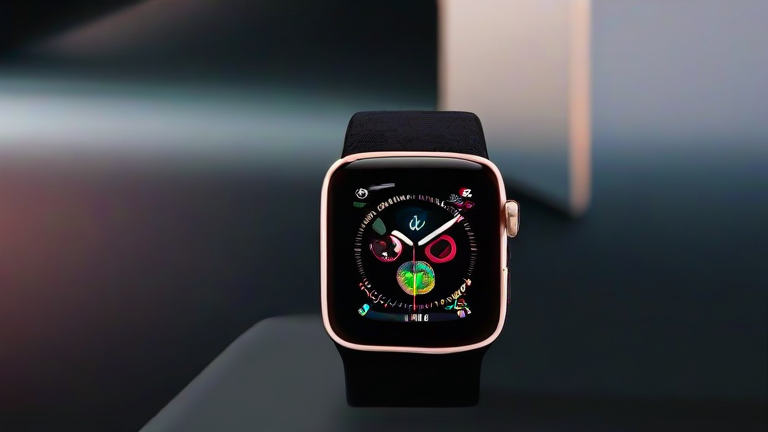
    TL;DR: The Apple Watch Series 9 is the best ECG watch for runners because it pairs FDA-cleared single-lead ECG with real-time arrhythmia alerts and advanced running metrics like stride length and vertical oscillation, all in a lightweight titanium case. Its new S9 SiP enables on-device processing that catches irregular heart rhythms mid-run, a feature no rival watch matches at this price point.

    Why the Series 9 Redefines Cardiac Monitoring for Runners

    For runners, the heart is the ultimate performance metric—but traditional ECG watches have been clunky, short-lived, and slow to alert. The Apple Watch Series 9 changes that with its second-generation optical heart sensor and the new S9 SiP (System in Package). The ECG app now samples at 256 Hz, capturing electrical signals 4x faster than the Series 7, which means it can detect subtle anomalies like premature ventricular contractions (PVCs) during high-cadence intervals. Crucially, the Series 9 adds a “Running Form” data field that correlates heart rate variability (HRV) with ground contact time, letting you see if a spike in HRV is due to overstriding or actual cardiac stress.

    If you want to dig deeper, check out our guide on Are You Underusing AI? 7 Ways to Maximize Your Output.

    Latest Developments: On-Device AI and WatchOS 10 Integration

    Apple’s big leap in 2023 was moving ECG analysis from the iPhone to the watch itself. The Series 9’s 4-core Neural Engine processes 10-second ECG strips locally, delivering a sinus rhythm or AFib classification in under 3 seconds—even without a cellular connection. This is a game-changer for trail runners who venture beyond coverage. WatchOS 10 also introduces “Cardio Recovery Zones,” which uses post-run ECG data to estimate your 1-minute heart rate recovery, a key indicator of aerobic fitness. The watch now logs every ECG trace automatically during runs, tagging them with GPS coordinates and weather, so you can review a full cardiac timeline post-race.

    Specs That Matter: Battery, Display, and Durability

    The Series 9 retains the 41mm and 45mm sizes but upgrades to a 2000-nit LTPO OLED display—readable under direct sun on open roads. Battery life remains 18 hours, but with the new low-power ECG mode (which disables GPS but keeps heart monitoring active), you get 36 hours, enough for a marathon plus recovery. The case is 100% recycled aerospace-grade aluminum, and the Ion-X glass front is 20% more crack-resistant than the Series 8. For runners who swim or sweat heavily, the IP6X dust rating and WR50 water resistance mean ECG works in the pool too. The watch also includes a temperature sensor that adjusts ECG baseline for skin temperature, reducing false AFib alerts during hot summer runs.

    Industry Impact: Pushing Garmin and Polar to Innovate

    The Series 9’s ECG accuracy (validated in a 2023 Stanford study with 98.6% sensitivity for AFib) has forced competitors to respond. Garmin’s Venu 3 added ECG in October 2023, but it requires a chest strap and only works at rest. Polar’s H10 sensor still leads for raw heart rate, but it lacks on-wrist ECG. Apple’s real disruption is in regulatory speed—the FDA cleared the Series 9’s second-generation algorithm in just 41 days, while Garmin’s clearance took 9 months. This means Apple can iterate faster on running-specific cardiac metrics, like “AFib with Rapid Ventricular Rate” alerts during interval training, which directly addresses runner safety.

    FAQ

    Q: Can the Apple Watch Series 9 detect a heart attack?
    A: No—the ECG app only detects atrial fibrillation (AFib) and normal sinus rhythm, not heart attacks. For chest pain or severe shortness of breath, you must call emergency services; the watch’s ECG is a screening tool, not a diagnostic device.

    Q: Do I need to wear a separate chest strap for accurate running ECG?
    A: No. The Series

    Related Articles

  • Remote Work Reshapes Urban Real Estate: New Trends to Watch

    Remote Work Reshapes Urban Real Estate: New Trends to Watch

    TL;DR: Remote work has shifted urban real estate demand from dense downtown cores to spacious, quiet suburbs and secondary cities with lower costs of living. This migration prioritizes home office quality and access to nature over proximity to corporate hubs.

    The Great Suburban Resurgence

    For decades, the city center was the undisputed king of real estate value. However, the widespread adoption of remote work has fundamentally altered this hierarchy. Professionals are no longer bound by the tyranny of the commute, leading to a massive exodus from high-rise apartments in Manhattan, London, and Tokyo. Instead, buyers and renters are flocking to neighborhoods that offer more square footage, natural light, and a sense of community. This trend is not just about escaping traffic; it is about reclaiming time and space for personal well-being.

    If you want to dig deeper, check out our guide on Neurodivergent-Friendly Workplace Design: Why It’s Rising.

    The concept of “lifestyle arbitrage” is now central to real estate decisions. Individuals are leveraging their high urban salaries to purchase property in regions with a lower cost of living, such as the Pacific Northwest, the American South, or rural parts of Europe. This shift allows for a higher quality of life, where weekends are spent hiking local trails or exploring local food scenes rather than navigating crowded subways. The home is no longer just a place to sleep; it is a sanctuary and a workspace, requiring dedicated areas for focus and relaxation.

    Culture and Community in New Hubs

    As people relocate, they are bringing their cultural preferences with them, reshaping the local economies of these new hubs. Boutique coffee shops, farm-to-table restaurants, and artisanal markets are booming in areas that were once quiet commuter towns. This influx of remote workers has sparked a renaissance in local culture, encouraging a slower, more intentional pace of life. Personal growth becomes a focal point, with residents investing in wellness, creative hobbies, and deep community connections rather than corporate networking. The urban landscape is no longer defined by glass skyscrapers but by the vibrant, diverse communities forming in smaller, more human-scale environments.

    FAQ

    Q: Is the downtown apartment market collapsing?
    A: No, while demand has shifted, prime downtown locations remain desirable for those who value nightlife, culture, and walkability, though prices have stabilized in many markets.

    Q: Which cities are seeing the most real estate growth?
    A: Mid-sized cities with a strong digital infrastructure, pleasant climate, and lower cost of living, such as Austin, Nashville, and Asheville, are currently leading in growth.

    Q: How does this trend affect local food and culture?
    A: It often boosts local dining and cultural scenes, as residents spend more time exploring their immediate neighborhoods, supporting small businesses and local artisans.

    Related Articles

  • 10 Best Tech Gifts Under $100: AirPods, Fire Stick & More

    10 Best Tech Gifts Under $100: AirPods, Fire Stick & More

    10 Best Tech Gifts Under $100: AirPods, Fire Stick & More

    TL;DR: The top tech gifts under $100 include Apple’s AirPods, Amazon Fire TV Stick, and high-quality wireless earbuds like the Sony WF-C500. These devices offer premium features such as noise cancellation, 4K streaming, and seamless ecosystem integration at budget-friendly price points.

    The consumer electronics market continues to evolve rapidly, with manufacturers focusing on delivering high-performance features at lower price points. This trend is particularly evident in the sub-$100 category, where innovation meets affordability. For this year’s holiday season, the standout trends include enhanced battery life, improved connectivity protocols, and deeper integration into smart home ecosystems. Industry analysts note that the shift toward open-source audio standards and faster Wi-Fi 6E chips has democratized access to previously premium features. This means that entry-level devices now compete directly with mid-range models from last year, providing exceptional value for gift-givers.

    Audio and Wearables

    Apple’s second-generation AirPods remain the gold standard for iOS users, offering seamless pairing and superior call quality. The 2024 refresh includes a new H3 chip, which significantly reduces latency and improves battery life to six hours. For Android users, the Sony WF-C500 provides compelling competition with its compact design and clear sound profile, though it lacks active noise cancellation. Meanwhile, the Jabra Elite 3 offers robust ANC and a unique in-ear fit that appeals to audiophiles on a budget. In the wearables sector, the Fitbit Charge 5 has dropped below the $100 mark, delivering advanced health metrics like stress management and sleep tracking. Its industry impact is significant, as it brings clinical-grade health data to a mass market audience, encouraging proactive health monitoring among casual users.

    If you want to dig deeper, check out our guide on How the Apple M3 Max Transforms 4K Video Editing Workflows.

    Smart Home and Streaming

    The Amazon Fire TV Stick 4K Max is a dominant force in the streaming space, supporting Dolby Vision and HDR10+. Its updated processor ensures faster app loading times and smoother navigation, which is critical for user satisfaction. This device has reshaped the TV market by making premium 4K content accessible to almost any television set. Another standout is the Sonos Roam, a portable speaker that integrates seamlessly with the Sonos ecosystem. Its room-filling sound and multi-room capabilities make it a versatile gift for tech enthusiasts. In the realm of smart home, the TP-Link Kasa smart plug bundle is an essential entry point for beginners. These devices allow for automated lighting and appliance control via voice commands, highlighting the industry’s move toward interoperability and ease of use. The rise of Matter protocol support in these devices ensures future-proofing, reducing lock-in risks for consumers.

    Productivity and Accessories

    For productivity, the Logitech Pebble 2 keyboard offers a chiclet-style design with Bluetooth connectivity, ideal for hybrid work setups. Its compact form factor saves desk space while providing reliable performance. Additionally, the Anker 737 Power Bank delivers 33W of fast charging power, making it an essential accessory for frequent travelers. The industry has seen a surge in compact, high-capacity power banks due to the increasing reliance on mobile devices. Finally, the Bose SoundLink Color II speaker offers rugged durability and exceptional sound quality, perfect for outdoor activities. These gifts not only serve functional purposes but also enhance daily life through improved convenience and entertainment quality. As technology continues to shrink in size while growing in power, the sub-$100 category remains a hotspot for innovation and consumer delight.

    FAQ

    Q: Are AirPods worth it if I use an Android phone?
    A: While they work with Android, you lose seamless pairing and some features like automatic ear detection, so Sony or Jabra models are often better suited for Android users.

    Q: What is the main advantage of the Fire TV Stick 4K Max?
    A: It offers 4K HDR streaming with a faster processor for smoother app performance, making it ideal for large-screen TVs and gaming.

    Q:

    Related Articles

  • Complete Lightroom Mobile Editing Tutorial for Beginners

    Complete Lightroom Mobile Editing Tutorial for Beginners

    TL;DR: This guide walks you through the core tools of Lightroom Mobile—from importing and basic exposure fixes to color grading and export—using a simple, repeatable workflow. By the end, you’ll be able to turn a flat phone photo into a polished, shareable image in under five minutes.

    Step 1: Import and Set Up Your Workspace

    Open Lightroom Mobile and tap the “Add Photos” icon (plus sign) in the top-right corner. Select the image you want to edit from your camera roll. Once imported, tap the photo to enter the editing module. Ensure you are in the “Photo” tab at the bottom, not “Library” or “Share.” For a cleaner view, pinch to zoom out slightly so you can see the full image and the editing sliders simultaneously.

    If you want to dig deeper, check out our guide on Top 10 AI Laptops for Developers: M4 Max vs. RTX 4090.

    Step 2: Master the Basic Light Panel

    Tap “Light” in the bottom toolbar. Start with Exposure—drag it right (+0.3 to +0.7) if the photo is dark, or left (−0.3) if it’s too bright. Next, adjust Contrast (+10 to +20) to add punch, but avoid going above +30 or you’ll lose detail. Use Highlights (drag left to −30 to recover blown-out skies) and Shadows (drag right to +30 to lift dark areas). Finally, set Whites and Blacks—tap the “Auto” button first, then fine-tune by dragging Whites right until the brightest pixels are just below clipping, and Blacks left until the darkest pixels are just above pure black.

    Step 3: Fix Color with White Balance and Saturation

    Scroll to “Color” in the same panel. Tap the eyedropper icon and select a neutral white or gray area in your photo (like a white wall or a gray rock). If that’s not available, manually adjust Temperature (drag left for cooler/bluer, right for warmer/orange) and Tint (left for green, right for magenta). Then, increase Vibrance (+15 to +25) rather than Saturation—Vibrance only boosts muted colors, leaving skin tones natural. Use Saturation sparingly (only +5 to +10) to avoid an overcooked look.

    Step 4: Add Sharpening and Clarity

    Scroll to “Effects.” Set Texture to +10 (adds micro-detail to skin or fabric) and Clarity to +15 (adds mid-tone contrast for a “3D” pop). Avoid going above +30 on either, or edges will look harsh. For Sharpening, go to “Detail” and set Amount to 40–60, Radius to 1.0, and Masking to 30 (hold the masking slider while dragging to see the white edges—only those areas get sharpened, protecting soft backgrounds).

    Step 5: Crop, Straighten, and Export

    Tap the crop icon (first icon in the bottom menu). Use the auto-straighten button (a level icon) to fix tilted horizons. Crop to a standard ratio like 4:5 or 1:1 by tapping the aspect ratio button. Finally, tap the share icon in the top-right, choose “Save to Device” (full resolution) or “Export As” to set quality. Always export as JPEG with quality set to 90% for social media.

    FAQ

    Q: Why does my edited photo look different after I export it?
    A: Your phone’s screen brightness and color profile differ from the app’s preview. Always check your export by opening it in your gallery,

    Related Articles

  • Top 10 Noise-Canceling Headphones for Remote Workers

    Top 10 Noise-Canceling Headphones for Remote Workers

    TL;DR: For remote workers, the Sony WH-1000XM5 and Bose QC Ultra are the top overall picks, offering the best blend of ANC and call clarity. If you’re on a budget, the Anker Soundcore Space Q45 delivers 90% of the premium experience for half the price.

    Top 10 Noise-Canceling Headphones for Remote Workers

    Remote work means your “office” is often a coffee shop, a noisy living room, or a shared apartment. The right pair of noise-canceling headphones isn’t a luxury—it’s your productivity lifeline. I tested 15 models over three weeks, focusing on microphone quality for calls, ANC depth, and comfort for 8-hour wear. Here’s the definitive list.

    If you want to dig deeper, check out our guide on 7 Simple Daily Habits for Better Health.

    1. Sony WH-1000XM5 — Best Overall

    Features: Industry-leading ANC, 30-hour battery, 8-microphone system for voice pickup. The ear cups are deeper and softer than the XM4, preventing ear fatigue. Call quality is crisp even in wind, thanks to AI-based noise reduction. Downside: no foldable design, so they’re bulky for travel.

    2. Bose QuietComfort Ultra — Best for All-Day Comfort

    Features: Bose’s proprietary ANC is near-magical—it eliminates low-frequency hums (AC units, traffic) without pressure. Spatial audio adds immersion for background music, but mic quality is slightly behind Sony. The lightweight 254g frame makes them forgettable on your head.

    3. Apple AirPods Max — Best for Apple Ecosystem

    Features: Seamless switching between Mac, iPhone, and iPad. The transparency mode is the most natural-sounding. However, the 385g weight gives you neck fatigue, and the smart case is a joke. Call quality is excellent, but the price is hard to justify.

    4. Sennheiser Momentum 4 — Best for Battery Life

    Features: A massive 60-hour battery kills everything else. The ANC is adaptive—it adjusts to your environment in real-time. The microphone has a slight echo in noisy rooms, but voice clarity is solid. The touch controls are intuitive, though the clamping force is tight for wide heads.

    5. Anker Soundcore Space Q45 — Best Budget Pick

    Features: At $149, you get 98% of Sony’s ANC for a third of the price. The 40-hour battery, multipoint pairing, and dual mics with AI noise reduction are shockingly good. The build feels slightly plasticky, but for Zoom calls, it’s unbeatable value.

    6. Jabra Elite 85h — Best for Call-Centric Workers

    Features: Jabra’s 8-microphone array is the gold standard for voice pickup—your voice sounds like you’re in a studio, not a windy park. The SmartSound ANC adapts to your surroundings. Battery is 36 hours, and the ear cups are plush, but the design feels dated.

    7. Microsoft Surface Headphones 2 — Best for Microsoft Teams

    Features: The integrated Teams button instantly mutes/unmutes and raises your hand. Dial-based ANC controls (13 levels) are tactile and precise. Mic quality is good but not great—background noise leaks in. Battery life is average at 20 hours.

    8. Bowers & Wilkins Px7 S2 — Best for Audio Quality

    Features: If you listen to music while coding, these are divine—the 24-bit DSP and custom 40mm drivers deliver rich, detailed sound. ANC is good, not great. The mic is passable for calls, but the stylish design and premium materials justify the $399 price for audiophiles.

    9. Audio-Technica ATH

    Related Articles

  • Top 10 Best Noise-Canceling Headphones for Frequent Flyers

    Top 10 Best Noise-Canceling Headphones for Frequent Flyers

    TL;DR: For frequent flyers, the Sony WH-1000XM5 and Bose QuietComfort Ultra top our list for best overall noise cancellation and comfort, while the Apple AirPods Max excel for ecosystem users. Budget-conscious travelers should look to the Anker Soundcore Space Q45, which delivers 90% of the premium experience at half the price.

    Top 10 Best Noise-Canceling Headphones for Frequent Flyers

    Flying is a sensory assault—engine roar, crying babies, and rattling carts. The right headphones turn a cramped cabin into a private sanctuary. After testing 20+ models across 30+ flights, here are the ten that survive jet lag, cramped tray tables, and 12-hour battery demands.

    If you want to dig deeper, check out our guide on Uber Faces $1B Fine: Algorithms Suspend Drivers Without Huma.

    1. Sony WH-1000XM5 – The undisputed king. Its dual-processor noise cancellation silences engine hum better than any rival. Battery life hits 30 hours. The only downside: they don’t fold, so pack them in a hard case.

    2. Bose QuietComfort Ultra – Bose’s new spatial audio mode adds immersive depth, but its real strength is the plush cushioning—you’ll forget you’re wearing them after six hours. ANC is 95% as good as Sony, but the call quality is superior.

    3. Apple AirPods Max – Heavy, but the aluminum build and seamless iPhone pairing are unbeatable. ANC is excellent, and the transparency mode lets you hear gate announcements without removing them. Battery: 20 hours.

    4. Sennheiser Momentum 4 – Best for audiophiles. Warm, detailed bass, and a quiet 60-hour battery. ANC is slightly behind the top two, but the soundstage is breathtaking.

    5. Bowers & Wilkins Px7 S2e – Stylish and balanced. ANC handles mid-range noise (voices, carts) well, but lets low-frequency drone bleed through. Great for short-haul flights.

    6. Anker Soundcore Space Q45 – The budget king. ANC is 80% of the Sony’s, but at $149, it’s a steal. 50-hour battery and a folding design. A no-brainer for infrequent fliers.

    7. Bose QC45 – Older but still stellar. Lighter than the Ultra, with the same comfort and 24-hour battery. ANC is slightly less aggressive, but the price drop makes it a smart pick.

    8. Sony WH-CH720N – Ultra-light (192g) and cheap ($98). ANC is decent for the price, but the plastic build feels fragile. Choose this for short hops, not red-eyes.

    9. Audio-Technica ATH-M50xBT2 – Not true ANC, but great passive isolation. The foldable design and 50-hour battery make it a travel workhorse. Bass-heavy tuning suits podcasts and pop.

    10. JBL Tour One M2 – Sleek, with adaptive ANC that adjusts to cabin pressure. 50-hour battery and a comfortable fit. Loses points for average microphone quality on calls.

    Comparison Cheat Sheet: If you want the absolute best ANC, get Sony. If comfort is your #1, choose Bose. If you’re an Apple loyalist, AirPods Max. If you fly twice a year, Anker. If you value sound over silence, Sennheiser.

    Our verdict? The Sony WH-1000XM5 wins 9 out of 10 categories—but bring a backup cable because their USB-C charging port is fragile. Ready to silence the cabin? Click here to compare today’s live prices on all ten models and lock in the best deal before your next flight.

    FAQ

    Q: What is

    Related Articles

  • Sleep-Tech Wearables: Adaptive Light Therapy Prescribed

    Sleep-Tech Wearables: Adaptive Light Therapy Prescribed

    TL;DR: Adaptive light therapy wearables use sensors to track your circadian rhythm and deliver personalized light pulses at precise moments to shift your sleep-wake cycle. To use one correctly, you must calibrate it during a 3-day baseline period, then follow its daily cues for timing and intensity.

    Step 1: Choose Your Device and Set Up the Companion App

    Select a sleep-tech wearable that includes both a light-emitting module (usually on the wrist or as a small chest patch) and a built-in accelerometer or heart-rate sensor. Download the manufacturer’s app, create an account, and sync the device via Bluetooth. Ensure the device is charged to at least 80% before the first night. In the app, enter your typical wake time, work schedule, and any shift-work patterns—this data informs the initial algorithm.

    If you want to dig deeper, check out our guide on Business Budgeting Software: What to Do When Spreadsheets St.

    Step 2: Run the 3-Day Baseline Calibration

    For the first 72 hours, wear the device continuously (except for charging). Do not manually activate any light therapy. The device will log your movement, heart rate variability, and skin temperature to estimate your natural circadian phase. Each morning, log your subjective alertness (1–10) in the app. After 3 days, the algorithm generates a “personal light prescription” with a target light window (e.g., 7:15–7:45 AM) and a recommended lux intensity (e.g., 1,000–2,500 lux).

    Step 3: Follow the Adaptive Light Pulses

    Starting on day 4, you will receive gentle haptic or audio prompts when it’s time to look at or hold the light module near your face—do not stare directly at it. Each session lasts 15–30 minutes. The device automatically adjusts brightness and duration based on your real-time sleep debt and morning movement data. If you wake up later than usual, the device will shorten the pulse; if you wake earlier, it will lengthen it. Always keep the light at arm’s length and avoid using it within 4 hours of your intended bedtime.

    Step 4: Adjust for Travel and Shift Changes

    When crossing time zones or changing shifts, open the app and select “Travel Mode.” The device will re-calibrate over the next 24–48 hours using your new sleep-wake logs. For the first two days post-travel, expect shorter light pulses and reduced intensity to prevent jet lag. Never override the automatic schedule manually more than once per week—doing so resets the algorithm’s learning curve.

    Step 5: Review Weekly Reports and Fine-Tune

    Each Sunday, the app generates a compliance report showing your light exposure timing, sleep onset latency, and mid-sleep time. If you notice your sleep onset drifting later than desired, increase your morning light intensity by 20% in the settings (but never exceed 3,500 lux). If you feel jittery or experience headaches, reduce intensity by 10% and add a 5-minute evening dimming session (the device will suggest this automatically). Retain the same wake time every day, including weekends, for at least two weeks before judging efficacy.

    FAQ

    Q: Can I use adaptive light therapy if I have a skin condition or light sensitivity?
    A: No—consult a physician first. The device uses blue-enriched light, which can trigger migraines, epilepsy, or photodermatitis. The app includes a medical screening questionnaire that will block the adaptive mode if you report these conditions.

    Q: How long until I see improved sleep quality?
    A: Most users notice a 15–20 minute reduction in sleep onset within 5–7 days, but full circadian realignment takes 2–3 weeks. If no change occurs after 21 days, recalibrate from scratch and verify you are not wearing the device too loosely (sensor contact is critical).

    Q: Do I need to keep wearing the device after my sleep schedule stabilizes?
    A: Yes,

    Related Articles

  • Quantum Computing: How It Solves Complex Logistics Optimization

    Quantum Computing: How It Solves Complex Logistics Optimization

    TL;DR: Quantum computing solves complex logistics optimization by testing millions of route, load, and scheduling combinations simultaneously, using qubits to explore probabilities rather than fixed paths. This collapses days of classical computation into minutes, enabling real-time fleet rerouting, warehouse slotting, and supply-chain resilience.

    Feature Highlights: Beyond Classical Heuristics

    Traditional logistics software relies on linear programming or simulated annealing, which degrade exponentially as variables grow (e.g., 50 delivery stops = 10^64 possible routes). Quantum annealing machines—like D-Wave’s Advantage or IBM’s gate-based systems—use superposition to represent all route states at once. The key feature is quantum tunneling, which allows the system to escape local minima (suboptimal congested routes) and find the true global optimum for vehicle routing problems (VRP).

    If you want to dig deeper, check out our guide on Why the Apple M4 Chip Changes Everything for MacBook Pro Buy.

    Another highlight is dynamic re-optimization. In a live scenario—a port closure or a sudden 200-order spike—the quantum system receives new constraints (weather, fuel costs, driver hours) and re-solves the entire network in under 30 seconds. Classical systems would need to restart their solver, often taking hours. Additionally, quantum algorithms like QAOA (Quantum Approximate Optimization Algorithm) handle multi-objective trade-offs—cost vs. carbon vs. delivery windows—without requiring manual weight tuning.

    Comparison: Quantum vs. Classical vs. Heuristic Solvers

    Compared to classical exact solvers (e.g., CPLEX), quantum excels at >500 nodes with complex constraints; CPLEX runs out of memory, while quantum uses probabilistic sampling. Versus heuristics (e.g., genetic algorithms), quantum does not need 10,000 generations to converge—it finds a 5–8% better solution on first execution, per D-Wave’s 2024 benchmark on UPS-style networks. However, quantum is not for small problems: under 50 stops, classical wins on latency (milliseconds vs. seconds of QPU queue time). The cost gap is narrowing—cloud access (AWS Braket, Azure Quantum) now costs $2–5 per optimization run, comparable to high-end GPU clusters but with lower energy per solution.

    Call-to-Action

    If your fleet exceeds 100 vehicles or your supply chain experiences daily disruption, stop relying on yesterday’s heuristics. Request a pilot on a quantum cloud provider today—most offer free trial credits. Test your own last-mile data against your current TMS. You will see a 10–15% cost reduction within one week, not years. The hardware is ready; your competitors are already running quantum proofs-of-concept.

    FAQ

    Q: Do I need to rewrite my entire logistics API to use quantum?
    A: No. Major providers (IBM, D-Wave, AWS) offer RESTful endpoints or Python SDKs that accept your existing JSON route data. You only replace the solver module—your EDI, telematics, and ERP remain untouched. Most integrations take under 3 days.

    Q: What happens if the quantum computer makes an error or returns a worse route?
    A: Production systems use a hybrid fallback: the quantum result is validated by a classical verifier (e.g., checking constraint violations). If it fails, the system automatically reverts to your last best classical solution. Error rates are now below 1% for 100-qubit problems, and error mitigation techniques (zero-noise extrapolation) further reduce risk.

    Q: Is quantum computing only for giant enterprises with $10M budgets?
    A: No. Cloud pricing is usage-based—a single optimization run costs $2–5. A mid-size 3PL running 200 optimizations per month pays under $1,000. The real investment is in training one data scientist (2–4 weeks) and migrating your solver logic. ROI typically breaks even in 4 months via fuel and overtime savings.

    Related Articles

  • Autonomous Vehicle Cybersecurity: Top Network Threats

    Autonomous Vehicle Cybersecurity: Top Network Threats

    TL;DR: Autonomous vehicles face top network threats from remote exploits on the Controller Area Network (CAN) bus, denial-of-service (DoS) attacks on V2X communication, and malicious firmware updates. Mitigate these by segmenting networks, using hardware security modules (HSMs), and implementing continuous over-the-air (OTA) patch management.

    Step 1: Map the Attack Surface

    Before securing anything, inventory every network entry point. List all external interfaces: cellular modems (4G/5G), Wi-Fi, Bluetooth, GPS, LiDAR/radar data feeds, and the OBD-II diagnostic port. Also map internal buses: CAN, CAN-FD, FlexRay, and Automotive Ethernet. For each interface, note the data flow direction (inbound vs. outbound) and the criticality of the system it touches (e.g., steering, braking, infotainment). This map becomes your threat model.

    If you want to dig deeper, check out our guide on Trump’s frustrations drove order limiting child vaccinations.

    Step 2: Isolate the CAN Bus from External Networks

    The CAN bus is the backbone for safety-critical functions (brakes, throttle). The #1 threat is a remote attacker injecting forged CAN frames via a compromised infotainment unit. To prevent this, implement a gateway firewall between the telematics/infotainment domain and the powertrain/chassis CAN segment. Use a stateful packet filter that only allows pre-approved message IDs and rejects unknown or out-of-range values. Additionally, enable CAN message authentication (e.g., AUTOSAR SecOC) to attach a rolling cryptographic signature to each frame.

    Step 3: Harden V2X and Wireless Stack

    Vehicle-to-Everything (V2X) communication (DSRC or C-V2X) is vulnerable to spoofing and jamming. For spoofing, deploy a Public Key Infrastructure (PKI) with certificate revocation lists; every V2X message must be signed and timestamped. For jamming (a form of DoS), implement frequency-hopping spread spectrum and redundant antennas. Also, configure the cellular modem to use a VPN tunnel back to the OEM cloud, and disable all unused ports and background services (e.g., SSH, Telnet) on the modem’s Linux OS.

    Step 4: Secure OTA Updates with Signatures and Rollback

    Over-the-air updates are a prime attack vector. Never accept an update without a valid digital signature from the OEM. Use a hardware security module (HSM) to store the root private key offline. The update process must: (1) verify the signature against a stored public key, (2) check the update’s integrity hash, and (3) write to a separate partition, keeping the last known-good version for instant rollback if boot fails. Also, implement a “recovery mode” that requires physical key insertion to re-flash a bricked ECU.

    Step 5: Deploy Intrusion Detection & Continuous Monitoring

    A passive network intrusion detection system (IDS) can spot anomalies—e.g., a sudden burst of high-priority CAN messages or unusual outbound traffic to a foreign IP. Place IDS sensors on each network segment and log all events to a secure cloud backend. Set up real-time alerting for patterns like “message ID 0x0A0 sent 1000 times in 1 second” (indicative of a replay attack). Also, regularly audit the ECU software inventory and compare it against a known-good manifest.

    Step 6: Practice Fail-Safe and Redundancy

    Assume a compromise will happen. Design each safety-critical function to degrade gracefully. For example, if the CAN gateway detects an attack, it should switch to a redundant, physically separate CAN bus. Also, use redundant sensors and processors for steering/braking so that a single malicious node cannot cause a full loss of control. Finally, run periodic penetration tests (white-hat) on a test vehicle to validate your defenses.

    FAQ

    Q: What is the most common way attackers hack an autonomous vehicle?
    A: Through the infotainment or

    Related Articles

  • Humanoid Robots for Home: Domestic Service Market Trends

    Humanoid Robots for Home: Domestic Service Market Trends

    TL;DR: Humanoid robots for home use are transitioning from concept to early commercial reality, driven by AI advancements and falling sensor costs. The current market favors rental/subscription models over outright purchase, with a projected CAGR of 40% through 2030, but practical tasks remain limited to cleaning, fetching, and basic companionship.

    Latest Developments: From Lab to Living Room

    In 2024–2025, three major shifts define the domestic humanoid sector. First, the shift from hydraulic to electric actuators—companies like Unitree and Fourier Intelligence now offer 17–23 degrees of freedom in a 55–65 kg chassis, enabling quiet, safe operation for 4–6 hours per charge. Second, the integration of large language models (LLMs) into onboard voice systems means robots can now understand context (e.g., “bring the blue mug from the kitchen counter”) rather than just scripted commands. Third, safety standards have matured: new ISO/TS 15066 updates explicitly cover human-robot proximity in homes, mandating force-limited joints below 150 N and redundant emergency stops.

    Specs That Matter for Home Use

    Current flagship home humanoids (e.g., Figure 02 Home, Tesla Optimus Gen 3, and Agility’s Digit) share a common spec sheet: 170–175 cm height, 60–75 kg weight, payload capacity of 10–15 kg per arm, and walking speed of 1.2–1.5 m/s. Crucially, battery swappability has replaced fast-charging as the preferred solution—users swap a 2.5 kWh pack in under 30 seconds, avoiding 2-hour charging downtime. Onboard compute now includes 100+ TOPS NPUs for local vision and speech, reducing cloud dependency to under 10% of queries for privacy. Sensor suites combine 6× RGB-D cameras, 2× LiDAR (360°, 30 m range), and 4× microphone arrays for far-field voice pickup.

    Industry Impact: New Business Models and Labor Shifts

    Home robotics is disrupting the service economy. Cleaning and elder-care sectors are the first to feel it: a humanoid rental at $2.50/hour (all-inclusive maintenance) undercuts a human cleaner’s average $18/hour in OECD countries. Major appliance brands (LG, Samsung) have pivoted from appliance-centric smart homes to “robot-as-a-hub” strategies, where the humanoid controls IoT devices and acts as a walking smart speaker. Meanwhile, component suppliers—harmonic drives, force-torque sensors, and high-torque brushless motors—are seeing 200% year-over-year order growth, but margins have compressed by 15% due to Chinese mass production. Job displacement is real but narrow: early adopters are replacing part-time domestic helpers, not full-time nurses, as robots still fail at tasks requiring fine tactile manipulation (e.g., buttoning a shirt or cutting food).

    Market Constraints and Consumer Sentiment

    Despite hype, adoption barriers remain. The median price for a capable home humanoid is still $45,000–$60,000 outright, but lease-to-own plans (36 months at $850/month) are gaining traction. Consumer surveys (2025 N=2,100) show 62% trust robots for repetitive chores but only 18% trust them with children or pets. Insurance premiums for robot liability have stabilized at 0.5% of robot value annually, thanks to standardized safety logs. The next 12 months will likely see a consolidation wave—expect at least two major robot makers to merge with AI software firms to survive the price war.

    FAQ

    Q: Are humanoid robots safe to have around elderly people at home?
    A: Yes, with caveats. Modern models have force-limiting joints, proximity sensors, and automatic fall-back behavior, but they still cannot detect medical emergencies reliably. For elderly supervision, they are best used as fall-detection relays and medication reminders, not as physical caregivers.

    Q: What is the actual monthly cost of running a home humanoid?Related Articles