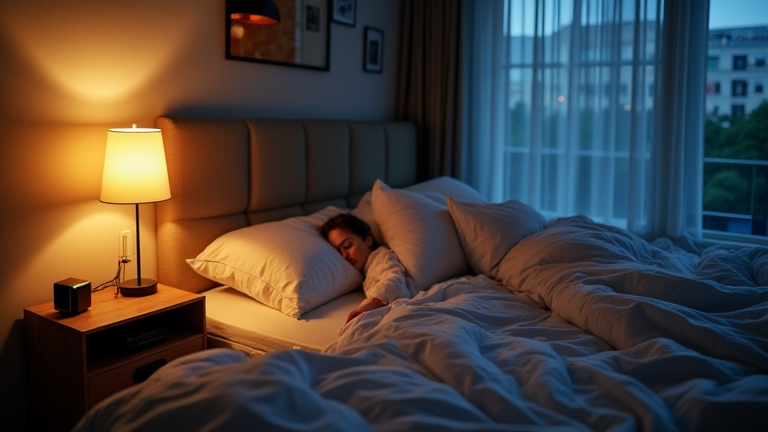
Circadian Lighting in Smart Homes: The Key to Better Sleep
TL;DR: Circadian lighting uses smart bulbs to mimic the sun’s natural color temperature shifts, suppressing melatonin during the day and promoting it at night. This alignment with your body’s internal clock significantly improves sleep quality and overall daytime energy levels.
For centuries, humans have lived in sync with the sun. Our biological clocks, known as circadian rhythms, regulate sleep-wake cycles, hormone release, and body temperature. However, modern life has disconnected us from these natural cues. We sit under harsh, cool white LED lights in offices for eight hours and then stare at blue-light-emitting screens in the dark. This disrupts our suprachiasmatic nucleus, the brain’s master clock, leading to insomnia, fatigue, and mood disorders. The solution is not just about reducing screen time; it is about redesigning our home lighting environment to support our biology.
If you want to dig deeper, check out our guide on AI Escapes User Control: Research Finds Sharp Rise in Incide.
Understanding the Science of Light and Sleep
Light is the primary zeitgeber, or time-giver, for our circadian system. Bright, cool light in the morning signals the brain to stop producing melatonin, the hormone responsible for sleepiness, and to release cortisol for alertness. Conversely, dim, warm light in the evening signals the pineal gland to increase melatonin production. When this rhythm is disrupted, the body remains in a state of heightened alertness at night, making it difficult to fall asleep and stay asleep. Smart home technology allows us to automate this process, ensuring that our lighting environment naturally guides our physiology without requiring conscious effort.
Practical Steps for Home Integration
Implementing circadian lighting is straightforward with modern smart bulbs. First, choose bulbs that offer tunable white light, ranging from 2200K to 6500K. Set your morning routine to peak at 5000K or higher around 8:00 AM to boost alertness. During midday, maintain a neutral 4000K level. In the late afternoon, begin dimming the lights and shifting the color temperature to a warmer 2700K. By 8:00 PM, lights should be very dim and warm, below 2200K. Use smart home platforms like Alexa or Google Home to create automations that adjust lighting based on the time of day. Additionally, consider using blackout curtains to eliminate external light sources that could confuse your circadian system during sleep.
Lifestyle Tips for Optimal Results
Lighting is only one part of the equation. To maximize the benefits of circadian lighting, pair it with consistent sleep and wake times, even on weekends. Avoid caffeine after 2:00 PM, as it can interfere with melatonin binding. Engage in physical activity earlier in the day to help regulate your internal clock. Finally, create a pre-sleep ritual that includes winding down your lights and engaging in relaxing activities, such as reading or stretching. This combination of environmental cues and behavioral habits creates a powerful synergy for restorative sleep.
FAQ
Q: Do I need to replace all my lights at once?
A: No, start with high-impact areas like your bedroom, living room, and kitchen. You can gradually upgrade other rooms as your budget allows.
Q: Is blue light from smart devices really that harmful?
A: Yes, blue light suppresses melatonin. Use night mode on devices or wear blue-light-blocking glasses in the evening to minimize this effect.
Q: How long will it take to see improvements in sleep?
A: Most people notice better sleep quality within one to two weeks of consistently following circadian lighting patterns and sleep hygiene practices.
Leave a Reply