
CRISPR Therapies Gain Global Regulatory Approval
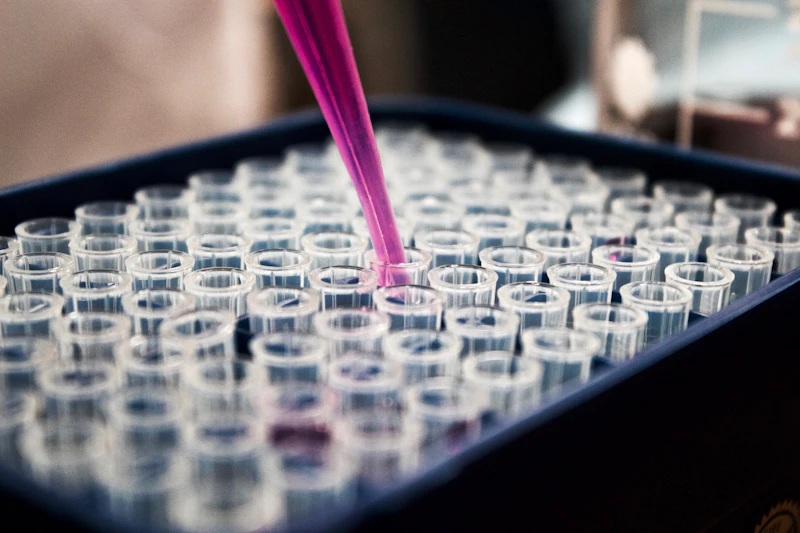
The landscape of modern medicine has shifted dramatically with the recent global regulatory approvals of CRISPR-Cas9 based therapies. This milestone marks the first time that gene-editing technology has moved from experimental labs to mainstream clinical practice, offering curative potential for previously incurable genetic disorders. For the first time, patients with sickle cell disease and beta-thalassemia have access to treatments that correct the underlying genetic mutations responsible for their conditions.
The Science Behind the Breakthrough
CRISPR (Clustered Regularly Interspaced Short Palindromic Repeats) acts as a molecular pair of scissors, allowing scientists to precisely edit DNA sequences. The approved therapies involve extracting a patient’s own hematopoietic stem cells, editing them to produce functional hemoglobin, and reintroducing them into the body. This autologous approach minimizes the risk of immune rejection. While the immediate benefits are profound for those with specific blood disorders, the ripple effect extends to the broader health and wellness community. It validates the precision of genetic medicine, paving the way for treatments for heart disease, cancer, and neurological disorders.
Lifestyle Synergies for Genetic Health
While CRISPR offers a powerful medical intervention, it is not a license to neglect daily health habits. Even with advanced genetic therapies, lifestyle factors significantly influence overall well-being and the long-term success of medical treatments. Here are science-backed tips to support your health journey:
1. **Prioritize Anti-Inflammatory Nutrition**: Chronic inflammation can exacerbate genetic conditions and reduce the efficacy of therapies. Focus on a diet rich in omega-3 fatty acids, leafy greens, berries, and whole grains. Foods like turmeric, ginger, and fatty fish can help lower systemic inflammation.
2. **Regular Physical Activity**: Exercise improves cardiovascular health and boosts immune function. Aim for at least 150 minutes of moderate aerobic activity per week. Strength training is also crucial for maintaining muscle mass, which supports
Leave a Reply