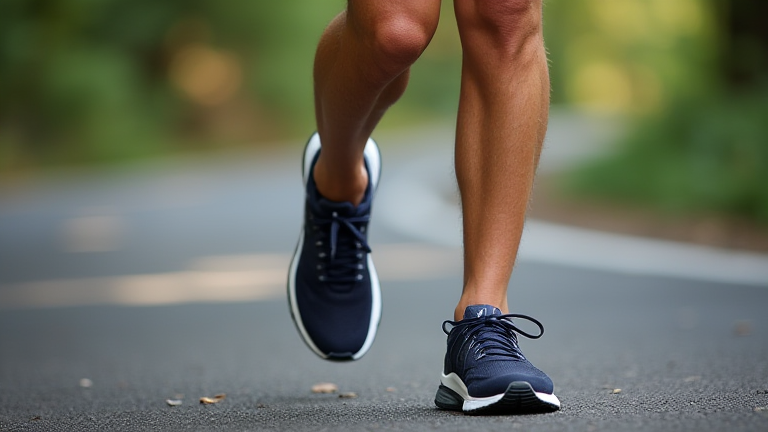
How to Choose the Right Running Shoe for Flat Feet
TL;DR: Opt for a supportive, stability-focused shoe with a wide toe box to accommodate your foot’s natural shape. Prioritize models featuring dual-density midsoles and external support structures to prevent overpronation without restricting movement.
Running with flat feet requires a strategic approach to footwear selection. Unlike high-arched feet, flat feet (pes planus) tend to collapse inward upon impact, a motion known as overpronation. This can lead to excessive stress on the ankles, knees, and hips. The primary goal when selecting a shoe is to provide adequate medial support while maintaining enough flexibility for a natural stride. You do not need a rigid, orthopedic boot; rather, you need a balanced shoe that guides your foot without forcing it into an unnatural position.
If you want to dig deeper, check out our guide on Trump’s frustrations drove order limiting child vaccinations.
Key Feature Highlights
When scanning product descriptions, look for specific terminology that indicates stability. First, check for a “stability” or “motion control” label. These shoes typically incorporate a denser foam material on the medial side of the midsole to counteract inward rolling. Second, examine the outsole. A wider base and a flatter profile provide better ground contact and stability. Third, consider the upper material. Breathable mesh with reinforced overlays offers a secure fit without excessive pressure points, which is crucial for comfort during long runs.
Comparing Top Contenders
The market is saturated with options, but two categories stand out for flat-footed runners. Stability trainers, such as those from major athletic brands, offer a versatile blend of cushioning and support, making them ideal for daily training. In contrast, neutral shoes with a wider platform might suit runners who have mild flatness and prefer a less restricted feel. It is essential to try both types. Many runners find that a moderately stable shoe performs better than a heavy motion control model, which can feel clunky and slow down turnover. Always pay attention to the fit; the shoe should feel snug but not tight, allowing your toes to splay naturally.
Do not rely solely on online reviews. Foot biomechanics vary significantly from person to person. Visit a local running specialty store where professionals can analyze your gait. They can identify the specific degree of pronation and recommend the appropriate level of support. Investing time in a proper fitting will save you from potential injuries and ensure a more enjoyable running experience.
Ready to find your perfect pair? Visit our store locator today to book a free gait analysis session. Our expert staff will help you match your foot shape with the ideal running shoe, ensuring every step is comfortable and safe. Start your journey toward pain-free running now!
FAQ
Q: Do flat feet always require motion control shoes?
A: No, not all flat feet require maximum motion control. Many flat-footed runners do well in stability shoes or even neutral shoes with a wide platform, depending on the severity of their pronation.
Q: How often should I replace running shoes for flat feet?
A: You should replace your shoes every 300 to 500 miles. The supportive structures degrade over time, reducing their ability to correct pronation and protect your joints.
Q: Can I run in neutral shoes if I have flat feet?
A: Yes, if your arch collapse is minimal and you do not experience pain. However, if you notice knee or ankle discomfort, switching to a stability shoe is recommended.
Leave a Reply