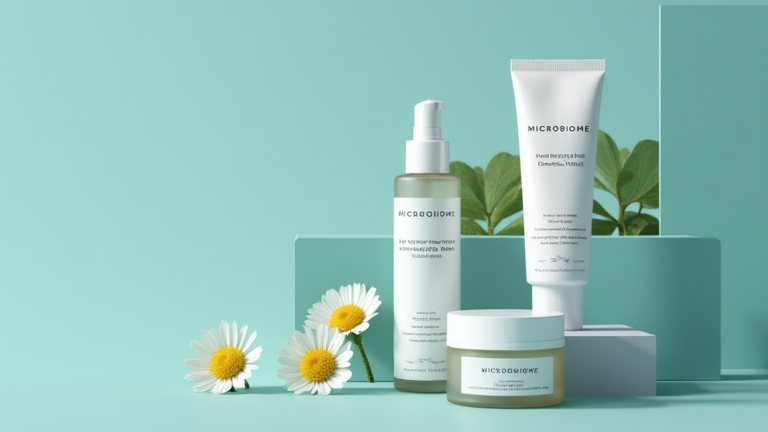
Microbiome Skincare: The New Alternative to Acne Rx
TL;DR: Microbiome skincare leverages beneficial bacteria and prebiotics to restore skin balance, offering a non-antibiotic approach to clearing acne. It works by strengthening the skin’s natural defense barrier rather than killing off all microbial life.
For years, the standard protocol for persistent acne involved a visit to the dermatologist and a prescription for harsh topical retinoids or oral antibiotics. While effective, these treatments often came with a litany of side effects, including severe dryness, peeling, and the potential for antibiotic resistance. Enter microbiome skincare, a burgeoning field in dermatology and lifestyle wellness that shifts the paradigm from eradication to restoration. This approach recognizes that healthy skin is not sterile; it is a thriving ecosystem of diverse microorganisms that work in harmony to protect us from harmful pathogens.
If you want to dig deeper, check out our guide on Anthropic’s AI Fails: Why Cheap Rivals Win Users.
The Science of Balance
Think of your skin like a garden. Traditional acne treatments are akin to spraying pesticides across the entire yard, killing off weeds but also damaging the healthy soil and beneficial plants. Microbiome skincare, conversely, is like adding compost and watering the right spots to encourage healthy growth. By introducing probiotics (live beneficial bacteria), prebiotics (food for those bacteria), and postbiotics (beneficial byproducts), these products aim to repopulate the skin with a diverse array of good bacteria. When the skin barrier is fortified and the microbial balance is restored, inflammation decreases, and the environment becomes less hospitable to Cutibacterium acnes, the bacteria commonly associated with breakouts.
A Lifestyle Shift, Not Just a Product
The adoption of microbiome-friendly skincare is less about adding another item to your shelf and more about rethinking your daily habits. It aligns with a broader cultural shift toward gut-skin axis awareness. Just as we are learning that gut health influences mental clarity and energy levels, we are now understanding that skin health is deeply connected to overall systemic wellness. This perspective encourages a holistic view of beauty, where internal health through diet, sleep, and stress management plays an equal role to external application. It is a move away from the “war on acne” narrative toward a partnership with your body’s natural defenses.
Practical Integration
Incorporating these products into your routine requires a gentle touch. Start by reducing the frequency of exfoliation to avoid stripping the skin of its natural flora. Look for cleansers labeled as “microbiome-friendly” that do not disrupt the skin’s pH balance. Introduce one probiotic serum or moisturizer at a time to monitor how your skin responds. Patience is key, as rebuilding the skin barrier is a marathon, not a sprint. Many users report that within three to four weeks, their skin feels less reactive and more resilient, with a noticeable reduction in redness and sensitivity.
This alternative is not just a trend; it represents a maturation in our understanding of human biology. By focusing on balance rather than destruction, we open the door to sustainable, long-term skin health. It is a reminder that sometimes, the best way to heal is not to fight, but to support.
FAQ
Q: Is microbiome skincare suitable for all skin types?
A: Yes, it is generally safe for all skin types, including sensitive and oily skin, as it focuses on restoring balance rather than stripping the skin.
Q: Can I use microbiome products alongside my existing acne treatment?
A: You can, but it is best to consult your dermatologist to ensure the products do not interfere with the efficacy of your prescription medication.
Q: How long does it take to see results from microbiome skincare?
A: Most users begin to see improvements in skin texture and reduced redness within three to six weeks of consistent use.
Leave a Reply