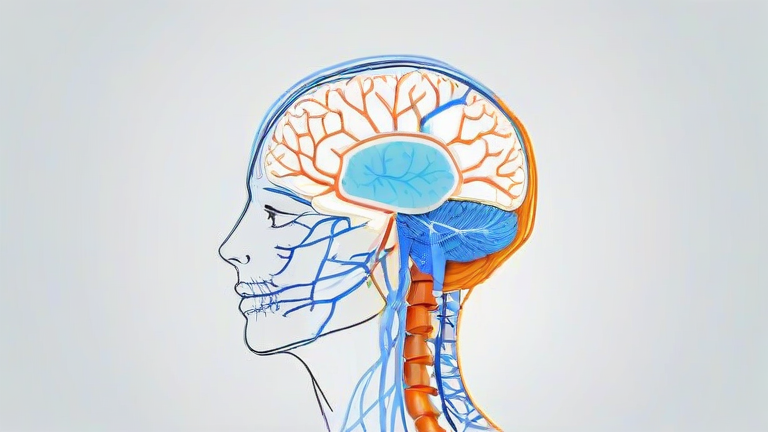
TL;DR: While non-invasive neural interfaces are emerging as powerful tools for biofeedback and cognitive training, they are not a standalone cure for mental health issues. Their greatest benefit comes when paired with proven lifestyle habits like consistent sleep, mindfulness, and regular exercise to enhance focus and emotional regulation.
The Rise of Consumer Neuroscience
The landscape of mental health and cognitive performance is undergoing a significant transformation. For decades, managing stress and improving focus relied heavily on subjective self-reporting and general lifestyle adjustments. Today, the advent of consumer-grade neural interfaces, primarily in the form of EEG headbands, offers a data-driven approach to understanding brain states. These devices measure electrical activity from the scalp, providing real-time feedback on metrics such as alpha waves (associated with relaxed alertness) and beta waves (linked to active thinking and concentration). By visualizing these patterns, users can learn to recognize the neurological signatures of their own stress or distraction, turning abstract mental states into concrete, actionable data.
If you want to dig deeper, check out our guide on On-Device AI Agents: Faster, Private Cloud App Alternatives.
Science-Backed Strategies for Integration
It is crucial to understand that neural interfaces are tools for enhancement, not magic wands. The science supports their use in neurofeedback, a process where immediate information about brain activity is used to teach self-regulation. Studies have shown that individuals who practice neurofeedback can improve attention span, reduce symptoms of anxiety, and enhance sleep quality. However, the technology works best when it reinforces existing healthy behaviors rather than replacing them. For instance, a user might use a headband during a meditation session to verify if their brain is entering a state of deep relaxation, thereby providing a tangible reward for maintaining focus. This positive reinforcement loop helps build stronger neural pathways associated with calm and concentration over time.
Essential Lifestyle Synergies
To maximize the benefits of neural training, specific lifestyle modifications are non-negotiable. First, prioritize sleep hygiene. Neural plasticity, the brain’s ability to reorganize itself, occurs predominantly during deep sleep. Without seven to nine hours of quality rest, the brain’s capacity to learn and retain new regulatory skills is severely diminished. Second, incorporate regular aerobic exercise. Physical activity increases blood flow to the brain and boosts the production of neurotrophic factors, which support the health of existing neurons and the growth of new ones. This physiological foundation makes the brain more receptive to the signals provided by neural interfaces. Finally, practice mindful digital detoxing. Constant notification pings fragment attention and elevate cortisol levels. Scheduling specific times to disconnect allows the brain to reset, making the subsequent focused sessions with neural feedback more effective. By combining the precision of modern technology with the timeless wisdom of healthy living, individuals can achieve a sustainable boost in mental health and cognitive performance.
FAQ
Q: Are neural interfaces safe for daily use?
A: Yes, non-invasive consumer devices that use EEG technology are generally considered safe for daily use, as they do not involve surgery or implantation. However, users should always follow the manufacturer’s guidelines regarding session length and skin contact to prevent irritation or discomfort.
Q: Can I use these devices to treat clinical depression or ADHD?
A: No, neural interfaces are not a replacement for professional medical treatment. While they can serve as supplementary tools for self-regulation and stress management, individuals with clinical conditions should consult a healthcare provider or a licensed neurofeedback practitioner for a comprehensive treatment plan.
Q: How long does it take to see improvements in focus?
A: Individual results vary, but most users report noticeable improvements in self-awareness and focus within two to four weeks of consistent practice. Long-term benefits, such as sustained attention and reduced reactivity to stress, typically develop over several months of regular engagement with both the technology and lifestyle changes.
Leave a Reply