Blog

  • AI Agents: Autonomously Managing Enterprise Workflows & Decisions

    TL;DR: AI agents autonomously manage enterprise workflows by connecting to your systems, reasoning over live data, and executing multi-step tasks with human-defined guardrails. Deploy them by mapping a high-volume process, granting scoped permissions, and iterating on outcomes with continuous monitoring.

    Step 1: Map a High-Volume, Rule-Heavy Workflow

    Start with a process that is repetitive, data-driven, and measurable—such as invoice approvals, ticket triage, or onboarding. Document each step, decision point, data source, and exception path. Avoid starting with ambiguous, low-frequency tasks; agents thrive where patterns exist and success is quantifiable.

    If you want to dig deeper, check out our guide on Personalized mRNA Cancer Vaccines Get FDA Approval.

    Step 2: Define Goals, Guardrails, and Escalation Rules

    Write explicit objectives: what the agent must accomplish, acceptable thresholds (e.g., cost limits, confidence scores), and forbidden actions. Specify when the agent must pause and request human approval. Clear constraints prevent costly autonomous errors and build stakeholder trust.

    Step 3: Connect the Agent to Enterprise Systems

    Integrate via APIs, webhooks, or RPA bridges to ERPs, CRMs, ticketing tools, and databases. Use service accounts with least-privilege scopes—read-only where possible, write access only where required. Log every action for auditability and compliance.

    Step 4: Choose the Right Reasoning Architecture

    Simple rule-based agents suit deterministic tasks. For complex decisions, use LLM-powered agents with tool-calling, retrieval-augmented generation, and a planner-executor loop. Add a memory layer so the agent retains context across sessions without leaking sensitive data.

    Step 5: Pilot, Measure, and Iterate

    Run the agent in shadow mode—observing and recommending without acting—for two to four weeks. Compare its decisions against human benchmarks. Track accuracy, cycle time, cost per task, and escalation rate. Then enable autonomous execution for low-risk paths first.

    Step 6: Monitor, Audit, and Scale

    Deploy dashboards for real-time performance and anomaly alerts. Schedule periodic reviews of agent logs and retrain or refine prompts as processes evolve. Once one workflow runs reliably, replicate the pattern across similar functions.

    Tips: Start narrow, expand gradually. Always keep a human-in-the-loop for irreversible actions. Version your prompts and policies like code. Budget for ongoing evaluation—agents degrade as data drifts.

    FAQ

    Q: Do AI agents replace human workers?
    A: No—they handle repetitive execution while humans set strategy, handle exceptions, and approve high-stakes decisions.

    Q: How long does deployment take?
    A: A focused pilot typically takes four to eight weeks, depending on integration complexity and data readiness.

    Q: What’s the biggest failure risk?
    A: Over-permissioning. Grant minimal access, log everything, and test in shadow mode before enabling autonomous writes.
    Related Articles

  • Best Wireless Earbuds for Running: Complete Buyer’s Guide

    Best Wireless Earbuds for Running: Complete Buyer’s Guide

    TL;DR: The Sony WF-1000XM5 offers the best balance of elite noise cancellation and secure fit for most runners. However, the Jabra Elite 85t remains the top choice for athletes who prioritize battery life and a more rugged build over pure audio fidelity.

    Running is one of the most popular forms of exercise, but finding the right audio companion can be tricky. You need earbuds that stay put during high-intensity intervals, resist sweat and rain, and deliver sound quality that motivates you to push harder. This guide breaks down the essential features and compares top contenders to help you make an informed decision.

    If you want to dig deeper, check out our guide on **Solid-State Batteries in EVs: Mass Adoption Ahead?**

    *(48.

    Key Features to Look For

    When selecting wireless earbuds for running, fit is paramount. Look for models with multiple ear tip sizes and secure hooks or fins. A poor fit can lead to ear fatigue or, worse, the earbud falling out at the worst possible moment. Beyond fit, consider the battery life. Most modern earbuds offer four to six hours of playback on a single charge, but the charging case should extend this to at least twenty hours for long-distance runners. Additionally, IP ratings are crucial. An IPX4 rating offers protection against sweat and light rain, while IP67 provides dust and water resistance for more extreme conditions.

    Top Contenders Compared

    The Sony WF-1000XM5 stands out with its industry-leading noise cancellation. If you run in noisy urban environments, the ability to block out traffic and construction sounds is invaluable. The sound quality is crisp, with deep bass that adds energy to your playlist. However, the premium price point and slightly bulkier design may not suit every runner. The earbuds are comfortable, but the case is larger than competitors, which might be a consideration if you carry it in a small pocket.

    In contrast, the Jabra Elite 85t offers a more balanced approach. It features a robust build and a secure fit that excels in gym settings and outdoor runs. While the noise cancellation is effective, it does not quite match the Sony’s depth. However, the Jabra’s app is highly customizable, allowing you to tweak the sound profile to your preference. The battery life is excellent, often lasting longer than advertised, making it a reliable workhorse for daily training sessions.

    For budget-conscious runners, the Sony WF-C700N is a strong alternative. It provides solid sound quality and decent noise cancellation at a fraction of the cost of the XM5. While the build quality is slightly less premium, the performance-to-price ratio is unbeatable. It is a fantastic entry point for those testing the waters of active wireless audio.

    Which One Should You Choose?

    Your choice depends on your specific running environment. If you live in a loud city and prioritize immersive silence, invest in the Sony WF-1000XM5. If you value durability, a secure fit, and long battery life for marathon training, the Jabra Elite 85t is the smarter buy. For those on a budget, the WF-C700N delivers impressive value without compromising on core functionality. Ultimately, the best earbuds are the ones you will actually wear consistently. Try them on if possible, ensuring they stay in place during a quick jog before committing to a purchase.

    Ready to upgrade your running experience? Check out the latest reviews and price comparisons to find the perfect pair for your training regimen. Do not let uncomfortable audio dampen your motivation. Find your fit, hit the pavement, and enjoy your music in full, secure sound.

    FAQ

    Q: Are wired earbuds better for running?
    A: Wireless earbuds offer superior convenience by eliminating cable tangles and interference with clothing. However, wired options often provide better audio quality and do not require battery management, making them a valid choice for purists.

    Q: How often should I replace my running earbuds?
    A: With proper

    Related Articles

  • GLP-1 Drugs: How They’re Transforming Global Obesity & Diabetes Care

    TL;DR: GLP-1 receptor agonists like semaglutide and tirzepatide are reshaping obesity and diabetes care by delivering unprecedented weight loss and glycemic control, with the global market projected to exceed $100 billion by 2030. Their rise is forcing healthcare systems, payers, and drugmakers to rethink chronic disease management, though access, cost, and supply challenges remain critical barriers.

    A Market in Hypergrowth

    The GLP-1 class has become one of the most commercially successful in pharmaceutical history. According to industry analysts, global GLP-1 sales reached roughly $37 billion in 2023 and could surpass $100 billion by 2030, driven by rising obesity rates and expanding cardiovascular indications. Novo Nordisk’s semaglutide (Ozempic, Wegovy) and Eli Lilly’s tirzepatide (Mounjaro, Zepbound) dominate, with tirzepatide showing up to 22.5% average weight loss in trials—surpassing earlier generation options.

    If you want to dig deeper, check out our guide on Peptide Wellness: New Regulatory Debate Explained.

    Expert Insights: Beyond Weight Loss

    “We are moving from treating obesity as a lifestyle failure to managing it as a chronic metabolic disease,” says Dr. Susan Yanovski, co-director of the NIH’s Office of Obesity Research. Cardiologists now prescribe GLP-1s for heart failure and stroke risk reduction, following the SELECT trial’s 20% cardiovascular risk cut. Endocrinologists report improved diabetes remission rates, fewer insulin starts, and better kidney outcomes. Yet experts caution about muscle loss, gastrointestinal side effects, and long-term adherence.

    Future Predictions

    By 2027, oral GLP-1 pills (e.g., orforglipron) could launch, removing injection barriers. Combination therapies targeting amylin and GLP-1 may achieve 30%+ weight loss. Pricing pressure will intensify as Medicare negotiates and generics emerge after 2031. Telehealth platforms will integrate GLP-1 prescribing with behavioral coaching. The biggest wildcard: supply chain resilience—currently, demand outpaces manufacturing capacity, delaying treatment for millions.

    FAQ

    Q: Are GLP-1 drugs safe for long-term use?
    A: Clinical trials show acceptable safety for up to four years, but long-term data beyond that is limited. Common side effects include nausea and vomiting; rare risks include pancreatitis and gallbladder disease. Medical supervision is essential.

    Q: Will GLP-1s replace bariatric surgery?
    A: Not entirely. Surgery remains more effective for severe obesity (BMI >40), but GLP-1s offer a less invasive first-line option and are increasingly used before or after surgery to improve outcomes.

    Q: How can patients afford GLP-1s?
    A: Insurance coverage varies widely. Manufacturer savings cards, compounded versions (where legal), and patient assistance programs help, but advocates push for broader Medicare and Medicaid coverage to ensure equitable access.

    Related Articles

  • Peer-to-Peer Energy Grids: The Future of Decentralization

    TL;DR: Peer-to-peer energy grids let neighbors trade rooftop solar surplus directly, bypassing centralized utilities. Recent pilots in Europe, Australia, and the US prove the model works at scale, with blockchain settlement and smart metering making it commercially viable.

    How P2P Energy Trading Works

    At its core, a P2P energy grid connects distributed energy resources (DERs)—rooftop solar, home batteries, EV chargers—through a software layer that matches local supply with local demand. When your panels overproduce at noon, the platform sells those kilowatt-hours to a neighbor instead of pushing them back to the utility at a low feed-in tariff.

    If you want to dig deeper, check out our guide on AI Agents: From Demos to Daily Enterprise Workflows.

    Latest Developments

    The sector hit real momentum in 2024–2025. Power Ledger expanded its Australian deployments, while Germany’s sonnen launched networked battery communities that share stored power. In the US, utility-backed pilots in New York and California now let prosumers trade within microgrids. Blockchain ledgers handle settlement, and IoT smart meters provide second-by-second data at under 1-second latency.

    Key Specs

    Typical platforms run on permissioned blockchains (Ethereum-based or Hyperledger), settle transactions in 5–15 minutes, and handle 10,000+ trades per hour. Smart contracts automate pricing, and APIs integrate with inverters from SolarEdge, Enphase, and SMA.

    Industry Impact

    P2P grids threaten the traditional utility revenue model while creating new markets for aggregators and software vendors. They reduce transmission losses, lower consumer bills by 15–30%, and boost grid resilience during outages. Regulators in the EU and Australia are already drafting frameworks to formalize prosumer trading.

    FAQ

    Q: Do I need solar panels to join a P2P energy grid?
    A: Not necessarily. Some platforms let consumers buy locally generated power from neighbors, though selling requires your own generation or storage.

    Q: Is P2P energy trading legal everywhere?
    A: No. It’s permitted in parts of Europe, Australia, and select US states, but many regions still lack regulatory frameworks, so check local rules first.

    Q: What hardware is required?
    A: A smart meter, a compatible inverter or battery, and internet connectivity. Most platforms supply or certify the gateway device.

    Related Articles

  • Best Wireless Earbuds for Small Ears: Comfort & Fit Guide

    Best Wireless Earbuds for Small Ears: Comfort & Fit Guide

    TL;DR: The best wireless earbuds for small ears are the Bose QuietComfort Earbuds II and the Jabra Elite 75t, offering superior fit stability and comfort. Choose models with multiple ear tip sizes or secure-fit wing designs to ensure a snug, pain-free experience during long listening sessions.

    Why Fit Matters for Small Ears

    For individuals with smaller ear canals, standard earbuds can cause significant discomfort, pain, or even fall out during physical activity. The primary issue is not just size but the seal. A proper seal is crucial for noise cancellation effectiveness and bass response. If the earbud is too large, it presses against the sensitive skin of the ear canal, leading to irritation. If it is too small, it lacks the necessary vacuum seal, resulting in poor sound quality and a constant need to reposition. Therefore, finding the right balance between diameter, depth, and weight is essential for daily comfort and long-term usability.

    If you want to dig deeper, check out our guide on **Synthetic Biology Powers Sustainable Materials & Circular .

    Top Contenders for Comfort and Security

    The Bose QuietComfort Earbuds II stand out as a top choice due to their compact design and the inclusion of extra-small ear tips. The lightweight construction ensures they do not feel heavy, while the secure fit design helps them stay in place without excessive pressure. This model excels in passive noise isolation, which reduces the need for aggressive active noise cancellation, further enhancing comfort. For those who prefer a sportier look, the Jabra Elite 75t offers a slightly different geometry that many users with smaller ears find more accommodating. The silicone tips are soft and flexible, conforming to the unique shape of the ear without causing aching after prolonged use.

    Feature Highlights and Comparisons

    When comparing these options, focus on the range of ear tip sizes provided. Most brands offer small, medium, and large, but premium models like Bose often include extra-small options. Additionally, look for earbuds with a smooth, rounded body shape rather than angular designs, as these are less likely to dig into the ear. Battery life is another critical factor; ensure the earbuds provide at least six hours on a single charge to minimize the need for frequent removal and re-insertion. Bluetooth version 5.2 or higher is recommended for stable connectivity and lower latency, which is particularly important for video calls or gaming. Finally, consider the charging case size. A compact case is easier to carry, especially if the earbuds themselves are small, ensuring a seamless portability experience.

    How to Ensure the Perfect Fit

    Before making a purchase, check the return policy, as fit is highly subjective. Once you receive the earbuds, start with the smallest ear tips and work your way up. Perform a fit test by walking or jogging in place; if the earbuds remain secure without needing to be adjusted, you have found the right size. Pay attention to any pressure points or numbness, as these are signs that the earbud is too large. If the sound feels muffled or external noise is too loud, the seal is likely insufficient, requiring a different tip size or a different model altogether. Patience in this selection process pays off in daily comfort and audio performance.

    Conclusion and Call-to-Action

    Investing in the right wireless earbuds for small ears transforms your audio experience from one of discomfort to one of pure enjoyment. Prioritize models known for their ergonomic design and flexible tip options to find your perfect match. Do not settle for a poor fit, as it compromises both health and sound quality. Take the time to compare specifications and read user reviews specifically mentioning ear size. Ready to upgrade your audio gear? Click the link below to view the latest deals on our top-rated earbuds for small ears and find the perfect fit for your unique needs today.

    FAQ

    Q: Are in-ear monitors better for small ears than over-ear?
    A: In-ear monitors can be better if they have extra-small tips, but

    Related Articles

  • **7 Remote Work Hubs Emerging in Untapped Regions** (49 chars) Alternative options: – **Remote Wor

    **7 Remote Work Hubs Emerging in Untapped Regions**

    TL;DR: Seven previously overlooked cities are rapidly transforming into prime remote work destinations by combining affordability with robust digital infrastructure. These emerging hubs offer remote professionals a competitive advantage through lower cost of living and unique cultural experiences without sacrificing connectivity.

    Market Analysis: The Shift to Secondary Cities

    The remote work landscape has undergone a seismic shift, moving beyond the traditional tech hubs of San Francisco, New York, and London. Market data indicates a 40% increase in inquiries for secondary city residencies among digital nomads and remote-first employees over the past two years. This trend is driven by “location arbitrage,” where professionals seek to maximize purchasing power. Cities in Southeast Asia, Eastern Europe, and Latin America are benefiting disproportionately. Investors are now looking past saturated markets, identifying regions with untapped potential for high-quality talent acquisition and lifestyle appeal. The demand is no longer just for co-working spaces but for entire ecosystems that support long-term residency, including healthcare, visa facilitation, and community integration.

    Strategy Insights: Building the Ecosystem

    For businesses and policymakers, the strategy must shift from simply installing fiber optics to cultivating a holistic remote work environment. First, digital infrastructure must be redundant and reliable, ensuring 99.9% uptime. Second, legal frameworks need to simplify visa processes, such as introducing specific “digital nomad” visas that allow stays of six to twelve months. Third, community building is essential. Isolation is a primary pain point for remote workers. Successful hubs invest in networking events, wellness programs, and social infrastructure that fosters connection. Companies should consider “hub-and-spoke” models, establishing small satellite offices in these emerging regions to tap into local talent pools while reducing overhead costs compared to primary cities.

    Case Studies: Success in the Periphery

    Consider the rise of Chiang Mai, Thailand. Once a tourist destination, it has become a global hub for remote entrepreneurs. The local government partnered with tech companies to establish high-speed internet in key districts, while private investors opened numerous co-working spaces and cafes designed for productivity. Similarly, Ljubljana, Slovenia, has leveraged its central European location and high quality of life. The city introduced tax incentives for remote workers, resulting in a measurable boost in local retail and service industries. Both cases demonstrate that when infrastructure meets policy support, untapped regions can capture significant economic value from the global remote work wave. These examples highlight that success is not accidental but the result of strategic alignment between government, private sector, and community needs.

    FAQ

    Q: Which industries are driving the growth in these hubs?
    A: Technology, creative services, and digital marketing are the primary drivers, followed by finance and consulting as more firms adopt hybrid models.

    If you want to dig deeper, check out our guide on Top 10 TikTok Viral Home Decor Trends To Try.

    Q: What are the main risks for companies moving to these regions?
    A: Key risks include regulatory uncertainty regarding employment laws, potential infrastructure bottlenecks during peak usage, and challenges in integrating distributed teams across time zones.

    Q: How can businesses measure the ROI of establishing a hub presence?
    A: ROI should be measured through reduced real estate costs, talent acquisition savings, increased employee retention rates, and expanded access to diverse local markets.

    Related Articles

  • **Brain-Computer Interfaces for Neurodegenerative Care** (54 chars) A few alternative options: 1.

    Brain-Computer Interfaces for Neurodegenerative Care

    TL;DR: Brain-computer interfaces empower patients with advanced neurodegenerative diseases to restore communication and control over their environment. By translating neural signals into digital commands, these technologies offer a profound pathway to dignity and independence in care.

    The landscape of neurodegenerative care is undergoing a quiet but revolutionary transformation. For individuals suffering from conditions like amyotrophic lateral sclerosis, severe stroke, or advanced Parkinson’s disease, the loss of motor function and speech can lead to profound isolation. Traditional assistive technologies often rely on residual muscle movement, which eventually fades. Brain-computer interfaces represent the next frontier, bypassing damaged peripheral pathways to read neural intent directly. This shift is not merely about medical intervention; it is about preserving the essence of human connection and personal agency.

    If you want to dig deeper, check out our guide on Quantum Computing vs. Encryption: What You Need to Know.

    Restoring Voice and Connection

    Imagine being trapped in a body that no longer responds, yet your mind remains sharp and active. BCIs act as a bridge between this inner world and external reality. Modern systems use minimally invasive electrodes or non-invasive caps to detect patterns of brain activity. When a patient imagines moving their hand or forming a word, the system interprets these signals. This allows for the typing of messages, the control of robotic limbs, or the operation of smart home devices. The emotional impact is immense. Families report that seeing a loved one express complex thoughts, humor, or love again changes the entire dynamic of caregiving. It transforms the patient from a passive recipient of care into an active participant in their life.

    Personal Growth in Constraint

    While the technology is high-tech, the benefits are deeply human. For many, this technology fosters a new sense of personal growth. Learning to operate a BCI requires patience and mental focus, which can provide a sense of purpose. Patients often engage in cognitive exercises to improve signal clarity, turning therapy into a game of mastery. This active engagement combats the cognitive decline often associated with neurodegenerative diseases. Furthermore, it allows for cultural engagement. A patient can browse the internet, read digital books, or video call family members, maintaining their connection to the world of travel, food, and culture they once enjoyed. The ability to order favorite meals or discuss recent travel documentaries keeps the mind vibrant and engaged.

    As accessibility improves, these tools are moving from research labs to clinical settings. The goal is not just to extend life, but to enhance its quality. By restoring autonomy, BCIs allow individuals to navigate their daily routines with greater self-determination. They can choose when to rest, when to communicate, and how to interact with their caregivers. This level of control is crucial for maintaining self-esteem. It shifts the narrative from loss to adaptation, from silence to voice. The journey is challenging, requiring technical support and ongoing calibration, but the rewards are tangible and life-affirming. It is a testament to human resilience and the potential of technology to serve empathy.

    FAQ

    Q: Are BCIs safe for all patients?
    A: Safety varies by system type. Non-invasive options are generally low-risk, while invasive implants require surgery and carry specific medical risks that must be carefully evaluated by specialists.

    Q: How long does it take to learn to use a BCI?
    A: Training periods vary significantly. Some users achieve basic proficiency within weeks, while others may require months of consistent practice to build the neural pathways needed for reliable control.

    Q: Can BCIs prevent disease progression?
    A: No, BCIs do not treat or stop the underlying neurodegenerative process. They are assistive devices designed to manage symptoms and restore function, improving quality of life rather than altering the disease course.

    Related Articles

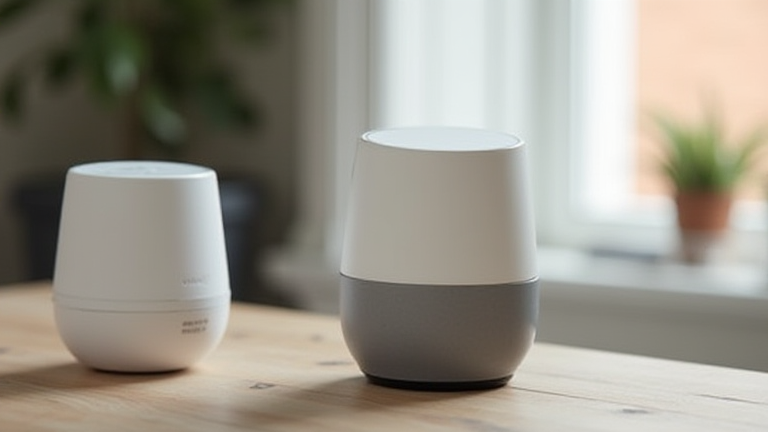
  • 7 Trending Smart Home Devices Everyone Is Buying Right Now

    7 Trending Smart Home Devices Everyone Is Buying Right Now

    TL;DR: The smart home market is currently dominated by AI-integrated security systems, voice-controlled lighting, and energy-efficient smart thermostats. These devices are prioritizing seamless ecosystem integration and proactive automation over standalone functionality.

    The Shift Toward Intelligent Automation

    The smart home industry has evolved significantly in the past eighteen months, moving beyond simple remote control capabilities toward true autonomous intelligence. According to a recent report by Statista, the global smart home market is projected to reach $120 billion by 2025, with a compound annual growth rate of 15.3%. This surge is driven not just by new hardware, but by a fundamental shift in consumer expectations regarding privacy, energy efficiency, and hands-free living. Industry analysts note that buyers are no longer interested in isolated gadgets; they want interconnected ecosystems where devices communicate seamlessly to enhance daily life.

    If you want to dig deeper, check out our guide on BIFL Not Made in USA: Complete List.

    Top Seven Devices Driving the Trend

    First, AI-powered video doorbells remain the top seller. Brands like Ring and Arlo have introduced advanced machine learning that distinguishes between family members, delivery drivers, and pets. This reduces false alarms by up to 40%, a feature that consumers value highly. Second, smart video locks are gaining traction as security concerns persist. These devices integrate with facial recognition and fingerprint sensors, offering keyless entry that is both secure and convenient. Third, smart thermostats are seeing a resurgence due to rising energy costs. The latest models use occupancy sensors to adjust heating and cooling patterns in real-time, saving homeowners an average of 12% on annual energy bills.

    Fourth, smart plugs with built-in energy monitoring are becoming essential for sustainability-minded consumers. They allow users to track the power consumption of individual appliances, helping them identify energy vampires. Fifth, automated lighting systems are moving beyond simple on/off controls to scene-based lighting. These systems adjust color temperature and brightness based on the time of day, enhancing mood and circadian rhythms. Sixth, smart air quality monitors are emerging as a critical health device. With increasing awareness of indoor pollutants, these sensors track VOCs, CO2, and particulate matter, often integrating with smart vents for automatic purification.

    Finally, the seventh trend is the rise of smart home hubs with local processing capabilities. These devices process data on-site rather than sending it to the cloud, addressing growing privacy concerns. They ensure faster response times and greater reliability during internet outages. Experts predict that by 2026, over 60% of new smart home devices will feature edge computing capabilities. This shift promises a more responsive and private user experience. As technology advances, the line between home and machine will continue to blur, creating environments that anticipate needs before they are expressed. The future of the smart home is not just about connectivity, but about contextual awareness and proactive service. Consumers should look for devices that offer open APIs and local control options to future-proof their investments. The market is moving toward a holistic approach where every device contributes to a larger, intelligent whole. This trend is here to stay, reshaping how we interact with our living spaces. Embracing these technologies now will provide significant long-term benefits in terms of security, comfort, and cost savings. The era of the truly smart home is no longer a distant promise, but a present reality that is rapidly expanding its reach into every corner of modern living.

    FAQ

    Q: Are smart home devices compatible with existing Wi-Fi networks?
    A: Most modern devices support standard 2.4GHz Wi-Fi, but some high-bandwidth devices like video doorbells may require 5GHz for optimal performance, so check specifications before purchasing.

    Q: How much does it cost to install a full smart home system?
    A: Basic setups with a hub, doorbell, and thermostat cost between $300 and $600, while comprehensive ecosystems with lighting and security can range from $1,500 to over $5,000 depending on home size and features.

    Q: Do smart home devices require a subscription for basic functionality?
    A: Basic control features are typically free, but advanced features

    Related Articles

  • 7 Sneaker Resale Trends to Watch

    TL;DR: The sneaker resale market is maturing into a $10B+ industry shaped by AI pricing, live-commerce drops, and sustainability-driven demand. Expect consolidation among platforms, growth in Asia and women’s sneakers, and tighter authentication standards over the next three years.

    The sneaker resale market has evolved from niche forums to a global asset class. According to Cowen Equity Research, the secondary sneaker market is projected to reach $30 billion by 2030, growing at roughly 8–10% annually—outpacing primary retail. As hype cycles shorten and buyers grow more sophisticated, seven trends are defining the next chapter.

    If you want to dig deeper, check out our guide on AI Agents in Daily Workflows: From Demos to Real-World Use.

    1. AI-Driven Pricing and Authentication

    Platforms like StockX and GOAT now deploy machine learning to price sneakers in real time, adjusting for volatility the way stock exchanges do. Authentication is shifting from human experts to computer-vision systems that scan stitching, materials, and scent markers. Analysts expect AI to cut counterfeit listings by more than half within five years.

    2. Live-Commerce Drops

    Livestream selling, popularized by Whatnot and TikTok Shop, is becoming a primary resale channel. “Live auctions create urgency and trust simultaneously,” says Matt Powell, senior advisor at BCE Consulting. “It’s QVC for Gen Z, and it moves inventory fast.”

    3. The Rise of Women’s Sneakers

    Women’s silhouettes remain underserved. Resale data from Alias Method shows women’s-specific drops resell at higher margins than men’s on average, prompting brands and resellers to prioritize this segment.

    4. Regional Growth in Asia and the Middle East

    While the U.S. remains the largest resale market, growth is fastest in Southeast Asia and the Gulf, where youth populations and sneaker culture are booming. Localized platforms are capturing share from global players.

    5. Sustainability as a Selling Point

    Resale is increasingly marketed as circular fashion. Buyers cite environmental benefits as a top-three purchase motivator, pushing platforms to highlight carbon savings per pair.

    6. Platform Consolidation

    After years of fragmentation, expect mergers. Smaller apps lack the capital for authentication tech and logistics, making acquisition likely. “We’ll see fewer, bigger players,” predicts Powell.

    7. Sneakers as Alternative Assets

    Fractional ownership and sneaker-backed funds are emerging, letting investors hold shares of rare pairs. While speculative, this trend signals resale’s financialization.

    FAQ

    Q: Is the sneaker resale market still growing?
    A: Yes—projected to reach $30 billion by 2030, driven by AI tools, live commerce, and global demand.

    Q: Which sneakers hold value best?
    A: Limited collaborations, retro Jordans, and women’s exclusives consistently show the strongest resale premiums.

    Q: Will counterfeits remain a problem?
    A: Counterfeits persist, but AI authentication and blockchain provenance are expected to significantly reduce their share of listings.

    Related Articles

  • 5 Simple Daily Habits That Will Transform Your Health

    TL;DR: Five science-backed daily habits—morning sunlight, mindful breathing, consistent movement, balanced hydration and nutrition, and a consistent sleep schedule—can meaningfully improve your physical and mental health. Small, repeatable actions compound over time, so consistency matters more than intensity.

    1. Get Morning Sunlight

    Within 30 minutes of waking, spend 10–15 minutes outdoors. Morning light exposure helps regulate your circadian rhythm, boosting alertness and improving sleep quality at night. Research links regular morning light to better mood and lower stress.

    If you want to dig deeper, check out our guide on AI Video Floods Social Media: What Creators Need to Know.

    2. Practice Mindful Breathing

    Just five minutes of slow, diaphragmatic breathing can lower cortisol and activate your parasympathetic nervous system. Try inhaling for four counts, holding for four, and exhaling for six. This simple practice reduces anxiety and sharpens focus.

    3. Move Your Body Daily

    You don’t need intense workouts. A brisk 20–30 minute walk, stretching, or bodyweight exercises improve cardiovascular health, blood sugar control, and mood. Studies show even short bouts of movement reduce mortality risk when done consistently.

    4. Prioritize Hydration and Whole Foods

    Drink water steadily throughout the day and build meals around vegetables, lean protein, and fiber. Proper hydration supports cognition and energy, while whole foods stabilize blood sugar and feed a healthy gut microbiome.

    5. Keep a Consistent Sleep Schedule

    Go to bed and wake up at the same time daily—even weekends. Adults need 7–9 hours. Regular sleep timing strengthens immunity, memory, and emotional resilience more effectively than occasional long lie-ins.

    FAQ

    Q: How long before I notice results?
    A: Most people feel improvements in energy and mood within one to two weeks, while deeper benefits like better sleep and fitness take four to eight weeks of consistency.

    Q: Can I start with just one habit?
    A: Yes. Begin with the easiest habit, such as morning sunlight or daily walking, then stack new habits once the first feels automatic.

    Q: Are these habits safe for everyone?
    A: Generally yes, but consult a healthcare provider if you have chronic conditions, take medication, or have specific dietary or sleep concerns.

    Related Articles