
The Shift to Decentralized Wellness: Why Remote Work Hubs Matter
The traditional urban corporate headquarters, once the undisputed center of professional life, is undergoing a radical transformation. As companies increasingly adopt hybrid and fully remote models, the role of centralized offices is diminishing, giving rise to distributed “remote work hubs.” These are not merely co-working spaces; they are strategically located wellness centers designed to combat the isolation and sedentary risks associated with working from home. This shift represents more than a logistical change; it is a fundamental reimagining of how we integrate health, productivity, and community in the digital age.
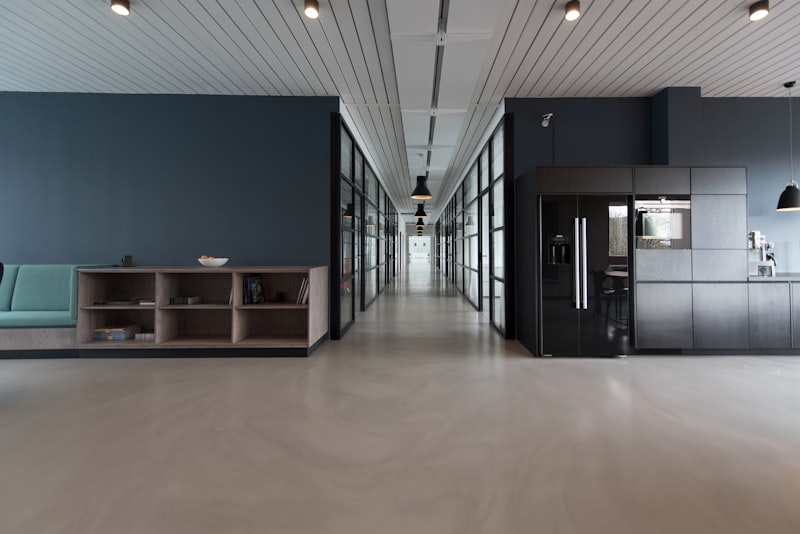
Science-backed research highlights the critical importance of this transition. Studies published in the Journal of Occupational Health Psychology indicate that remote workers suffer from higher rates of burnout and social isolation compared to their office-based counterparts. The lack of physical separation between work and home life blurs boundaries, leading to extended work hours and chronic stress. Remote work hubs address these issues by providing a dedicated environment that psychologically separates professional duties from domestic life, thereby reducing cognitive load and enhancing mental clarity.
If you want to dig deeper, check out our guide on Remote Work: How Hybrid Models Boost Mental Health Balance.
Beyond mental health, the physical benefits are profound. Urban headquarters often encourage long commutes and prolonged sitting. In contrast, well-designed remote hubs prioritize ergonomic furniture, natural lighting, and access to fitness facilities. A study in the British Journal of Sports Medicine suggests that integrating short, frequent movement breaks into the workday significantly improves cardiovascular health and metabolic function. Many new hubs now offer on-site yoga studios, standing desks, and even nutrition counseling, ensuring that employees maintain physical vitality while staying productive.
Furthermore, these hubs foster a sense of community that video calls cannot replicate. Human interaction is essential for emotional well-being. By creating spaces that encourage spontaneous collaboration and face-to-face connection, remote work hubs help rebuild the social fabric that urban centers once provided. This communal aspect boosts morale, reduces feelings of loneliness, and enhances overall job satisfaction.
Leave a Reply