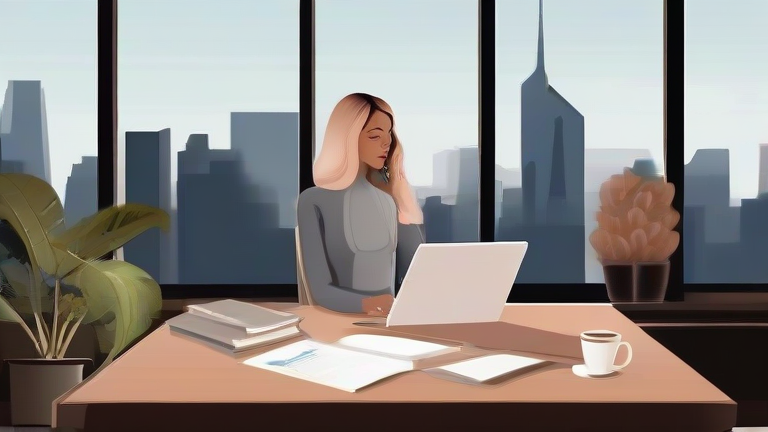
TL;DR: The surge in remote work has prompted governments to introduce digital nomad visas, creating a new class of travelers who work legally from abroad. This shift allows individuals to maintain professional stability while exploring new cultures, provided they manage their health and productivity effectively.
The Intersection of Work and Wellness
The digital nomad lifestyle is not merely a trend but a structural change in how global labor markets function. As remote work becomes the norm, many countries are competing for the economic benefits that mobile professionals bring. However, the freedom to work from anywhere comes with significant health challenges. Without the structure of a traditional office, it is easy for boundaries to blur, leading to burnout. Science suggests that maintaining a consistent circadian rhythm is crucial for cognitive function. Therefore, digital nomads must prioritize sleep hygiene, even when crossing time zones. This involves keeping a regular sleep schedule and maximizing exposure to natural light in the morning to regulate the body’s internal clock. Furthermore, the sedentary nature of desk work, regardless of location, poses risks. Experts recommend incorporating movement breaks every hour to reduce the risk of cardiovascular disease and improve mental clarity. A simple walk in a new city can serve as both exercise and a mental reset, combating the isolation often felt while working alone in a foreign country.
If you want to dig deeper, check out our guide on 7 Simple Health Habits for Better Energy & Longevity.
Structuring Your Nomadic Life
Successful digital nomads treat their lifestyle like a business, focusing on efficiency and well-being. One key strategy is establishing a “home base” for each stay. This could be a co-working space or a quiet library where you commit to specific work hours. This separation between work and leisure spaces helps the brain switch modes, preventing the feeling of always being on call. Nutrition is another critical factor. Eating out constantly, which is common when traveling, can lead to poor dietary choices. Planning meals in advance or finding local grocery stores can ensure you are getting the necessary nutrients to sustain high energy levels. Additionally, social connection is vital for long-term mental health. Joining local meetups or online communities of other nomads can combat loneliness and provide a support network. These connections offer practical advice on local resources and emotional support, reducing the stress associated with constant relocation. By balancing professional responsibilities with deliberate self-care, digital nomads can thrive in their new roles, turning a transient lifestyle into a sustainable and healthy career path.
FAQ
Q: Are digital nomad visas available in all countries?
A: No, not all countries offer them, but nations like Portugal, Spain, and Thailand have established specific programs for remote workers.
Q: How do I manage health insurance while traveling?
A: You should purchase international travel health insurance that covers medical emergencies and repatriation in every country you visit.
Q: What is the biggest health risk for digital nomads?
A: Burnout and poor work-life balance are the most common risks, exacerbated by the lack of physical separation between home and office.
Leave a Reply