
Space Tourism: Stay in Orbital Hotels for the Ultimate Trip
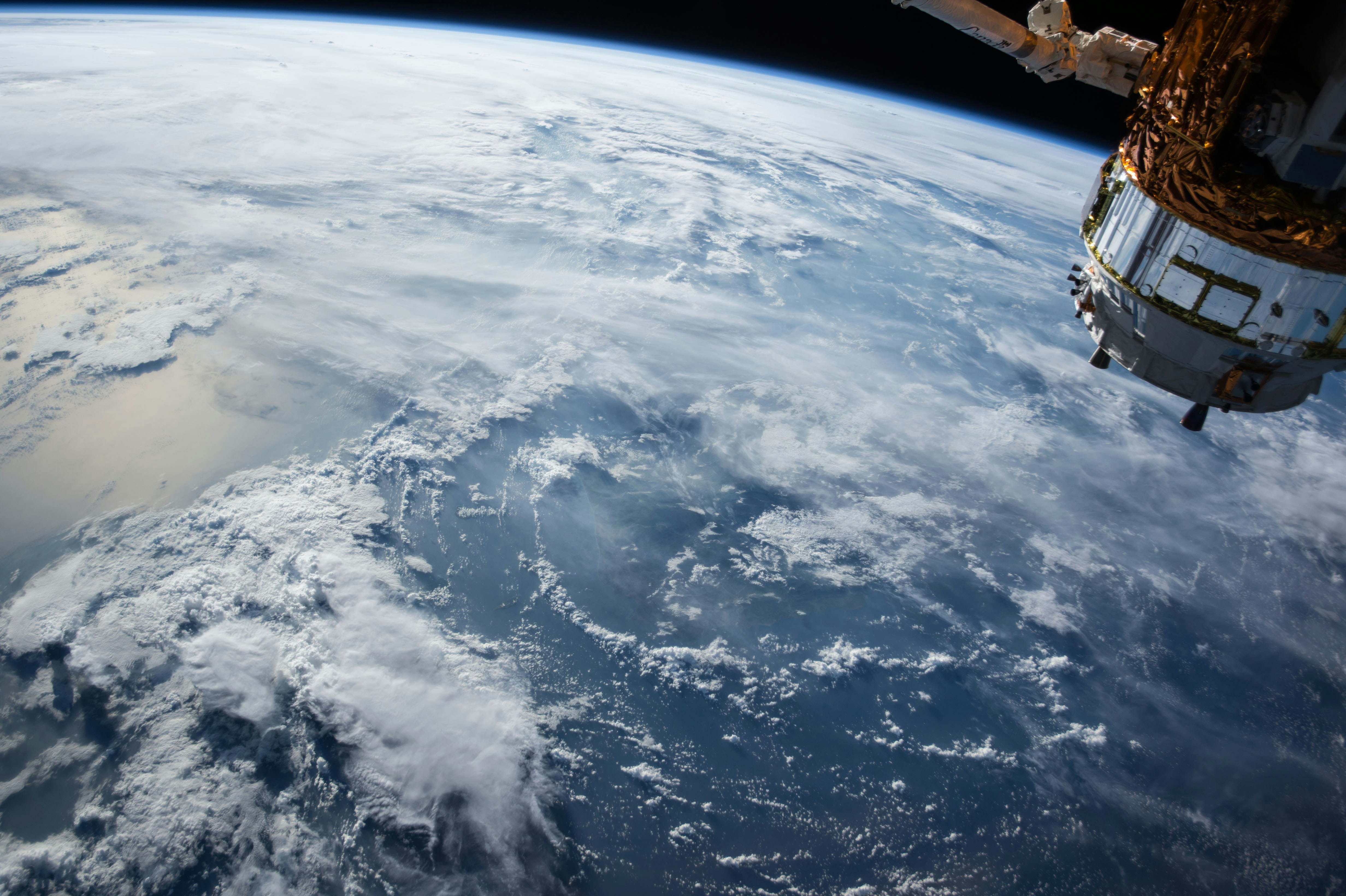
Imagine waking up not to the sound of an alarm clock, but to the gentle hum of life support systems and the breathtaking sight of our planet rotating below your window. This is no longer the stuff of science fiction; it is the emerging reality of space tourism. As private companies like SpaceX and Blue Origin push the boundaries of commercial aviation, the dream of staying in an orbital hotel is transitioning from a distant fantasy to a tangible, albeit expensive, itinerary for the ultra-wealthy adventurer.
The journey begins long before you board the rocket. The experience starts with rigorous physical and psychological training. Future space tourists must undergo centrifuge tests to withstand G-forces and participate in zero-gravity simulations to prepare for the unique environment of orbit. This preparation is not just about safety; it is about mental readiness. In the vast silence of space, isolation can be profound. Travelers must cultivate a sense of calm and resilience, turning potential anxiety into awe. This initial phase of the trip offers a unique opportunity for personal growth, forcing individuals to confront their limitations and discover a new layer of inner strength.
Once in orbit, the cultural experience shifts entirely. Traditional tourism relies on exploring local customs and history, but in space, the “local culture” is one of global unity. From the International Space Station and future commercial habitats, borders disappear. You share the view with astronauts from diverse nations, all bound by the shared experience of surviving in a fragile bubble above the atmosphere. This perspective often triggers the “Overview Effect,” a cognitive shift reported by many astronauts where the Earth is seen as a single, fragile entity without political divisions. It is a profound cultural and philosophical awakening that changes how one views humanity forever.
Dining in space presents another unique challenge and delight. Food is not merely sustenance; it is a ritual. Chefs are developing specialized menus that account for the fact that fluid shifts in the body cause a stuffy nose, dulling the sense of taste. Flavors become more intense, requiring bold spices and textures. Meals are often communal affairs, shared around a central table where
Leave a Reply