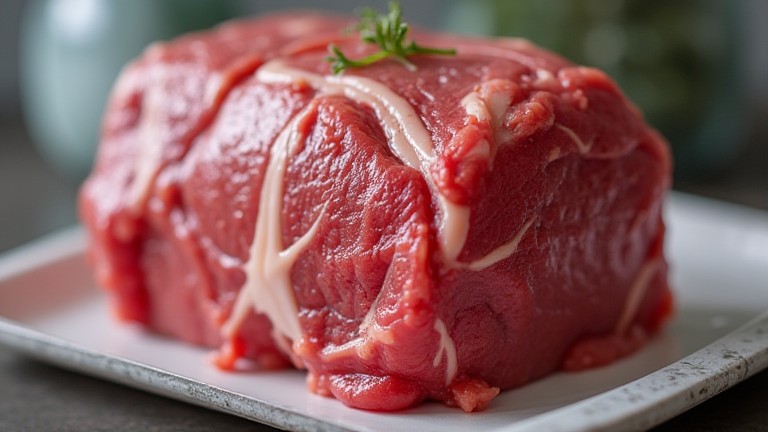
TL;DR: Lab-grown meat can taste better than conventional meat by culturing real animal cells with tailored fat profiles and precise seasoning, avoiding the texture and flavor compromises of plant-based alternatives. This guide walks you through the core steps—from cell sourcing to taste optimization—so you can understand how synthetic biology delivers superior flavor.
Step 1: Source and Prepare the Cells
Begin by selecting a small biopsy from a healthy animal—typically muscle stem cells and pre-adipocytes (fat precursor cells). Sterilize the sample, isolate cells via enzymatic digestion, and filter out connective tissue. Tip: prioritize fat-lineage cells early; they are the single biggest lever for taste, since intramuscular fat carries most of the flavor compounds diners perceive.
If you want to dig deeper, check out our guide on Gut Microbiome Testing Goes Mainstream: What Consumers Need.
Step 2: Build the Growth Medium
Prepare a nutrient-rich medium containing amino acids, glucose, vitamins, salts, and growth factors. Serum-free formulations are now standard and preferred for consistency and ethics. Tip: adjust the amino acid profile toward higher glutamate and glycine levels—these precursors boost the savory, umami notes that make meat taste “meaty.”
Step 3: Culture in a Bioreactor
Seed cells onto edible microcarriers or scaffolds inside a temperature-controlled bioreactor (around 37°C, 5% CO₂). Stir gently to keep nutrients flowing without damaging cells. Tip: run muscle and fat cells in separate vessels, then combine them later—this gives you fine control over the final fat-to-lean ratio, which directly shapes juiciness and flavor.
Step 4: Differentiate and Mature the Tissue
Switch the medium to a differentiation formula to trigger cells to form muscle fibers and lipid droplets. This phase takes one to three weeks. Tip: mild electrical or mechanical stimulation of muscle cells improves fiber alignment, yielding a more authentic chew—one of the most common failure points in early lab-grown prototypes.
Step 5: Optimize the Fat Profile
This is where lab-grown meat can beat the real thing. Adjust the fat composition by feeding precursors for specific fatty acids, increasing oleic acid for richness while trimming saturated fats. Tip: small amounts of cultured fat added at 10–20% of total mass dramatically improve mouthfeel and aroma release during cooking.
Step 6: Harvest, Season, and Cook
Harvest the mature tissue, rinse, and lightly bind the layers. Season with salt and umami-rich ingredients, then sear at high heat to trigger Maillard browning. Tip: taste-test at each batch and log your fat ratio and seasoning—flavor optimization is an iterative, data-driven process, not a one-shot recipe.
FAQ
Q: Is lab-grown meat actually healthier than conventional meat?
A: It can be, because you control the fat profile—reducing saturated fat and adding healthier fatty acids—while avoiding antibiotics and contaminants common in conventional supply chains.
Q: Why does lab-grown meat often taste bland compared to farmed meat?
A: Early versions lacked sufficient cultured fat and umami precursors. Adding a dedicated fat phase and tuning amino acids like glutamate and glycine closes most of the flavor gap.
Q: How long does the whole process take from biopsy to plate?
A: Typically two to four weeks, depending on cell type and maturation time—far shorter than raising a full animal, and with far more control over the final flavor.
Leave a Reply