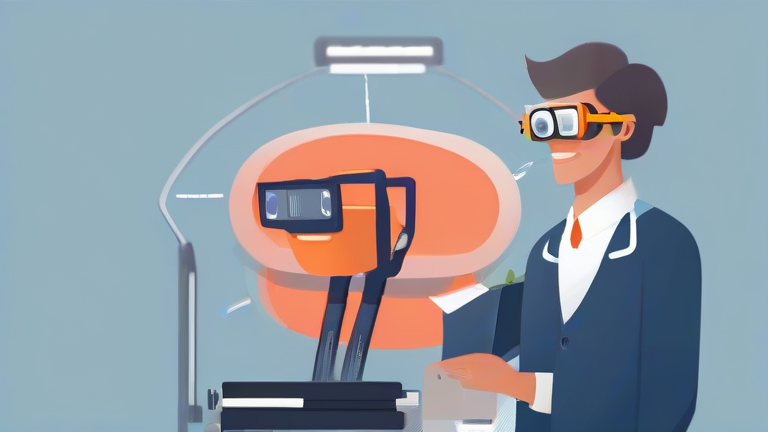
VR Education Transforms Vocational Training Skills
The landscape of vocational education is undergoing a seismic shift, moving away from traditional, high-risk, and expensive physical simulations toward immersive virtual reality environments. This technological evolution is not merely a novelty; it represents a fundamental rethinking of how complex manual and technical skills are acquired, practiced, and certified. As hardware becomes more affordable and software more sophisticated, institutions worldwide are integrating VR into their curricula, creating a safer, more efficient, and highly scalable model for skill development.
Recent developments in hardware specifications have been pivotal in driving this adoption. Modern headsets now offer resolution densities exceeding 4K per eye, reducing the screen-door effect that previously hindered realism. Furthermore, haptic feedback gloves and suits have reached a level of sophistication that allows trainees to feel resistance, texture, and impact. These sensory inputs are crucial for trades such as welding, surgery, or heavy machinery operation, where tactile precision is just as important as visual accuracy. The latency in these systems has dropped to under 20 milliseconds, ensuring that movement is mirrored instantly in the virtual world, which is essential for maintaining presence and preventing motion sickness.
If you want to dig deeper, check out our guide on Top 10 Healthy Habits for Better Sleep and Energy in 2024.

The impact on industry standards is profound. Employers are reporting a significant reduction in training time and material waste. For instance, automotive manufacturers use VR to train technicians on new electric vehicle battery systems without the risk of electrocution or chemical exposure. Similarly, medical schools utilize VR for surgical simulations, allowing students to repeat procedures thousands of times without consuming real organs or endangering patients. This scalability means that a single virtual module can be distributed globally, ensuring consistent training quality across different geographic locations. The data analytics embedded within these platforms also provide instructors with precise metrics on user performance, highlighting specific areas where a trainee struggles, thereby enabling personalized learning paths.
Despite these advancements, challenges remain. The initial investment in high-end hardware and the development of custom simulation software can be prohibitive for smaller educational institutions. Additionally, the psychological adaptation to virtual environments varies among individuals, requiring careful pedagogical integration to ensure that skills transferred from VR to the physical world are accurate. Nevertheless, the trajectory is clear. As artificial intelligence further
Leave a Reply