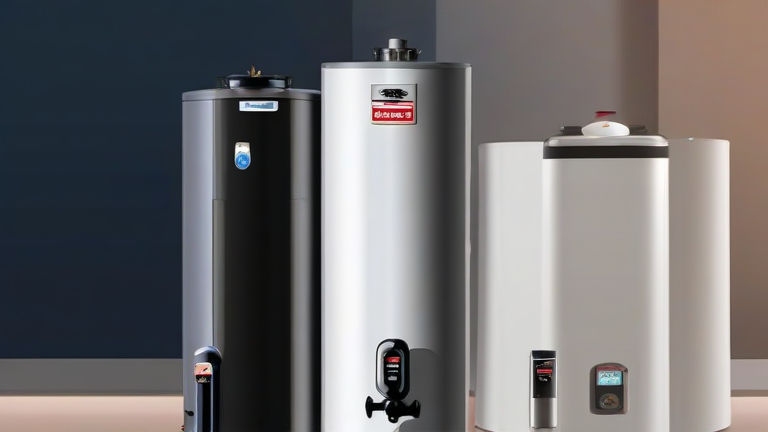
TL;DR: Brands achieve 20+ year water heater lifespans by using sacrificial anode rods, glass-lined steel tanks, and controlled temperature settings, while engineering for easy maintenance. The secret isn’t thicker metal alone—it’s preventing corrosion through chemistry and user habits.
Step-by-Step: How Brands Engineer Longevity
Step 1: Spec a glass-lined tank with a magnesium or aluminum anode. The #1 killer is rust. Top brands (Rheem, AO Smith, Bradford White) coat the steel interior with porcelain-enamel glass. But glass cracks under thermal stress. So they install a sacrificial anode rod—a magnesium or aluminum core that corrodes instead of the tank. Replace this rod every 3–5 years, and the tank can outlive the warranty.
If you want to dig deeper, check out our guide on Autonomous Vehicle Cybersecurity: Top Network Threats.
Step 2: Install a dielectric nipple on all water connections. Copper or brass fittings touching steel creates galvanic corrosion. Brands use plastic-lined dielectric nipples to break that electrical path. If you replace fittings, always use dielectric unions—not bare brass—to keep the tank isolated.
Step 3: Keep the thermostat at 120–125°F (49–52°C). Higher heat accelerates sediment buildup and stresses the glass lining. Brands test tanks at 180°F, but they recommend 120°F for daily use. This reduces thermal expansion, which is what actually cracks glass linings over decades.
Step 4: Flush 2–3 gallons every 3 months. Sediment (calcium, magnesium) settles on the bottom burner. That layer insulates the heat, making the burner run hotter and longer, warping the tank floor. A simple drain valve flush removes the grit. Brands that offer “self-cleaning” designs use a curved dip tube to swirl water—but manual flushing still beats passive design.
Step 5: Replace the anode proactively (not reactively). Check it annually with a socket wrench. If the core is down to a pencil-thin wire or covered in white crust, swap it out. A $30 rod every 5 years is cheaper than a $1,200 tank replacement. Some brands use a “power anode” (electronic) that never depletes—but the sacrificial type is simpler to maintain yourself.
Step 6: Insulate the tank exterior (but never the thermostat). Wrapping the tank in an R-10 blanket reduces cycling frequency. Less cycling = less thermal shock to the glass. Brands do this from the factory on high-efficiency models; for older units, buy a retrofit blanket. Keep the top thermostat exposed to avoid false readings.
FAQ
Q: Can I make my existing water heater last 20 years without buying a premium model?
A: Yes—if you replace the anode rod every 3–5 years, flush quarterly, and keep the temp at 120°F. The anode is the single deciding factor; without it, the tank rusts from the inside out in 8–10 years regardless of brand.
Q: Do tankless water heaters last longer than tank models?
A: Tankless units often last 20+ years because they have no storage tank to corrode, but their heat exchangers can scale up. Brands use copper or stainless steel exchangers and recommend annual descaling with vinegar—maintenance is different, not zero.
Q: Is a “lifetime warranty” on the tank a good sign of 20-year durability?
A: Not necessarily. Most lifetime warranties prorate the replacement cost after year 5 and exclude labor. They signal confidence, but the real longevity comes from your maintenance habits. A cheap tank with a new anode every 4 years will outlast an expensive tank with no anode care.
Leave a Reply