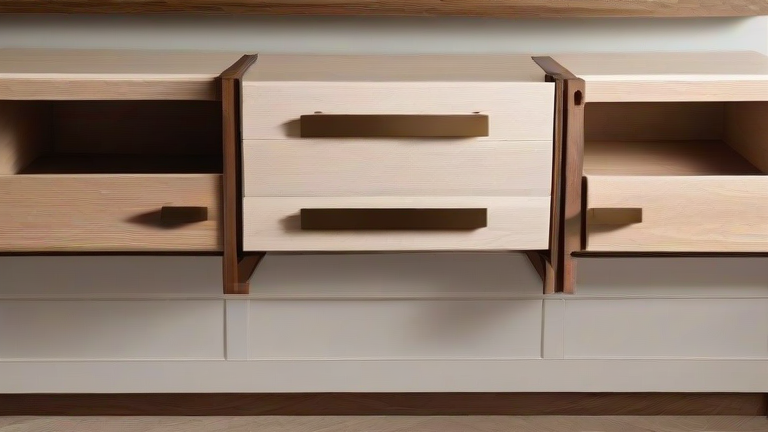
Why Solid Wood Furniture Is Back in Trend
TL;DR: Solid wood furniture is resurging due to a growing consumer demand for sustainable, durable, and aesthetically timeless pieces that align with the biophilic design movement. This shift is further accelerated by the “buy it once, buy it well” philosophy, which prioritizes long-term value and environmental responsibility over cheap, disposable fast furniture.
The global furniture market has undergone a significant paradigm shift in the last five years, moving away from the mass-produced particleboard and veneer items that dominated the mid-2010s. According to a recent report by Grand View Research, the global solid wood furniture market is projected to grow at a compound annual growth rate (CAGR) of 6.5% from 2023 to 2030. This growth is not merely a cyclical fashion trend but a structural change in consumer behavior driven by heightened environmental awareness and a desire for authenticity in home interiors. As remote work becomes more permanent, consumers are investing heavily in their living spaces, seeking pieces that offer both functional utility and emotional resonance, qualities that mass-produced alternatives often lack.
If you want to dig deeper, check out our guide on Why the Dyson V15 Detect Vacuum Is Worth the Premium Price.
The Sustainability Factor
Environmental concerns are the primary catalyst for this resurgence. Modern consumers are increasingly scrutinizing the carbon footprint of their purchases, leading to a rejection of “fast furniture” that is designed to be discarded after a few years of use. Solid wood, particularly when sourced from certified sustainable forests like those managed by the Forest Stewardship Council (FSC), offers a viable alternative. Unlike engineered wood, which relies on synthetic adhesives that can emit volatile organic compounds (VOCs), solid wood is a natural, renewable resource. Furthermore, solid wood furniture is biodegradable and can be repaired, refinished, or repurposed, extending its lifecycle significantly. This circularity appeals to the eco-conscious demographic that makes up a substantial portion of today’s buying power.
Expert Insights on Design and Durability
Industry experts highlight the tactile and visual appeal of solid wood as a key driver. “There is an inherent warmth and texture to solid wood that cannot be replicated by synthetic materials,” says Elena Ross, a senior interior design consultant. “In an era where digital screens dominate our lives, people are craving natural materials that ground them. The grain patterns, the weight, and the aging process of wood create a narrative that connects the user to the material.” Additionally, the durability of high-quality hardwoods like oak, walnut, and maple ensures that these pieces maintain their structural integrity for decades. This longevity translates to a lower total cost of ownership, a metric that is increasingly important for financially prudent consumers.
Future Predictions
Looking ahead, the trend toward solid wood is expected to deepen with advancements in manufacturing and supply chain transparency. Blockchain technology is beginning to be utilized to track the provenance of timber, allowing consumers to verify that their furniture is sourced ethically. We also anticipate a rise in hybrid designs that combine solid wood with other sustainable materials like bamboo or reclaimed metals. The market will likely see a further consolidation of brands that prioritize quality over quantity, as smaller, artisanal manufacturers gain visibility through social media and direct-to-consumer models. As the demand for authentic, long-lasting home goods continues to rise, solid wood furniture is poised to remain a staple in the interior design landscape for the foreseeable future.
FAQ
Q: Is solid wood furniture always more expensive than particleboard?
A: Yes, initial costs are higher due to material and craftsmanship, but it offers greater longevity and resale value, resulting in a lower long-term cost.
Q: How can I ensure my solid wood furniture is sustainably sourced?
A: Look for certifications such as FSC or PEFC, which guarantee that the wood comes from responsibly managed forests that meet strict environmental standards.
Q: What types of wood are most popular for this trend?
A: Oak, walnut, and maple are currently the most sought-after due to their durability, distinct grain patterns, and ability to age gracefully over time
Leave a Reply