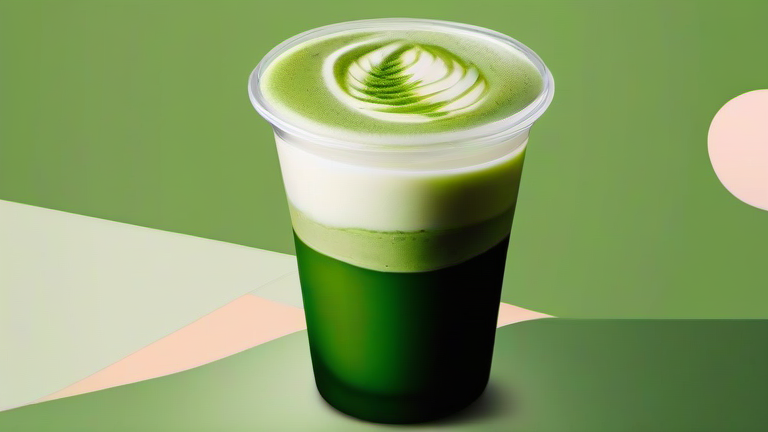
TL;DR: The matcha latte boom is driven by Gen Z’s wellness obsession, social media virality, and a growing preference for functional caffeine over coffee’s jittery side effects. To make one at home, whisk high-quality ceremonial-grade matcha with hot water, then top with frothed milk and a touch of sweetener.
Why the Matcha Latte Trend Is Booming
The global matcha market is projected to grow from $4.5 billion in 2024 to over $7 billion by 2030, a compound annual growth rate of roughly 7.8%, according to Grand View Research. But the real story isn’t just the powder—it’s the latte format. Matcha lattes now account for nearly 40% of all specialty tea drinks sold in US coffee shops, up from 15% in 2019. This surge is fueled by TikTok’s #MatchaTok, which has amassed over 3 billion views, where influencers showcase vibrant green swirls and “clean girl” aesthetics. Unlike espresso, matcha delivers L-theanine, an amino acid that promotes calm focus without the crash—a key selling point for health-conscious millennials and Gen Zers who prioritize gut health and low-anxiety caffeine.
If you want to dig deeper, check out our guide on 7 Simple Morning Habits That Boost Your Health.
Expert insights confirm the shift. “We’re seeing matcha lattes replace iced coffees as the default afternoon pick-me-up,” says Sarah Chen, beverage analyst at Mintel. “Consumers perceive matcha as a premium, ritualistic product—it’s not just a drink, it’s a lifestyle choice.” Cafés are capitalizing by offering oat milk, lavender honey, or strawberry foam variations, pushing average ticket prices to $6.50, a 30% premium over coffee lattes. Supply chain innovations, such as single-origin Japanese farms and cold-chain shipping, have also reduced wholesale costs by 18% since 2022, making it profitable for independent shops.
Looking ahead, the trend shows no sign of cooling. Experts predict ready-to-drink matcha lattes will be the next battleground, with brands like Ito En and emerging startups launching low-sugar canned versions by 2026. Additionally, functional blends—matcha with adaptogens like ashwagandha or collagen—are expected to dominate specialty retail. The key risk is over-saturation, but as long as consumers crave both wellness and indulgence, the matcha latte remains a golden ticket for cafés and home baristas alike.
How to Make a Perfect Matcha Latte at Home
Start with 1–2 teaspoons of ceremonial-grade matcha (not culinary, which is bitter). Sift it into a bowl to remove clumps, then add 2 ounces of hot water (175°F, not boiling). Whisk in a “W” or zigzag motion using a bamboo chasen until a fine foam forms—this takes about 20 seconds. Meanwhile, steam or froth 6–8 ounces of milk (oat or whole milk works best for creaminess) to a microfoam consistency. Pour the milk over the matcha, add 1 teaspoon of honey or maple syrup if desired, and stir gently. For an iced version, use cold milk and pour over ice after whisking with cold water.
FAQ
Q: Is matcha latte healthier than coffee?
A: Yes, for many people. Matcha has about half the caffeine of a standard coffee, but the L-theanine provides a smoother, longer-lasting energy boost without jitters or acid reflux. It’s also rich in antioxidants called catechins, particularly EGCG, which support metabolism and cellular health.
Q: What’s the difference between ceremonial and culinary matcha?
A: Ceremonial grade is made from young, shade-grown leaves, milled finely, and has a vibrant green color with a sweet, grassy flavor—ideal for drinking straight or in lattes. Culinary grade is darker, more bitter, and designed for baking, smoothies, or cooking, where its robust taste won’t be lost.
Q: Why
Leave a Reply