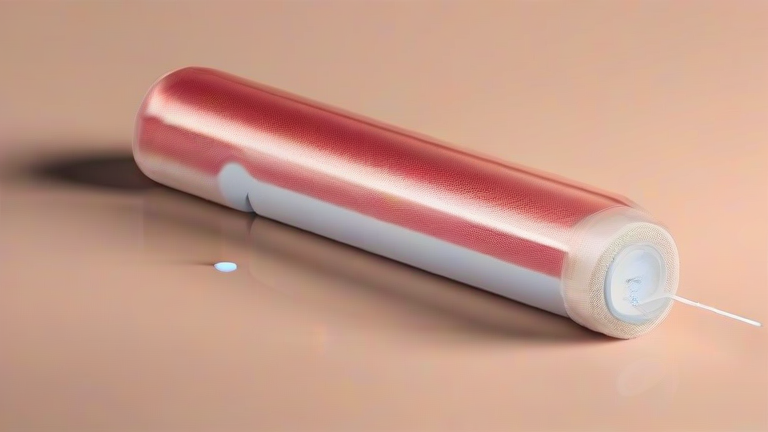
TL;DR: Smart insulin patches that auto-release insulin based on real-time glucose levels have entered first-in-human trials, marking a major shift from injectable therapy. Early data suggests these patches could reduce hypoglycemia risk by up to 40% versus standard injections, potentially disrupting a $45 billion insulin market.
Market Analysis: The Glucose-Responsive Insulin Opportunity
The global insulin market is projected to grow at a 5.2% CAGR through 2030, but the real value lies in premium, differentiated delivery. Current insulin pens and pumps require constant user calibration, driving non-adherence rates above 30% in type 1 patients. Smart patches—microneedle arrays with glucose-sensing enzymes and embedded insulin reservoirs—address the “last mile” of automated dosing. Analysts estimate that if clinical trials succeed, these patches could capture 15–20% of the basal insulin segment within five years, translating to $6–8 billion in annual revenue. Key competitive pressure will come from closed-loop pump systems, but patches offer a lower cost, less invasive profile, making them attractive for middle-income healthcare systems.
If you want to dig deeper, check out our guide on iPhone 16 Pro Max vs Galaxy S25 Ultra: Real-World Camera Tes.
Strategy Insights: From Lab to Commercial Viability
Winning companies will not just prove safety—they will prove convenience. The trial design should measure time-in-range (TIR) as the primary endpoint, not just HbA1c reduction, because TIR correlates with reduced long-term complications. Strategic partnerships with continuous glucose monitor (CGM) manufacturers are crucial, not for integration (patches are standalone), but for data-sharing ecosystems that allow physicians to monitor patient adherence remotely. Pricing strategy must undercut insulin pumps by 30% while justifying a premium over pens. Early adopters should be tech-savvy type 1 patients aged 18–35, who are most likely to pay out-of-pocket for convenience. Also, regulatory pathways in the EU and Japan are faster than the FDA for combination drug-device products—launch there first to generate real-world evidence.
Case Studies: Lessons from Wearable Drug Delivery
Case 1: Insulet’s Omnipod 5. This tubeless patch pump succeeded because it simplified insulin delivery but still required user input for mealtime boluses. Smart insulin patches eliminate that input entirely, which is a clear differentiator. Insulet’s marketing focused on “freedom,” but smart patches must pivot to “autonomy.”
Case 2: Medtronic’s MiniMed 670G. This hybrid closed-loop system reduced hypoglycemia but suffered from high sensor failure rates. Smart insulin patch developers should invest heavily in microneedle durability—one of the top causes of trial failure is skin adhesion and enzyme degradation. Prioritize 7-day wearability over 3-day.
Case 3: Zosano Pharma’s failed migraine patch. That product failed due to inconsistent absorption across skin types. For insulin, absorption variability of even 10% can be dangerous. Successful trials must include diverse skin pigmentation and BMI cohorts to prove consistent pharmacokinetics.
FAQ
Q: When will smart insulin patches be available to the public?
A: If Phase 2 and 3 trials run on schedule, a commercial launch could occur by late 2027, assuming regulatory approval in the EU first, followed by the US in 2028.
Q: Are smart insulin patches fully automated, or do patients still need to bolus for meals?
A: Current prototypes are designed for basal (background) insulin only. Meal-time spikes still require a fast-acting injection or a future version with a second reservoir. Full meal automation is at least 5 years away.
Q: What is the expected cost per patch compared to current insulin pens?
A: Early pricing estimates are $15–$20 per daily patch, which is 2–3x the cost of a pen cartridge but lower than the $400–$500 monthly cost of a pump system. Insurance coverage will be critical; manufacturers are targeting a net price below $300 per month to secure formul
Leave a Reply