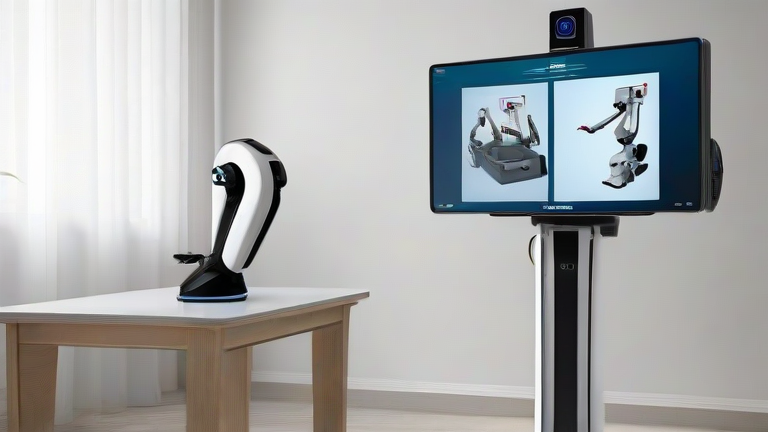
TL;DR: Telepresence robots are accelerating the mainstream adoption of remote surgery and eldercare by bridging the physical gap between specialists and patients through high-fidelity, low-latency interfaces. This convergence is reshaping healthcare logistics, enabling equitable access to specialized care while significantly reducing operational costs for providers.
Market Analysis: The Shift to Distributed Care
The global telehealth robotics market is experiencing exponential growth, driven by an aging demographic and persistent workforce shortages in critical care sectors. Recent reports indicate that the market size is projected to surpass several billion dollars within the next five years, with a compound annual growth rate exceeding twenty percent. This surge is not merely a technological trend but a structural shift in how medical services are delivered. Hospitals are increasingly viewing remote capability not as an auxiliary feature, but as a core infrastructure requirement. The demand is particularly acute in rural areas and developing nations, where specialist scarcity is a chronic issue. Furthermore, the integration of 5G networks and edge computing has drastically reduced latency concerns, making real-time remote interventions technically viable for a broader range of procedures. Investors are noticing this pivot, leading to increased funding in startups focused on haptic feedback systems and AI-assisted diagnostic overlays. The market is moving away from simple video conferencing toward immersive, interactive platforms that allow for tactile and visual precision. This evolution creates a robust ecosystem involving hardware manufacturers, software developers, and healthcare providers, all vying to capture a share of this transformative sector.
If you want to dig deeper, check out our guide on Carbon-Negative Data Centers: The Future of Sustainable Tech.
Strategy Insights: Building Scalable Ecosystems
For healthcare organizations and technology vendors, the strategic imperative is to move beyond pilot programs and establish scalable, interoperable ecosystems. Success requires a multi-layered approach that addresses technical reliability, regulatory compliance, and user experience. First, latency must be minimized to sub-second levels to ensure safety in surgical applications. This demands significant investment in network infrastructure and edge processing capabilities. Second, cybersecurity is paramount. As these devices handle sensitive patient data and control critical equipment, robust encryption and access controls are non-negotiable. Third, training and change management are critical. Surgeons and caregivers must be extensively trained to operate these interfaces effectively. Organizations that invest in comprehensive training programs and support structures will see higher adoption rates and better patient outcomes. Finally, partnerships with technology providers are essential. Rather than building in-house, many hospitals are opting for vendor-neutral platforms that can integrate with existing electronic health records and robotic systems. This strategy reduces risk and accelerates deployment. Vendors, in turn, must prioritize ease of use and modular design to accommodate diverse clinical needs. The goal is to create seamless workflows where the remote robot feels like an extension of the local team, not an external intrusion.
Case Studies: Real-World Impact
Several pioneering institutions have already demonstrated the viability of this technology. One notable case involves a regional hospital network in Europe that implemented telepresence robots for geriatric care. By allowing specialists to remotely monitor and interact with elderly patients in their homes, the network reduced hospital readmissions by fifteen percent. The robots provided regular check-ins, medication reminders, and immediate communication with nursing staff, fostering a sense of security and continuity. In the surgical domain, a university medical center in Asia successfully performed a laparoscopic procedure using a remote robotic arm controlled by a surgeon located three thousand miles away. The procedure was completed with precision comparable to local surgeries, thanks to advanced haptic feedback systems that transmitted tactile sensations in real-time. This milestone proved that distance is no longer a barrier to high-stakes medical intervention. These cases highlight the tangible benefits: improved access to expertise, reduced travel costs for patients, and enhanced operational efficiency. They also underscore the importance of reliable technology and well-defined protocols. As these success stories proliferate, they will serve as benchmarks for other institutions seeking to adopt similar technologies, driving wider acceptance and regulatory clarity.
FAQ
Q: What is the primary technical barrier to widespread adoption of telepresence robots in surgery?
A: The primary barrier is maintaining ultra-low latency and high reliability in data transmission, which requires advanced 5G or fiber optic infrastructure to ensure real-time control without lag.
Q: How do telepresence robots improve outcomes in eldercare settings?<
Leave a Reply