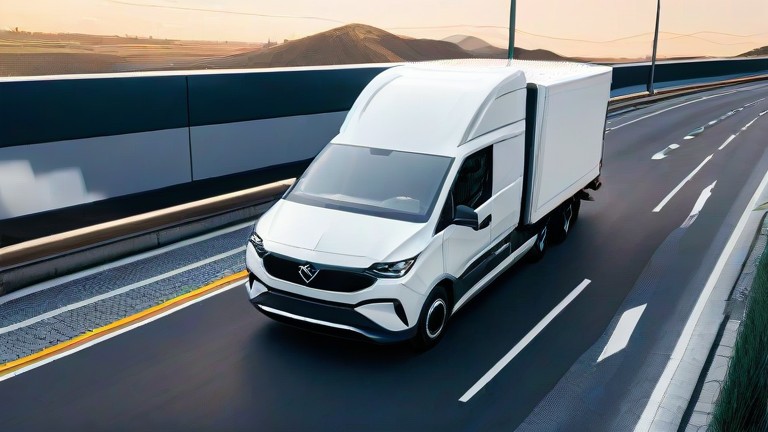
TL;DR: Autonomous logistics networks reduce last-mile costs by replacing high-expense human labor with scalable, electric autonomous vehicles and optimizing routes through real-time data. Implementation requires integrating sensor-equipped fleets with centralized AI dispatch systems to achieve operational efficiency.
Building Your Autonomous Fleet Infrastructure
Begin by auditing your current last-mile operations to identify high-cost zones and peak demand windows. This baseline analysis is crucial for determining the specific type of autonomous vehicle (AV) needed, whether it is a sidewalk robot for local packages or a larger autonomous van for neighborhood distribution. Select hardware that offers modular cargo bays to accommodate varying package sizes without requiring multiple vehicle types. Ensure all selected units support remote intervention protocols, allowing human operators to override the system in complex or emergency situations. This hybrid approach mitigates the risks associated with fully autonomous operation while maintaining the cost benefits of reduced driver wages and overtime payments.
If you want to dig deeper, check out our guide on Electric Aviation Advances in Short-Haul Travel.
Integrating Centralized AI Dispatch Systems
Deploy a cloud-based orchestration platform that connects all AVs to a central AI brain. This system must utilize machine learning algorithms to predict traffic patterns, weather conditions, and demand spikes. The software should dynamically reroute vehicles in real-time, avoiding congestion and minimizing battery consumption. Implement predictive maintenance modules that monitor vehicle health data, including tire pressure, battery degradation, and sensor calibration. By addressing mechanical issues before they cause breakdowns, you prevent costly downtime and emergency repair services. The dispatch system must also integrate seamlessly with your existing Warehouse Management System (WMS) to ensure seamless handoffs between warehouse staff and autonomous units.
Optimizing Regulatory Compliance and Safety
Work closely with local authorities to secure necessary permits for autonomous vehicle operation on public roads or private properties. Compliance is not just a legal requirement but a trust-building exercise with the community. Install redundant safety systems, including LiDAR, radar, and high-definition cameras, to ensure 360-degree environmental awareness. Regularly update software through over-the-air (OTA) patches to improve navigation accuracy and response times. Monitor key performance indicators such as cost per delivery, vehicle uptime, and customer satisfaction scores. Use this data to fine-tune algorithms and expand your network gradually. Start with dense urban areas where the cost savings from labor reduction are most pronounced, then expand to suburban regions as reliability improves.
Finally, train your workforce to transition from driving roles to fleet management and exception handling. This cultural shift is vital for long-term success. By embracing autonomous logistics, companies can significantly lower their carbon footprint while simultaneously boosting profit margins through operational excellence. The key to success lies in continuous iteration, leveraging data to refine every aspect of the delivery process.
FAQ
Q: How long does it take to implement an autonomous network?
A: Initial pilot programs typically take six to twelve months, while full-scale deployment can range from one to three years depending on regulatory hurdles and infrastructure readiness.
Q: What is the biggest risk of using autonomous vehicles?
A: The primary risk is technical failure or sensor malfunction in unpredictable environments, which can lead to delays and potential safety incidents if redundancy systems are not robust.
Q: Do autonomous vehicles require dedicated charging stations?
A: While not strictly required, dedicated fast-charging stations significantly increase fleet uptime and reduce operational costs by enabling rapid turnaround times between delivery routes.
Leave a Reply