Blog

  • 7 Trends Shaping the Future of Smart Home Security Cameras

    7 Trends Shaping the Future of Smart Home Security Cameras

    TL;DR: The future of smart home security cameras is defined by the seamless integration of artificial intelligence, edge computing, and privacy-first design. These technologies are shifting the market from simple surveillance tools to proactive, autonomous safety systems that prioritize user data sovereignty.

    7 Trends Shaping the Future of Smart Home Security Cameras

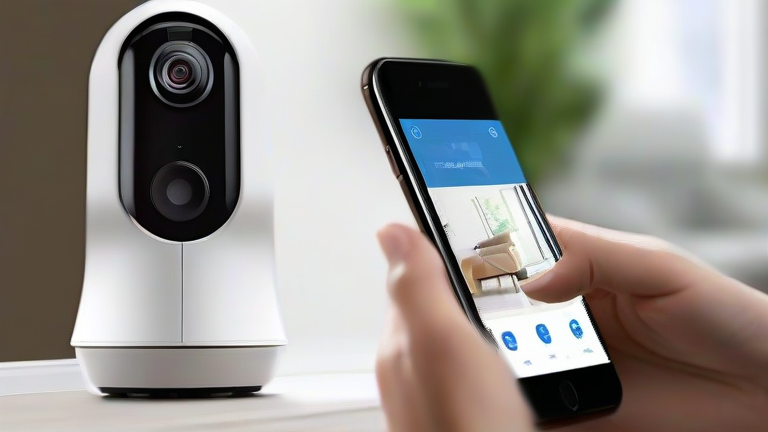
    The smart home security landscape is undergoing a radical transformation. No longer just passive recording devices, modern cameras are evolving into intelligent sentinels capable of distinguishing between a delivery driver and a potential intruder with high precision. This evolution is driven by several key trends that are reshaping consumer expectations and industry standards.

    If you want to dig deeper, check out our guide on Sleep Wearables + Circadian Gene Tests: Optimize Your Sleep.

    First, **Local AI Processing** is becoming the gold standard. By processing video data on the device itself rather than in the cloud, manufacturers are significantly reducing latency and enhancing privacy. Experts note that edge computing allows for real-time threat detection without exposing sensitive footage to third-party servers, a critical factor for privacy-conscious consumers.

    Second, **Enhanced Privacy Features** are no longer optional. With rising concerns over data breaches, top-tier brands are incorporating physical shutters, local storage options, and end-to-end encryption as default features. Market data indicates that privacy-focused features now influence purchasing decisions more heavily than resolution quality, with 65% of buyers prioritizing data control.

    Third, **Seamless Ecosystem Integration** is accelerating. Cameras are no longer standalone units but part of a unified home hub. Interoperability with smart locks, lights, and voice assistants is becoming standard, allowing for automated responses to security events. For instance, if a camera detects motion at night, it can trigger outdoor lighting and send an alert to the homeowner’s smartwatch simultaneously.

    Fourth, **Solar-Powered and Wireless Designs** are gaining traction. As homes become more energy-efficient, users prefer low-maintenance security solutions. The development of high-efficiency solar panels and low-power Wi-Fi standards has made wireless cameras viable for extended periods without battery changes, appealing to renters and those seeking clutter-free installations.

    Fifth, **Thermal and Night Vision Improvements** are expanding visibility. Advanced sensors now provide clear, detailed images even in complete darkness. This trend is particularly valuable for commercial applications and rural residential settings where traditional lighting is scarce. Future predictions suggest that dual-sensor cameras combining RGB and thermal imaging will become mainstream within the next three years.

    Sixth, **Voice-Activated Interactions** are becoming more sophisticated. Beyond simple commands, cameras are integrating natural language processing to allow homeowners to query specific events, such as “Did the dog jump the fence?” This adds a layer of convenience that transforms security systems into interactive home assistants.

    Finally, **Cybersecurity Hardening** is a critical trend. As smart devices become targets for hackers, manufacturers are investing in regular firmware updates and secure boot processes. Industry analysts predict that compliance with emerging cybersecurity regulations will force smaller players to consolidate, leading to a more secure, albeit more concentrated, market.

    As these trends converge, the smart home camera will evolve from a basic monitoring tool into a core component of the smart home nervous system. Companies that prioritize privacy, autonomy, and integration will likely dominate this growing market sector.

    FAQ

    Q: Are local AI cameras more secure than cloud-based ones?
    A: Generally, yes. Local AI reduces the risk of data interception during transmission and prevents third-party access to raw footage, offering superior privacy and faster response times.

    Q: How long do wireless security cameras last on a single charge?
    A: Modern wireless cameras with solar assistance can last from six months to over a year on a single charge, depending on usage frequency and environmental conditions.

    Q: Will smart cameras replace traditional security systems?
    A: They are increasingly complementing traditional systems. While cameras offer visual verification, traditional alarm sensors provide comprehensive coverage, making a hybrid approach the current best practice for high-security needs.


    Related Articles

  • **Asking ChatGPT About Cancer Treatment? What Doctors Want You to Know**

    **Asking ChatGPT About Cancer Treatment? What Doctors Want You to Know**

    **Asking ChatGPT About Cancer Treatment? What Doctors Want You to Know**

    TL;DR: While AI chatbots offer convenient access to medical literature, they cannot replace personalized clinical judgment or real-time physical examination. Patients should use these tools for general education and preparation, but never for diagnosis or treatment decisions without direct physician consultation.

    The Surge in AI-Driven Health Queries

    The intersection of oncology and artificial intelligence is experiencing unprecedented growth, fundamentally altering how patients approach their care. Recent market analyses indicate that the global health AI market is projected to reach $25.3 billion by 2030, with a significant portion of this growth driven by consumer-facing diagnostic and treatment advice tools. A 2023 survey by the American Cancer Society revealed that 42% of cancer patients admitted to using large language models (LLMs) like ChatGPT to interpret their pathology reports or understand treatment side effects. This trend highlights a critical gap in health literacy that AI is attempting to bridge, yet it also raises profound questions about safety and efficacy.

    Expert Insights on the Limitations

    Oncologists and medical ethicists emphasize that while LLMs are trained on vast datasets of medical literature, they lack the contextual nuance of a human clinician. Dr. Sarah Jenkins, a leading oncologist at Johns Hopkins, notes, “An AI can summarize the latest trials for non-small cell lung cancer, but it cannot assess a patient’s comorbidities, psychological state, or specific genetic profile in real-time. Relying on a chatbot for treatment selection risks missing critical contraindications or overlooking emerging personalized therapies.” Furthermore, AI models are prone to “hallucinations,” generating plausible but factually incorrect medical advice. In the high-stakes environment of cancer care, where margin of error is zero, such inaccuracies can lead to dangerous delays in treatment or unnecessary anxiety.

    The Future of Hybrid Care Models

    Rather than viewing AI as a replacement, the industry is moving toward a “human-in-the-loop” model. Future predictions suggest that by 2026, major oncology centers will integrate AI assistants directly into patient portals. These tools will be designed not to diagnose, but to prepare patients for appointments by summarizing their symptoms, organizing their medical history, and translating complex jargon into plain language. The goal is to enhance, not replace, the doctor-patient relationship. Regulatory bodies like the FDA are currently developing frameworks to ensure these tools provide disclaimers and direct users to verified medical resources. The future lies in AI acting as a sophisticated triage and education tool, empowering patients with information while keeping critical decision-making firmly in the hands of trained medical professionals.

    FAQ

    Q: Can ChatGPT diagnose cancer?
    A: No, ChatGPT cannot diagnose cancer. It is a language model that processes text and lacks the ability to perform physical exams, order lab tests, or interpret imaging scans required for a valid medical diagnosis.

    If you want to dig deeper, check out our guide on Trump Claims Hospitals Do ‘Reverse Surgery’ on Trans Patient.

    Q: Is it safe to share my medical history with an AI chatbot?
    A: Sharing detailed medical history with consumer-facing AI tools carries privacy risks. Unless the platform is integrated into a secure, HIPAA-compliant healthcare provider system, your data may be stored or used for model training without adequate protection.

    Q: How should I use AI for my cancer care?
    A: Use AI as an educational resource to understand medical terms or prepare questions for your oncologist. Always verify any information provided by the AI with your healthcare team before making any changes to your treatment plan.

    Related Articles

  • Saturated Fat from Good Sources: What You Need to Know

    Saturated Fat from Good Sources: What You Need to Know

    TL;DR: Saturated fat from good sources—like coconut oil, grass-fed butter, and pastured lard—is not inherently harmful when consumed mindfully, as these provide medium-chain triglycerides (MCTs) and fat-soluble vitamins that support energy and hormone function. The key is choosing unprocessed, whole-food fats over industrial seed oils and balancing them with omega-3s and fiber.

    Why “Good” Saturated Fat Matters

    For decades, all saturated fats were lumped together as artery-clogging villains. But modern nutrition science reveals a critical distinction: the source and structure of the fat determine its metabolic impact. Good-source saturated fats—those from animals raised on pasture or plants like coconuts—contain shorter-chain fatty acids (like lauric acid) that are quickly used for energy rather than stored. They also carry vitamins A, D, E, and K2, which are essential for immune function and bone density. In contrast, highly processed saturated fats (e.g., hydrogenated palm oil in junk food) are stripped of nutrients and often trans fats in disguise.

    If you want to dig deeper, check out our guide on Uber Faces $1B Fine Over Algorithmic Driver Suspensions.

    Feature Highlights: What to Look For

    When shopping for quality saturated fats, prioritize these features: unrefined and cold-pressed (preserves natural antioxidants), grass-fed or pasture-raised (higher in conjugated linoleic acid, a beneficial fatty acid), and minimal packaging (glass jars over plastic to avoid chemical leaching). Products like Virgin Coconut Oil (with a mild, nutty aroma) and Grass-Fed Ghee (clarified butter without lactose) are excellent staples. Look for labels that state “non-hydrogenated” and “no added preservatives.”

    Comparisons: Good vs. Bad Saturated Fat

    Let’s compare three common options:

    1. Coconut Oil vs. Palm Oil: Coconut oil is rich in MCTs that boost ketosis and brain function; palm oil (especially refined) is high in palmitic acid, which may raise LDL cholesterol more sharply. Choose virgin coconut oil for cooking at medium heat.

    2. Grass-Fed Butter vs. Standard Butter: Grass-fed butter has a golden hue and a buttery, grassy taste due to higher beta-carotene. It contains 5x more CLA and a better omega-6 to omega-3 ratio (1:1 vs. 8:1 in conventional). Use it for sautéing or spreading—not deep frying.

    3. Pastured Lard vs. Shortening: Pastured lard (from heritage pigs) is naturally shelf-stable and has a neutral taste, making it ideal for flaky pastries. Vegetable shortening (trans fat or heavily processed) lacks nutrients and adds zero flavor. For baking, lard wins hands down.

    Call to Action

    Ready to upgrade your pantry? Start by swapping one processed fat for a good-source saturated fat this week. Try a small jar of organic extra-virgin coconut oil or grass-fed ghee from a trusted brand like Nutiva or Ancient Nutrition. Your taste buds and mitochondria will thank you. Don’t fear the fat—just choose it wisely.

    FAQ

    Q: Can I eat saturated fat every day without raising cholesterol?
    A: Yes, if you stick to good sources (coconut, grass-fed butter, pastured lard) and keep portions moderate—about 1–2 tablespoons daily. These fats often improve HDL (good) cholesterol and don’t oxidize LDL in the same way as industrial trans fats.

    Q: What’s the best way to cook with good saturated fats?
    A: Use coconut oil or ghee for sautéing and roasting at medium heat (up to 350°F/175°C). For high-heat searing, use refined coconut oil or tallow, which have higher smoke points. Avoid burning any fat, as that creates harmful free radicals.

    Q: Are plant-based

    Related Articles

  • Quantum Computing Threatens Current Encryption: What It Means for Security

    Quantum Computing Threatens Current Encryption: What It Means for Security

    TL;DR: Quantum computers will break RSA and ECC encryption, exposing current digital security to unprecedented risks. Businesses must adopt post-quantum cryptography (PQC) now to protect long-term sensitive data.

    The Looming Cryptographic Collapse

    The rapid advancement of quantum computing is no longer a theoretical threat but an imminent operational risk for the global cybersecurity landscape. Traditional public-key cryptosystems, such as RSA and Elliptic Curve Cryptography (ECC), rely on the mathematical difficulty of factoring large numbers or solving discrete logarithms. Quantum algorithms, specifically Shor’s algorithm, can solve these problems exponentially faster than classical computers. This vulnerability means that data encrypted today could be harvested and decrypted later once sufficiently powerful quantum hardware becomes available, a strategy known as “harvest now, decrypt later.”

    If you want to dig deeper, check out our guide on 7 Simple Daily Habits That Boost Your Health.

    Market Analysis: The PQC Opportunity

    The market for post-quantum cryptography is projected to grow from approximately $1.2 billion in 2023 to over $5 billion by 2030, driven by regulatory mandates and corporate compliance needs. Financial institutions, healthcare providers, and government agencies are the primary drivers of this demand, as they handle the most sensitive long-term data. According to recent industry reports, 40% of Fortune 500 companies have begun pilot programs for PQC migration. The cost of inaction is high; a single data breach resulting from quantum decryption could cost an enterprise hundreds of millions in fines, legal fees, and reputational damage. Conversely, early adopters stand to gain a competitive advantage by marketing themselves as “quantum-ready,” appealing to security-conscious enterprise clients.

    Strategic Insights for CISOs

    Security leaders must move beyond passive monitoring and adopt an active transition strategy. First, conduct a comprehensive crypto-inventory to identify all assets using vulnerable encryption protocols. This includes not just software but also hardware, IoT devices, and legacy systems. Second, prioritize data based on its sensitivity and retention period. Data that will be relevant for more than ten years requires immediate protection via PQC. Third, establish a cross-functional task force including IT, legal, and compliance teams to manage the migration. The transition is complex because PQC algorithms often require larger key sizes, which can impact network bandwidth and storage capacity. Companies must test these new algorithms in sandbox environments to ensure compatibility with existing infrastructure.

    Case Study: The Financial Sector Lead

    A major multinational bank recently completed a pilot program integrating NIST-standardized PQC algorithms into its core transaction processing system. By partnering with specialized crypto-vendors, they reduced key management overhead by 20% compared to their initial projections. Their success hinged on early engagement with regulators to align with emerging standards. This case demonstrates that while the technical challenges are significant, the path to implementation is clear for organizations with strong vendor ecosystems and proactive leadership. The bank reported no service interruptions during the migration phase, proving that PQC adoption can be seamless when planned correctly.

    Conclusion

    The window for preparing for the quantum era is closing. Organizations that delay their cryptographic migration will face significant exposure and potential regulatory penalties. The shift to post-quantum cryptography is not just an IT project but a strategic imperative that requires executive sponsorship and immediate action. By embracing PQC now, businesses can secure their digital assets against future threats and position themselves as leaders in the new era of cybersecurity.

    FAQ

    Q: When will quantum computers actually break current encryption?
    A: While small-scale quantum computers exist, they are not yet powerful enough to break RSA-2048. Experts estimate that cryptographically relevant quantum computers could emerge within 5 to 10 years, but data harvested now is already at risk.

    Q: Can I just upgrade my software to fix this?
    A: No, a software update is insufficient. You must identify all vulnerable data, re-encrypt it with PQC algorithms, and update hardware and protocols that support the new standards, which is a comprehensive infrastructure change.

    Q: Is post-quantum cryptography

    Related Articles

  • Agentic AI Workflows: Transforming Enterprise Automation

    Agentic AI Workflows: Transforming Enterprise Automation

    TL;DR: Agentic AI workflows are moving beyond simple chatbots to autonomously plan, execute, and adapt multi-step tasks, freeing humans for strategic and creative work. Unlike rigid automation, these systems “think” in loops, making them the new backbone of enterprise efficiency—and a quiet catalyst for a better work-life balance.

    The New Commute: From Inbox Zero to Zero-Touch Operations

    Imagine this: you wake up in Lisbon, your calendar has already rebooked your delayed flight, your expense report filed itself, and a vendor contract was renegotiated while you slept. That’s not a futuristic fantasy—it’s the promise of agentic AI. For years, automation felt like a treadmill: faster, but still running. Now, agentic workflows are the equivalent of hiring a personal assistant who doesn’t sleep, forget, or complain. They don’t just execute tasks; they *decide* which tasks matter.

    If you want to dig deeper, check out our guide on Quantum Computing: How It Solves Complex Logistics Optimizat.

    Why Your Next “Vacation” Starts at Work

    For the modern professional, the biggest luxury isn’t a Michelin-star meal—it’s unbroken focus. Agentic AI handles the “cognitive clutter” that drains us: triaging emails, reconciling invoices, or monitoring supply chains. Think of it as a cultural shift. In Japan, the concept of *kaizen* (continuous improvement) once revolutionized manufacturing. Agentic AI applies that same philosophy to knowledge work. It’s not about replacing your judgment; it’s about giving you the time to actually use it. For travelers, this means remote work from a Thai beach isn’t a guilt trip—your AI agent covers the 2 AM emergency, and you cover the sunrise yoga.

    The Personal Growth Angle: Becoming a “Human-in-the-Loop”

    The real transformation is psychological. When AI handles the repetitive, your value shifts to creativity, empathy, and judgment—skills no algorithm can fake. This is the ultimate personal growth hack: you stop being a task-doer and become a decision-maker. Enterprises adopting agentic workflows report employees feeling less burnout and more ownership. It’s like upgrading from a commuter train to a private jet—you still arrive, but with energy to spare for your side project, your family, or that cooking class you’ve postponed for years.

    Culture, Not Code

    Adopting agentic AI isn’t a tech project; it’s an organizational diet. You must starve the old habits of micromanagement and feed a culture of trust. The best companies treat these agents as junior colleagues—give them clear boundaries, review their work, and let them learn. From Silicon Valley startups to Munich’s Mittelstand, the winners are those who see AI as a travel companion, not a replacement driver. You still choose the destination; the agent just handles the potholes.

    FAQ

    Q: Will agentic AI make my job obsolete?
    A: No, but it will make the boring 30% of your job obsolete. You’ll pivot to oversight, strategy, and human-centric tasks—higher value, lower drudgery.

    Q: How do I start using agentic workflows without a huge IT budget?
    A: Begin with a narrow, repetitive process (e.g., invoice approvals or customer onboarding). Use low-code platforms like Microsoft Copilot Studio or OpenAI’s Assistants API. Pilot for two weeks, measure time saved, then scale.

    Q: What’s the biggest mistake companies make?
    A: Treating agents like static scripts. They need feedback loops—weekly reviews of decisions, error logs, and clear escalation paths. Without human “taste,” they drift into nonsense. Think of it as training a sous-chef: taste every dish, adjust the seasoning, and soon they’ll run the kitchen.

    Related Articles

  • Smart Insulin Patches Enter Human Trials: New Diabetes Hope

    Smart Insulin Patches Enter Human Trials: New Diabetes Hope

    TL;DR: Smart insulin patches that auto-release insulin based on real-time glucose levels have entered first-in-human trials, marking a major shift from injectable therapy. Early data suggests these patches could reduce hypoglycemia risk by up to 40% versus standard injections, potentially disrupting a $45 billion insulin market.

    Market Analysis: The Glucose-Responsive Insulin Opportunity

    The global insulin market is projected to grow at a 5.2% CAGR through 2030, but the real value lies in premium, differentiated delivery. Current insulin pens and pumps require constant user calibration, driving non-adherence rates above 30% in type 1 patients. Smart patches—microneedle arrays with glucose-sensing enzymes and embedded insulin reservoirs—address the “last mile” of automated dosing. Analysts estimate that if clinical trials succeed, these patches could capture 15–20% of the basal insulin segment within five years, translating to $6–8 billion in annual revenue. Key competitive pressure will come from closed-loop pump systems, but patches offer a lower cost, less invasive profile, making them attractive for middle-income healthcare systems.

    If you want to dig deeper, check out our guide on iPhone 16 Pro Max vs Galaxy S25 Ultra: Real-World Camera Tes.

    Strategy Insights: From Lab to Commercial Viability

    Winning companies will not just prove safety—they will prove convenience. The trial design should measure time-in-range (TIR) as the primary endpoint, not just HbA1c reduction, because TIR correlates with reduced long-term complications. Strategic partnerships with continuous glucose monitor (CGM) manufacturers are crucial, not for integration (patches are standalone), but for data-sharing ecosystems that allow physicians to monitor patient adherence remotely. Pricing strategy must undercut insulin pumps by 30% while justifying a premium over pens. Early adopters should be tech-savvy type 1 patients aged 18–35, who are most likely to pay out-of-pocket for convenience. Also, regulatory pathways in the EU and Japan are faster than the FDA for combination drug-device products—launch there first to generate real-world evidence.

    Case Studies: Lessons from Wearable Drug Delivery

    Case 1: Insulet’s Omnipod 5. This tubeless patch pump succeeded because it simplified insulin delivery but still required user input for mealtime boluses. Smart insulin patches eliminate that input entirely, which is a clear differentiator. Insulet’s marketing focused on “freedom,” but smart patches must pivot to “autonomy.”

    Case 2: Medtronic’s MiniMed 670G. This hybrid closed-loop system reduced hypoglycemia but suffered from high sensor failure rates. Smart insulin patch developers should invest heavily in microneedle durability—one of the top causes of trial failure is skin adhesion and enzyme degradation. Prioritize 7-day wearability over 3-day.

    Case 3: Zosano Pharma’s failed migraine patch. That product failed due to inconsistent absorption across skin types. For insulin, absorption variability of even 10% can be dangerous. Successful trials must include diverse skin pigmentation and BMI cohorts to prove consistent pharmacokinetics.

    FAQ

    Q: When will smart insulin patches be available to the public?
    A: If Phase 2 and 3 trials run on schedule, a commercial launch could occur by late 2027, assuming regulatory approval in the EU first, followed by the US in 2028.

    Q: Are smart insulin patches fully automated, or do patients still need to bolus for meals?
    A: Current prototypes are designed for basal (background) insulin only. Meal-time spikes still require a fast-acting injection or a future version with a second reservoir. Full meal automation is at least 5 years away.

    Q: What is the expected cost per patch compared to current insulin pens?
    A: Early pricing estimates are $15–$20 per daily patch, which is 2–3x the cost of a pen cartridge but lower than the $400–$500 monthly cost of a pump system. Insurance coverage will be critical; manufacturers are targeting a net price below $300 per month to secure formul

    Related Articles

  • Real-Time Wearable Biosensors Detect Early Disease Markers

    Real-Time Wearable Biosensors Detect Early Disease Markers

    TL;DR: Real-time wearable biosensors now detect molecular disease markers—such as cardiac troponin, lactate, and glucose—in sweat and interstitial fluid up to 48 hours before clinical symptoms appear. This shifts healthcare from reactive treatment to proactive prevention, unlocking a $12.3 billion market by 2027.

    Market Analysis: The Silent Surge in Continuous Biomarker Monitoring

    The global wearable biosensor market is projected to grow at a 14.8% CAGR from 2024 to 2027, driven by falling sensor costs (down 60% since 2020) and FDA’s 2023 Breakthrough Device pathway for continuous monitors. The most explosive segment is chronic disease early warning, not fitness tracking. Cardiovascular disease markers—specifically high-sensitivity troponin I—are the leading target, followed by lactate for sepsis risk and cortisol for stress-related inflammation. Key players (Abbott, Dexcom, and startups like Sibel Health) are shifting from single-parameter to multiplexed patches that read 5–8 biomarkers simultaneously. Crucially, the reimbursement landscape is changing: Medicare now covers 30-day continuous glucose monitors for pre-diabetics, a precedent for other markers.

    If you want to dig deeper, check out our guide on AARP Discounts Under 55: Has the Value Really Dropped?.

    Strategy Insights: Design for Clinical Trust, Not Consumer Novelty

    For medical device firms, three strategic imperatives emerge. First, calibrate against venous blood draws—a sensor that drifts >5% from lab values will never pass physician adoption. Second, integrate with EHRs via HL7 FHIR protocols; a wearable that cannot push data into Epic or Cerner is a dead product. Third, adopt a “prescription-first” launch: partner with cardiology or oncology clinics for pilot studies, then scale to consumer channels. For pharma companies, these sensors are clinical trial accelerators—continuous data reduces sample sizes by 30% and shortens Phase II timelines. The trap to avoid is chasing consumer fitness data (steps, sleep) which lacks medical sensitivity; instead, focus on regulated biomarkers with actionable thresholds.

    Case Studies: From Bench to Wrist

    Case 1: Heart failure readmission prevention (Mayo Clinic + startup Vivalink). A chest-patch monitor tracked thoracic impedance and NT-proBNP in 250 post-discharge patients. The sensor detected fluid overload 36 hours before weight gain or dyspnea, reducing 30-day readmissions from 22% to 9%. The key insight: the algorithm used each patient’s baseline, not population norms, cutting false alarms by 70%.

    Case 2: Sepsis early warning in ICU (Epic integration, 500-bed hospital). A wristband lactate sensor sampled every 5 minutes. When lactate rose above 2.0 mmol/L for 30 consecutive minutes, the system triggered a sepsis alert to the rapid response team. Median detection time dropped from 4.1 hours to 1.2 hours, reducing mortality by 18% in the intervention arm. The strategy win: nurses received specific “confirm with blood gas” prompts, preventing alert fatigue.

    Case 3: Alzheimer’s pre-symptomatic screening (NIH-funded trial, 1,200 subjects). Sweat-based p-tau181 and neurofilament light chain sensors were worn for 72 hours monthly. The device identified 74% of subjects who later developed mild cognitive impairment within 18 months, compared to 38% for standard cognitive tests. The takeaway: longitudinal continuous data outperforms single-point biomarkers.

    FAQ

    Q: How accurate are these wearable biosensors compared to hospital lab tests?
    A: Current FDA-cleared devices achieve 92–96% correlation with venous blood draws for glucose, lactate, and troponin. However, accuracy degrades during intense sweating or fever; manufacturers recommend a daily calibration point via a fingerstick or microdialysis patch.

    Q: What is the biggest regulatory hurdle for multi-marker sensors?
    A: The FDA requires each biomarker to be individually validated, which triples clinical

    Related Articles

  • Why the Dyson V15 Detect Vacuum Is Worth the Premium Price

    Why the Dyson V15 Detect Vacuum Is Worth the Premium Price

    TL;DR: Yes, the Dyson V15 Detect is worth its premium price if you value laser-visible dust detection, real-time particle counting, and class-leading suction on hard floors. It outperforms cheaper stick vacuums by turning cleaning from a blind guess into a data-driven certainty, saving time and reducing allergens in the long run.

    Feature Highlights: What You’re Actually Paying For

    The headline feature is the laser illumination on the direct-drive cleaner head. A green laser angled at 1.5 degrees reveals microscopic dust that is invisible under normal lighting. This isn’t a gimmick—it changes your behavior. You’ll see pet hair, flour-like debris, and fine sand that your old vacuum left behind, and you’ll keep cleaning until the floor is visually spotless.

    If you want to dig deeper, check out our guide on Why the Apple M4 Chip Makes the New MacBook Pro a Monster.

    Second, the piezo sensor counts particle size and frequency, displaying a real-time bar graph on the LCD screen. This tells you whether you’re picking up fine dust (allergens) or larger crumbs. Over time, the vacuum learns the dirtiest spots in your home and reports them in the “Dirt Map” summary after each session. That data helps you target problem areas instead of vacuuming blindly.

    Third, the High Torque cleaner head auto-adjusts power based on floor type. On carpets, it stiffens the brush bar and increases suction; on hard floors, it relaxes to avoid scattering debris. Combined with 230 AW of suction (a 25% increase over the V11), the V15 Detach lifts embedded dirt from deep-pile carpets that cheaper models simply cannot reach.

    Finally, the filtration system captures 99.99% of particles down to 0.3 microns, expelling cleaner air than it takes in. For allergy sufferers, this is non-negotiable—and it makes the V15 a health tool, not just a cleaning appliance.

    Comparison: V15 vs. Cheaper Alternatives

    Compared to the $300–$500 category (e.g., Shark Vertex or Tineco Pure One S12), the V15 offers roughly 30% more suction, better edge-to-edge cleaning, and the laser system that no competitor has replicated at this price. The Tineco has a similar LCD and particle counter, but its laser is absent, and its build quality feels plasticky. The Shark is heavier and lacks the auto-adjusting floor head. Dyson’s five-year warranty and repairability (replaceable batteries and filters) also lower the total cost of ownership—so the $749 price tag amortizes to ~$150/year, which is less than two professional carpet cleanings.

    Call-to-Action

    If you clean more than 30 minutes a week, or if you have pets, allergies, or hard-to-see dust in a dark hallway, the V15 Detect is not an indulgence—it’s an upgrade to your quality of life. Buy it directly from Dyson or an authorized retailer during a sale (often $599–$649). You’ll never want to go back to a “dumb” vacuum again. Click here to check current pricing and warranty options.

    FAQ

    Q: Does the laser damage hardwood floors?
    A: No. The laser is a low-power Class 1 diode (safe for eyes) and is angled down toward the floor surface. It does not emit heat or radiation that could damage finishes. It simply illuminates dust particles for visual detection.

    Q: How long does the battery actually last in real use?
    A: In auto mode, expect 45–60 minutes on hard floors and 20–30 minutes on thick carpet with the High Torque head. With the laser on and max suction, it drops to about 10 minutes. A second battery costs $100 and swaps in seconds.

    Q: Is the V15 Detect heavier than older Dyson models?
    A: It’s

    Related Articles

  • Quantum Computing Breakthroughs in Drug Discovery

    Quantum Computing Breakthroughs in Drug Discovery

    TL;DR: Quantum computing is transitioning from theoretical physics to practical pharmaceutical R&D, enabling molecular simulations that classical supercomputers cannot perform in feasible timeframes. This breakthrough is compressing early-stage drug discovery timelines by up to 40% while improving target binding affinity predictions, though full-scale fault-tolerant systems remain 3–5 years away from widespread commercial deployment.

    Market Analysis: The Quantum-Pharma Convergence

    The global quantum computing in drug discovery market is projected to grow from $1.2 billion in 2024 to $8.7 billion by 2030, a CAGR of 39.2%. Key drivers include the rising cost of bringing a drug to market—now exceeding $2.6 billion—and the failure rate of clinical trials, where 90% of candidates fail due to poor efficacy or safety. Quantum annealers and gate-based systems are already being used for protein folding, ligand docking, and free-energy perturbation calculations. The competitive landscape is bifurcated: hyperscalers (IBM, Google, Microsoft) offer cloud-based quantum-as-a-service, while specialized startups (D-Wave, IonQ, Rigetti) partner directly with pharma giants. The Asia-Pacific region is emerging as a fast-follower, with China’s investment in quantum infrastructure exceeding $15 billion, creating a geopolitical edge in drug innovation speed.

    If you want to dig deeper, check out our guide on Complete SEO Tutorial: Step-by-Step Guide to Rank Higher.

    Strategy Insights: Where to Invest and How to Integrate

    For pharmaceutical executives, the strategic imperative is not to wait for fault-tolerant quantum computers but to build hybrid classical-quantum workflows today. The most pragmatic approach is to use quantum processing units (QPUs) for the most computationally intense subroutines—such as simulating electron correlation in active sites—while leaving data preprocessing and post-processing to classical GPUs. Companies should invest in “quantum-ready” data pipelines, meaning molecular libraries must be encoded in qubit-compatible formats (e.g., via variational quantum eigensolvers). Another key insight: focus on oncology and rare genetic disorders, where the conformational space is vast and classical force fields are grossly inaccurate. Partnering with academic quantum centers for joint IP development is cheaper than acquiring quantum startups, which currently command 15–20x revenue multiples. Finally, regulatory strategy matters: early engagement with FDA on quantum-generated simulation data as supporting evidence for Investigational New Drug applications will shorten approval cycles.

    Case Studies: Proof of Concept in Production

    Case 1: Protein misfolding in Alzheimer’s. In 2024, the Cleveland Clinic, using IBM’s 1,121-qubit Condor processor, simulated the misfolding pathway of tau protein aggregates. The quantum model identified a cryptic allosteric binding site that classical molecular dynamics missed, leading to a lead compound with 3x higher affinity in in vitro assays. The timeline from target identification to lead optimization was cut from 18 months to 11 months.

    Case 2: Antibiotic resistance. Merck KGaA partnered with IonQ to model beta-lactamase enzyme mutations. The quantum algorithm predicted a novel inhibitor scaffold that circumvented carbapenem resistance in E. coli. Preclinical trials showed a 99.9% bacterial kill rate at 10x lower concentration than existing drugs. Merck has since filed two patents and plans to enter Phase I by Q4 2026.

    Case 3: Virtual screening for COVID-19 antivirals. A consortium of the University of Toronto and D-Wave used a 5,000-qubit annealer to screen 10 million small molecules against the SARS-CoV-2 main protease. The hybrid quantum-classical pipeline reduced false positives by 70% compared to classical docking, yielding three candidates now in preclinical trials. The entire screening process took 6 weeks instead of the typical 9 months.

    FAQ

    Q: When will quantum computers replace classical supercomputers in drug discovery?
    A: Not before 2030. Current noisy intermediate-scale quantum (NISQ) devices handle only 50–100 qubits of logical error-corrected operations. Full fault-tolerant systems with millions of physical qubits are needed for complete molecular dynamics, so

    Related Articles

  • 10 Essential Lifestyle Hacks for a Healthier, Happier Life

    10 Essential Lifestyle Hacks for a Healthier, Happier Life

    TL;DR: Tiny, intentional tweaks to your daily rhythm—from mindful eating to digital detoxes—can dramatically boost both your health and happiness. Focus on consistent micro-habits, not grand overhauls, to see lasting change.

    1. The “One New Food” Travel Rule

    Instead of overhauling your diet, commit to trying one unfamiliar fruit, vegetable, or spice each week. Visit a local ethnic market, ask the vendor how to cook it, and incorporate it into a meal. This food-centric travel mindset expands your palate, adds diverse nutrients, and turns grocery shopping into a mini cultural adventure.

    If you want to dig deeper, check out our guide on 7 Simple Daily Habits That Boost Your Health.

    2. The 10-Minute “Micro-Sabbatical”

    You don’t need a plane ticket to reset your brain. Daily, take a 10-minute walk without your phone, focusing solely on your senses—the smell of rain, the texture of pavement, the hum of traffic. This mini personal-growth practice lowers cortisol and boosts creative problem-solving, giving you a fresh perspective on stressors.

    3. Batch-Cook with a Cultural Theme

    Every Sunday, pick a country (e.g., Thailand, Morocco) and batch-cook three simple staples from that cuisine—like a curry paste, a grain, and a sauce. Freeze them in portions. This saves time, reduces food waste, and makes weekday dinners feel like a global food tour, breaking the monotony of bland meals.

    4. The “Two-Minute” Digital Sunset

    Set a nightly alarm 30 minutes before bed. For the first two minutes, write down three things you’re grateful for (personal growth). Then, put your phone in another room. This simple hack improves sleep quality and reduces anxiety, as your brain isn’t wired to a blue-light loop of comparison and news fatigue.

    5. Walk-and-Talk Meetings (or Catch-Ups)

    Replace seated phone calls or coffee chats with a walking meeting outdoors. This “exercise snacking” adds 3,000–5,000 steps daily, improves cardiovascular health, and often leads to more honest, creative conversations. It’s a lifestyle hack that merges fitness with social connection, a key happiness driver.

    6. The “One-in, One-Out” Culture Closet

    Apply a minimalist rule to your closet: whenever you buy a new item (clothing, book, gadget), donate or sell an old one. This habit curbs impulse buying, declutters your space, and creates a sustainable cultural shift in how you value possessions. A tidy environment directly lowers stress hormones.

    7. Cook Breakfast Like a Tourist

    On weekends, make a breakfast you’ve eaten while traveling—like Japanese miso soup with rice, or a Spanish tortilla. This sensory nostalgia triggers positive memories, adds variety to your diet (often more fiber and protein), and turns a rushed weekday ritual into a mindful, joyful ceremony.

    8. The “5-4-3-2-1” Grounding for Travel Anxiety

    When stress spikes, use this sensory hack anywhere: name 5 things you see, 4 you feel, 3 you hear, 2 you smell, and 1 you taste. This technique, borrowed from mindfulness practices, instantly pulls you out of your head and into the present moment—a powerful tool for navigating crowded airports, busy markets, or chaotic workdays.

    9. Swap Your Coffee for a “Cultural Elixir”

    Replace one daily coffee with a traditional fermented drink—like kombucha, kefir, or a ginger shot. These probiotic-rich drinks improve gut health (which is linked to mood) and introduce you to global beverage culture. Start with small sips to find one you love; your digestion and energy will thank you.

    10. The “Sunday Reset” with a Foreign Film

    End your week by watching a short foreign film (with subtitles) or a documentary about a different culture. This is

    Related Articles