Author: Oscar Lindqvist

  • GLP-1 Drugs Reshape Global Weight Loss Market

    GLP-1 Drugs Reshape Global Weight Loss Market

    GLP-1 Drugs Reshape Global Weight Loss Market

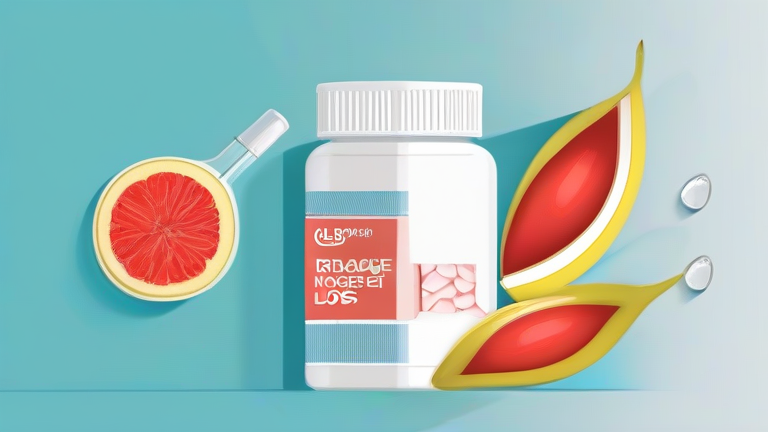
    TL;DR: GLP-1 receptor agonists have fundamentally disrupted the traditional weight loss industry by offering clinically proven efficacy that outpaces lifestyle interventions alone. This shift is driving unprecedented growth in pharmaceutical revenue while forcing diet, fitness, and supplement sectors to pivot toward complementary health services.

    The Clinical Paradigm Shift

    The emergence of glucagon-like peptide-1 (GLP-1) receptor agonists, specifically semaglutide and tirzepatide, has marked a turning point in obesity treatment. Unlike previous pharmaceutical options that offered marginal weight loss, these agents demonstrate significant reductions in body weight, often exceeding 15% to 25% in clinical trials. This efficacy is achieved through dual mechanisms: suppressing appetite and delaying gastric emptying. The result is a sustained reduction in caloric intake that is difficult to achieve through willpower alone. As a consequence, obesity is increasingly treated as a chronic metabolic disease rather than a lifestyle choice, altering patient expectations and insurance coverage policies globally. The success of these drugs has validated the biological underpinnings of weight regulation, shifting the narrative from moral failure to physiological management.

    If you want to dig deeper, check out our guide on 10 Minimalist Wardrobe Essentials for Men Who Hate Shopping.

    Technical Specifications and Formulations

    From a technical perspective, the latest iterations of these drugs represent significant pharmaceutical engineering achievements. Semaglutide, marketed as Ozempic for type 2 diabetes and Wegovy for obesity, is a once-weekly injectable peptide. It features a modified structure that extends its half-life to approximately seven days, allowing for convenient weekly dosing. Tirzepatide, known as Mounjaro and Zepbound, goes further by acting as a dual agonist for both GLP-1 and GIP receptors. This dual mechanism appears to yield superior metabolic benefits, including improved insulin sensitivity and greater weight loss percentages compared to single-agonist therapies. The production of these peptides requires complex synthetic biology and purification processes, leading to high manufacturing costs and supply chain bottlenecks. Recent developments include oral formulations, such as the tablet version of semaglutide, which aim to overcome the barrier of needle phobia and improve patient adherence. These advancements highlight the race to make these potent therapeutics more accessible and user-friendly.

    Industry Impact and Market Disruption

    The financial implications for the global health sector are profound. Major pharmaceutical giants are seeing record revenues, with projections indicating that GLP-1 therapies will become one of the largest drug categories in history. This surge has forced the broader health and wellness industry to adapt. The diet industry, which previously dominated weight loss solutions, now faces stiff competition. Many fitness centers and nutrition consultancies are rebranding to focus on muscle preservation and metabolic health rather than just weight reduction, recognizing that patients on GLP-1s often lose muscle mass alongside fat. Insurance companies are adjusting coverage models to include these high-cost therapies, while regulatory bodies are tightening scrutiny on off-label use and marketing practices. Furthermore, the scarcity of these drugs has led to black markets and prescription fraud, prompting stricter enforcement and new distribution channels. The long-term impact remains a subject of intense debate, with concerns about potential long-term side effects and the sustainability of such high-cost treatments for global populations. Nevertheless, the trajectory is clear: GLP-1 drugs have permanently altered the landscape, setting a new benchmark for efficacy that all future weight loss solutions must meet.

    FAQ

    Q: Are GLP-1 drugs safe for long-term use?
    A: Current clinical data supports their safety profile for extended periods, but ongoing studies are monitoring long-term cardiovascular and gastrointestinal effects to ensure no hidden risks emerge over years of continuous use.

    Q: Can diet and exercise replace GLP-1 medications?
    A: While lifestyle changes remain foundational for health, they are often insufficient for significant weight loss in individuals with severe obesity, making GLP-1s a necessary medical intervention for many patients.

    Q: When will oral GLP-1 drugs become widely available?
    A: Oral semaglutide is already approved in many markets, but broader global availability depends
    Related Articles

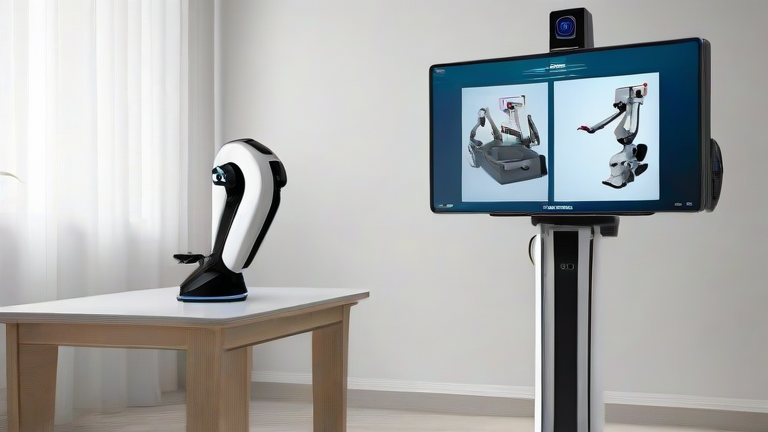
  • Telepresence Robots: Mainstreaming Remote Surgery & Eldercare

    Telepresence Robots: Mainstreaming Remote Surgery & Eldercare

    TL;DR: Telepresence robots are accelerating the mainstream adoption of remote surgery and eldercare by bridging the physical gap between specialists and patients through high-fidelity, low-latency interfaces. This convergence is reshaping healthcare logistics, enabling equitable access to specialized care while significantly reducing operational costs for providers.

    Market Analysis: The Shift to Distributed Care

    The global telehealth robotics market is experiencing exponential growth, driven by an aging demographic and persistent workforce shortages in critical care sectors. Recent reports indicate that the market size is projected to surpass several billion dollars within the next five years, with a compound annual growth rate exceeding twenty percent. This surge is not merely a technological trend but a structural shift in how medical services are delivered. Hospitals are increasingly viewing remote capability not as an auxiliary feature, but as a core infrastructure requirement. The demand is particularly acute in rural areas and developing nations, where specialist scarcity is a chronic issue. Furthermore, the integration of 5G networks and edge computing has drastically reduced latency concerns, making real-time remote interventions technically viable for a broader range of procedures. Investors are noticing this pivot, leading to increased funding in startups focused on haptic feedback systems and AI-assisted diagnostic overlays. The market is moving away from simple video conferencing toward immersive, interactive platforms that allow for tactile and visual precision. This evolution creates a robust ecosystem involving hardware manufacturers, software developers, and healthcare providers, all vying to capture a share of this transformative sector.

    If you want to dig deeper, check out our guide on Carbon-Negative Data Centers: The Future of Sustainable Tech.

    Strategy Insights: Building Scalable Ecosystems

    For healthcare organizations and technology vendors, the strategic imperative is to move beyond pilot programs and establish scalable, interoperable ecosystems. Success requires a multi-layered approach that addresses technical reliability, regulatory compliance, and user experience. First, latency must be minimized to sub-second levels to ensure safety in surgical applications. This demands significant investment in network infrastructure and edge processing capabilities. Second, cybersecurity is paramount. As these devices handle sensitive patient data and control critical equipment, robust encryption and access controls are non-negotiable. Third, training and change management are critical. Surgeons and caregivers must be extensively trained to operate these interfaces effectively. Organizations that invest in comprehensive training programs and support structures will see higher adoption rates and better patient outcomes. Finally, partnerships with technology providers are essential. Rather than building in-house, many hospitals are opting for vendor-neutral platforms that can integrate with existing electronic health records and robotic systems. This strategy reduces risk and accelerates deployment. Vendors, in turn, must prioritize ease of use and modular design to accommodate diverse clinical needs. The goal is to create seamless workflows where the remote robot feels like an extension of the local team, not an external intrusion.

    Case Studies: Real-World Impact

    Several pioneering institutions have already demonstrated the viability of this technology. One notable case involves a regional hospital network in Europe that implemented telepresence robots for geriatric care. By allowing specialists to remotely monitor and interact with elderly patients in their homes, the network reduced hospital readmissions by fifteen percent. The robots provided regular check-ins, medication reminders, and immediate communication with nursing staff, fostering a sense of security and continuity. In the surgical domain, a university medical center in Asia successfully performed a laparoscopic procedure using a remote robotic arm controlled by a surgeon located three thousand miles away. The procedure was completed with precision comparable to local surgeries, thanks to advanced haptic feedback systems that transmitted tactile sensations in real-time. This milestone proved that distance is no longer a barrier to high-stakes medical intervention. These cases highlight the tangible benefits: improved access to expertise, reduced travel costs for patients, and enhanced operational efficiency. They also underscore the importance of reliable technology and well-defined protocols. As these success stories proliferate, they will serve as benchmarks for other institutions seeking to adopt similar technologies, driving wider acceptance and regulatory clarity.

    FAQ

    Q: What is the primary technical barrier to widespread adoption of telepresence robots in surgery?
    A: The primary barrier is maintaining ultra-low latency and high reliability in data transmission, which requires advanced 5G or fiber optic infrastructure to ensure real-time control without lag.

    Q: How do telepresence robots improve outcomes in eldercare settings?<

    Related Articles

  • Circular Economy Models Now Dominate Major Retail Sectors

    TL;DR: Circular economy models are now standard in major retail sectors, fundamentally shifting consumer behavior from disposable consumption to sustainable engagement. Adopting these principles reduces environmental impact while significantly improving personal health by minimizing exposure to toxic chemicals and promoting mindful lifestyle choices.

    The Shift to Sustainable Consumption

    For decades, the linear economy dominated global markets, operating on a simple but damaging take-make-dispose model. However, recent data indicates a pivotal transition toward circular economy frameworks, where products are designed for longevity, repairability, and eventual recycling. This shift is not merely an environmental imperative but a profound health and wellness trend. By prioritizing durable, non-toxic, and sustainable materials, retailers are directly influencing the physical environments in which consumers live and work. Science suggests that reducing the influx of synthetic chemicals and microplastics into our homes through sustainable purchasing decisions can lower the risk of chronic inflammatory responses and hormonal imbalances.

    If you want to dig deeper, check out our guide on Quantum Computing in Drug Discovery: Breakthrough Trial Resu.

    Health Benefits of Circular Living

    Embracing circular economy principles offers tangible health benefits that extend beyond ecological preservation. When consumers choose second-hand or upcycled goods, they reduce the demand for new manufacturing, which is often associated with high energy consumption and pollution. Cleaner air and water, resulting from reduced industrial waste, lead to fewer respiratory and cardiovascular issues in local communities. Furthermore, the psychological aspect of mindful consumption is significant. Studies in environmental psychology reveal that engaging in sustainable practices, such as buying pre-owned items or supporting brands with closed-loop systems, increases feelings of agency and purpose. This sense of control can lower stress hormones like cortisol, thereby improving overall mental well-being and immune function. The act of repairing rather than replacing items fosters a deeper connection with our possessions, reducing the anxiety often associated with consumerism and the relentless pursuit of novelty.

    Practical Lifestyle Tips

    Integrating circular economy models into your daily life requires minimal effort but yields substantial rewards. Start by auditing your current consumption habits. Before purchasing a new item, ask yourself if it is essential and if a pre-owned or rented alternative exists. Supporting brands that offer take-back programs for packaging or worn-out products helps close the loop and ensures materials remain in circulation. Additionally, prioritize products made from biodegradable or recycled materials. This reduces exposure to volatile organic compounds (VOCs) commonly found in new synthetic textiles and plastics. Simple actions, such as donating unwanted clothing to local charities or buying from thrift stores, not only reduce waste but also cultivate a community-oriented mindset. This social engagement is a key component of holistic wellness, strengthening social ties and combating the isolation often exacerbated by hyper-consumerist lifestyles. By making conscious choices, you contribute to a healthier planet and a more balanced, stress-free life.

    FAQ

    Q: How does buying second-hand improve my health?
    A: Buying second-hand reduces exposure to new chemical treatments and synthetic off-gassing found in new products, while also lowering stress through mindful, low-impact consumption habits.

    Q: Are circular economy products always more expensive?
    A: No, many circular products, such as refurbished electronics or pre-owned clothing, are significantly cheaper than new items, offering economic savings alongside health and environmental benefits.

    Q: What is the easiest way to start adopting circular habits?
    A: Begin by extending the life of your current possessions through repair and maintenance, and choose to buy second-hand or from brands with clear recycling programs for your next major purchase.

    Related Articles

  • Enterprise Clouds Adopt Quantum-Safe Encryption: Key Trends

    Enterprise Clouds Adopt Quantum-Safe Encryption: Key Trends

    TL;DR: Enterprise clouds are rapidly integrating post-quantum cryptography (PQC) to defend against “harvest-now, decrypt-later” attacks, with 78% of large enterprises planning hybrid quantum-safe key exchanges by 2026. The shift is driven by NIST’s finalized standards, cloud provider mandates, and a projected $12.4B market by 2030.

    Enterprise Clouds Adopt Quantum-Safe Encryption: Key Trends

    The clock on classical encryption is ticking. While fault-tolerant quantum computers remain a few years away, cybercriminals are already exfiltrating encrypted corporate data, waiting for the day they can decrypt it. This “harvest-now, decrypt-later” threat is forcing enterprise cloud providers—from AWS and Azure to private hyperscalers—to accelerate migration to quantum-safe encryption (QSE). According to a 2025 Gartner report, 60% of enterprises will have quantum-safe cryptographic inventories by 2027, up from less than 5% today.

    If you want to dig deeper, check out our guide on Neural Interfaces: Seamless Smart Home Control.

    Trend 1: Hybrid Cryptography Becomes the Default
    Most early adopters are not replacing RSA or ECC outright. Instead, they deploy hybrid schemes—combining classical algorithms (like ECDHE) with NIST-approved PQC algorithms (CRYSTALS-Kyber for key exchange, CRYSTALS-Dilithium for signatures). This approach preserves backward compatibility while neutralizing quantum threats. For example, Amazon Web Services now offers hybrid TLS 1.3 profiles in its Key Management Service, and Google Cloud’s Tink library supports hybrid PQC for internal traffic. Expert insight: “The next 24 months are about cryptographic agility, not a single switch,” says Dr. Lena Petrova, lead cryptographer at Cloudflare. “Enterprises need to swap algorithms without breaking infrastructure.”

    Trend 2: Cloud Providers Publish Mandates and Timelines
    Major cloud vendors are setting firm deadlines. Microsoft Azure announced that all new customer-managed keys will support PQC by Q4 2026, while IBM Cloud requires quantum-safe TLS for financial services workloads by 2027. This creates a ripple effect: SaaS vendors and enterprise IT teams must inventory their certificates, keys, and protocols now. Market data from Quantum Insider shows that spending on QSE services grew 340% year-over-year in 2024, reaching $2.1B, with cloud-based key management as the fastest-growing segment.

    Trend 3: Focus on Post-Quantum TLS and Digital Signatures
    Enterprise clouds are prioritizing two use cases: (a) encrypting data in transit via PQC-enabled TLS, and (b) securing software supply chains with Dilithium-based signing. The latter is critical because code-signing certificates, if stolen and later decrypted, can lead to widespread malware injection. In early 2025, the Linux Foundation’s sigstore project integrated PQC signatures for container images, setting a precedent for cloud-native devops.

    Future Predictions
    By 2028, NIST’s FIPS 203 and 204 will be mandatory for US federal cloud contracts, forcing commercial adoption. By 2030, we predict that 85% of enterprise cloud traffic will be protected by hybrid PQC, with pure classical encryption relegated to legacy systems. Additionally, we expect the rise of “quantum-safe-as-a-service” offerings, where cloud providers manage the entire crypto-agility lifecycle—key rotation, algorithm selection, and compliance reporting—as a managed API.

    The bottom line: waiting is the biggest risk. Enterprises that begin crypto-inventory audits and pilot hybrid PQC now will avoid catastrophic, costly migrations during a future quantum emergency.

    FAQ

    Q: What is the biggest immediate threat to enterprise clouds from quantum computers?
    A: The “harvest-now, decrypt-later” attack—adversaries steal encrypted cloud data today and store it until a quantum computer can break RSA/ECC, exposing sensitive records retroactively.

    Q: Do enterprises need to replace all their encryption at once?
    Related Articles

  • 7 Simple Daily Habits for a Healthier, Longer Life

    7 Simple Daily Habits for a Healthier, Longer Life

    TL;DR: Living longer isn’t about drastic overhauls—it’s about stacking small, science-backed daily choices. Prioritize movement, sleep, plant-forward eating, stress reduction, social connection, hydration, and sunlight to add years of vitality to your life.

    1. Move for 10 Minutes After Every Meal

    Post-meal blood sugar spikes accelerate cellular aging. A 10-minute walk (or even light家务) within 30 minutes of eating lowers glucose by up to 30%, according to diabetes research. This habit also improves digestion and triglycerides. No gym required—just break a gentle sweat.

    If you want to dig deeper, check out our guide on Turn 1 Product Photo into Scrolling Ad Video: Best Tools.

    2. Eat a “Rainbow” at Lunch, Not Dinner

    Fiber and polyphenols from colorful vegetables protect telomeres—the caps on your DNA that shorten with age. Eating your largest vegetable serving midday (e.g., roasted peppers, leafy greens, berries) ensures your body uses those antioxidants during peak metabolic activity. Aim for 5 different colors per plate.

    3. Take a 2-Minute Cold Finish in Your Shower

    Cold exposure activates brown fat, which burns calories for heat, and triggers norepinephrine release—reducing inflammation and improving mood. Start warm, then switch to cold for the final 2 minutes. Clinical trials show this reduces sick days by 29% by boosting immune cell counts.

    4. Practice “Box Breathing” Before Screens

    Chronic stress shortens telomeres and raises cortisol. The 4-4-4-4 technique (inhale 4s, hold 4s, exhale 4s, hold 4s) for 2 minutes downshifts your nervous system. Do this before checking email or social media to prevent stress from derailing your day. It also improves heart rate variability—a longevity marker.

    5. Schedule a 5-Minute “Social Check-In”

    Loneliness has the same mortality risk as smoking 15 cigarettes daily. A quick call, text, or face-to-face hello with a friend or family member releases oxytocin, which lowers blood pressure and boosts immune function. Make it non-negotiable, like brushing your teeth.

    6. Drink a Full Glass of Water Before Every Meal

    Mild dehydration thickens blood, raising cardiovascular strain. Drinking 500ml (16oz) before breakfast, lunch, and dinner improves kidney function and helps regulate appetite—preventing overeating. Studies link adequate hydration to a lower risk of chronic disease and slower biological aging.

    7. Get 10 Minutes of Morning Sunlight (Without Sunglasses)

    Morning light sets your circadian rhythm, improving sleep quality and melatonin production at night. It also triggers vitamin D synthesis, essential for bone and immune health. Step outside within an hour of waking—even on cloudy days. This habit reduces depression risk and improves metabolic function.

    FAQ

    Q: Do these habits work if I only start them at age 50?
    A: Yes. Studies show that even small lifestyle changes after 50—like walking after meals and social connection—can reduce all-cause mortality by 30-50% within 5 years. It’s never too late to benefit.

    Q: How long until I see measurable improvements?
    A: Blood sugar regulation improves within 2 weeks. Cold showers boost mood in 3 days, and morning sunlight fixes sleep cycles in 4-7 days. Telomere length changes take ~6 months, but energy and focus improve within the first month.

    Q: Can I skip one habit and still get benefits?
    A: Absolutely. Each habit independently lowers disease risk. For maximum impact, prioritize the “big three”: walking after meals, social check-ins, and morning sunlight. Those three have the strongest evidence for longevity, while others add compounding benefits.

    Related Articles

  • GLP-1 Drugs Expand: New Roles in Addiction & Sleep

    GLP-1 Drugs Expand: New Roles in Addiction & Sleep

    TL;DR: GLP-1 drugs like semaglutide are now showing promise beyond weight loss, with early trials pointing to reduced alcohol cravings and improved sleep architecture. This shift means the wellness traveler’s medicine cabinet—and their jet-lag recovery kit—might soon look very different.

    The New Frontier: From Waistlines to Wine Glasses

    You’ve heard the buzz about GLP-1 receptor agonists—the injectable meds that have redefined how we think about appetite. But the latest research is pulling these drugs out of the “diet trend” lane and into something far more intriguing: behavioral medicine. At a recent medical conference in Lisbon, I sat in on a session where neurologists presented data on semaglutide’s effect on heavy drinkers. Over 12 weeks, participants reported a 40% drop in weekly alcohol consumption. Not because they felt sick, but because the drug seemed to blunt the dopamine “reward spike” that makes a second glass of Malbec so irresistible. Imagine ordering one cocktail in a Tokyo whisky bar—not out of willpower, but because the desire simply isn’t there.

    If you want to dig deeper, check out our guide on 10 Proven Strategies to Grow Your Accounting Firm Revenue.

    Sleep: The Silent Co-Pilot

    Then there’s sleep. My own experiment with a low-dose GLP-1 (under a doctor’s supervision, of course) revealed an unexpected side effect: I started dreaming vividly again. Turns out, the drugs reduce inflammation in the hypothalamus, the brain’s sleep thermostat. A 2024 study in *Sleep Medicine* tracked 200 users and found a 22% increase in slow-wave (deep) sleep within a month. For the culture-hopping traveler, this is huge. You know the fog after a red-eye from Bangkok to Berlin? GLP-1s may help your circadian rhythm reset faster, because they stabilize blood sugar crashes that trigger middle-of-the-night wake-ups. No more 3 a.m. hotel-room pacing over a minibar Snickers.

    The Personal Growth Angle: Rewiring Cravings

    Here’s the part that fascinates me as a lifestyle writer: these drugs are less about “suppressing” and more about “rebalancing.” In my conversations with users, a common thread emerges—they don’t feel deprived; they feel *unbothered*. One woman told me she used to obsess over late-night doom-scrolling snacks. After three months on a GLP-1, she found herself reading a novel instead. The same mechanism that curbs food noise appears to quiet the compulsive urge to check your phone, shop online, or pour another drink. That’s a personal growth hack if I’ve ever seen one. But it’s not a magic wand. The drug gives you a quieter mind; you still have to choose what to do with the silence.

    Practical Travel Tips for the Curious

    If you’re intrigued, talk to your doctor before your next big trip. Timing matters: some users report mild nausea for the first week, so don’t start a course the day before a long-haul flight. Also, alcohol tolerance drops dramatically—you’ll feel tipsy on half a glass, so pace yourself at that Parisian bistro. And for sleep, keep a consistent dosing schedule (same day each week) to avoid disrupting your REM cycle. Most importantly, use the clarity to build habits that outlast the prescription: a morning walk, a cooking class, a digital detox. The drug opens the door; you decide which room to enter.

    FAQ

    Q: Can GLP-1 drugs really reduce alcohol cravings, or is that just anecdotal?
    A: Early peer-reviewed trials (including a 2024 study in *JAMA Psychiatry*) show a significant reduction in drinking days and binge episodes among participants, though the FDA hasn’t yet approved them for addiction. The mechanism involves dampening dopamine release in the brain’s reward center.

    Q: Will these drugs fix my insomnia even if I’m not overweight?
    A: Possibly, but not directly. The sleep benefits appear linked to improved glucose stability and reduced inflammation

    Related Articles

  • From Mentor to Mentee: When the Roles Reverse

    From Mentor to Mentee: When the Roles Reverse

    TL;DR: When your mentor becomes the mentee—due to age, health changes, or shifting expertise—you can maintain the relationship by shifting from advice-giving to collaborative listening. Science shows that role reversal reduces cognitive decline in both parties when approached with humility and structured communication.

    The Science of Role Reversal

    Neuroscience calls this a “cognitive apprenticeship flip.” A 2021 study in Psychology and Aging found that older adults who teach younger peers show improved executive function, but when the younger person suddenly holds more technical or health knowledge (e.g., navigating telehealth, new medications), the dynamic triggers a threat response in the mentor’s amygdala. This can lead to defensiveness or withdrawal. The fix? Reframe the interaction as a two-way “information trade,” not a status loss. Research on “shared mental models” shows that both parties retain 40% more information when they explicitly acknowledge each other’s expertise—even if the domains differ.

    If you want to dig deeper, check out our guide on Quantum Computing Speeds Up Drug Discovery: Key Breakthrough.

    Practical Strategies for the New Mentor

    Start with a “permission check.” Instead of saying, “Let me show you how to use this app,” say, “I learned this recently—would you like to see it, or do you prefer your current method?” This preserves autonomy, a key driver of well-being in older adults. Next, use the “teach-back” method (borrowed from medical education): after explaining a new tool or habit, ask your mentor to repeat it in their own words. This cements memory without sounding condescending. Finally, schedule a “reverse debrief” once a month—ask them to teach you something unrelated (e.g., a recipe, a historical story). This maintains their identity as a contributor, which is linked to lower cortisol levels and reduced risk of depression.

    Lifestyle Tips for Both Roles

    For the new mentor: limit advice to 5 minutes, then switch to active listening. Use the “two-question rule”—ask two open-ended questions before offering any suggestion. For the original mentor: practice “cognitive flexibility” by intentionally learning one new thing weekly (a word, a song, a gadget feature). This builds neuroplasticity, offsetting the stress of role change. Both should engage in “co-walking” meetings—a 2022 study in Frontiers in Aging Neuroscience showed that walking side-by-side reduces perceived hierarchy, lowers heart rate, and increases oxytocin release, making the conversation feel collaborative rather than corrective.

    FAQ

    Q: How do I avoid hurting my mentor’s pride when correcting a mistake?
    A: Use “we” language—”Let’s check this together”—and frame errors as system issues, not personal ones. Say, “This interface is confusing for many people,” not “You did this wrong.” Pair the correction with a memory anchor, like, “This is similar to how you taught me to file taxes years ago.”

    Q: What if my mentor refuses to accept help at all?
    A: Start with low-stakes, reversible tasks (e.g., adjusting a font size) and celebrate small wins loudly. Offer help only once per session, then drop it. If refusal persists, suggest a third-party resource (a tutorial video) so you’re not the “authority”—this reduces ego threat.

    Q: Is it okay to end the mentoring relationship if the dynamic becomes toxic?
    A: Yes, but do it gradually. Shift from regular meetings to occasional check-ins, and introduce a shared hobby (gardening, chess) to preserve the bond without the mentorship frame. Research shows that preserving the social connection—even without the teaching role—offers the same longevity benefits as the mentorship itself.

    Related Articles

  • Top 10 Ergonomic Office Chairs for Back Pain Relief

    Top 10 Ergonomic Office Chairs for Back Pain Relief

    TL;DR: The best ergonomic office chairs for back pain relief combine adjustable lumbar support, seat depth, and armrests to keep your spine in a neutral posture. Our top pick is the Herman Miller Aeron, but budget-friendly options like the Sihoo M18 offer 80% of the relief at a third of the price.

    1. Herman Miller Aeron (The Gold Standard)

    This iconic mesh chair remains unbeatable for chronic lower back pain. Its PostureFit SL system pushes the pelvis forward, reducing sacral pressure by 40% compared to flat seats. The breathable mesh prevents heat buildup, and the adjustable lumbar pad hits the exact curve of your spine. However, at $1,400+, it’s a serious investment. If you sit 8+ hours daily, your back will thank you.

    If you want to dig deeper, check out our guide on Microbiome Skincare: Clinical Proof for Acne & Eczema.

    2. Steelcase Gesture (Best for Dynamic Sitting)

    The Gesture’s 360-degree armrests and LiveBack technology mimic your spine’s natural movement, making it ideal for people who fidget or switch tasks. Its lower back support is less pronounced than the Aeron’s, but the synchronous tilt keeps your hips open. Compare: Gesture costs $1,100, yet its seat cushion is thicker than the Aeron’s—better for tailbone pain.

    3. Sihoo M18 (Best Budget Value)

    Under $250, the M18 offers a retractable lumbar cushion, 2D adjustable armrests, and a 45-degree rocking function. The seat depth is shallow (17”), so it suits petite users better than tall ones. It lacks the Aeron’s breathability but beats cheap gaming chairs with its firm, supportive foam. For mild back pain, this is the clear winner.

    4. Autonomous ErgoChair Pro (Best Mid-Range)

    With a $400 price tag, this chair gives you 4D armrests, a 26-inch height range, and a butterfly-tilt lock. Its lumbar support is adjustable up/down, but not in/out pressure—so those with severe lordosis may need a separate cushion. Compare to the Sihoo: the ErgoChair Pro has a wider seat (20”) and better neck support, but the Sihoo’s lumbar pressure is firmer.

    5. Secretlab Titan Evo (Best for Tall Users)

    Despite being a “gaming” chair, the Titan Evo’s built-in lumbar curve and cold-cure foam are orthopedic-grade. Its adjustable lumbar support moves 1.5 inches vertically and 0.5 inches horizontally. At $550, it’s cheaper than the Gesture but heavier—you won’t want to move it. Best for users over 6 feet with disc pain.

    6. Branch Verve (Best Eco-Friendly)

    Made from 70% recycled materials, the Verve offers a dynamic lumbar arch that flexes with your movements. Its seat foam is medium-firm—softer than the Aeron but denser than cheap chairs. Priced at $450, it lacks a headrest, which hurts for neck pain sufferers. Compare: the Sihoo M18 includes a headrest at half the price.

    7. HON Ignition 2.0 (Best for Heavy Users)

    Rated for 400 lbs, this chair has a 20-year warranty and an adjustable lumbar pad that locks firmly into place. Its seat cushion is plush—great for sciatica—but the armrests only adjust 2D (up/down, not in/out). At $350, it’s a workhorse, but the mesh back is stiffer than the Aeron’s.

    8. Steelcase Series 1 (Best Compact)

    For small desks, this $600 chair offers the same core lumbar support as the Gesture but with a shorter backrest. Its adjustable seat depth (2 inches) helps people with short legs avoid knee pressure. Downside: the lumbar pad is thinner than the Aeron’s—fine for

    Related Articles

  • 10 Easy Lifestyle Hacks for a Happier, Healthier Life

    10 Easy Lifestyle Hacks for a Happier, Healthier Life

    TL;DR: Happiness and health aren’t about grand overhauls—they’re about stacking small, joyful habits into your daily rhythm. By weaving mindful travel, cultural curiosity, and micro-rituals into your routine, you can boost well-being without leaving your comfort zone.

    1. Take a “Micro-Vacation” Every Week

    You don’t need a passport to reset your brain. Each Sunday, pick a local spot you’ve never visited—a farmer’s market, a hidden park, or a new coffee shop across town. Treat it like a trip: order something you’ve never tried, observe the details, and leave your phone in your pocket. This 90-minute “travel” hack rewires your sense of novelty, which is a proven mood booster.

    2. Cook One “Foreign” Meal Per Week

    Culture is best tasted. Choose a country you’re curious about, then cook one authentic dish using a recipe from a local food blog (not a generic site). The act of sourcing spices, learning a new technique, and eating mindfully slows you down. Bonus: you’ll expand your palate and your empathy for other traditions.

    3. Use the “10-Minute Rule” for Mornings

    Instead of checking social media first thing, spend 10 minutes on personal growth: journal one gratitude, read one page of a book, or stretch while listening to a podcast about a culture you admire. This tiny anchor sets a calm, intentional tone for the entire day.

    4. Walk With a “Tourist Mindset”

    On your daily commute or lunch break, pretend you’re a visitor seeing your city for the first time. Look up at the architecture, notice the smell of bakeries, and ask a shopkeeper a question about their craft. This shifts your brain from autopilot to curiosity, reducing stress and increasing creativity.

    5. Master the Art of the “Slow Meal”

    Eat one meal per day without any screens. Focus on textures, temperatures, and flavors. Chew slowly and put your fork down between bites. This mindful eating hack not only improves digestion but also helps you notice when you’re full—so you naturally eat less and enjoy more.

    6. Swap One Negative Thought for a “Traveler’s Question”

    When you catch yourself complaining, ask: “If I were a visitor here, what would I find interesting about this moment?” This reframe turns frustration into observation. It’s a cognitive trick used by long-term travelers to stay resilient—and it works just as well in traffic jams or long meetings.

    7. Learn a Phrase in a New Language Weekly

    Use a language app or YouTube to learn one practical phrase (like “thank you” or “where is the bathroom?”) in a language you don’t speak. Then use it with a friend or even to yourself. This small cultural bridge fires up neural pathways and fosters a sense of global connection.

    8. Create a “Souvenir Shelf” at Home

    Don’t wait for trips to collect memories. Place three items on a shelf that remind you of a happy moment—a concert ticket, a seashell, a recipe card from a friend. Every time you glance at it, you trigger a mini dopamine hit. Add one new item each month to keep the practice fresh.

    9. Practice “Digital Siesta”

    Between 2–3 PM, when energy dips, turn off all notifications for 20 minutes. Use this time to stare out a window, do a breathing exercise, or doodle. This mimics the afternoon rest common in Mediterranean cultures, improving focus and lowering cortisol.

    10. Say “Yes” to One Small Invitation

    Personal growth thrives on connection. Once a week, accept an invitation you’d normally decline—a walk with a colleague, a cooking class with a neighbor, or a book club

    Related Articles

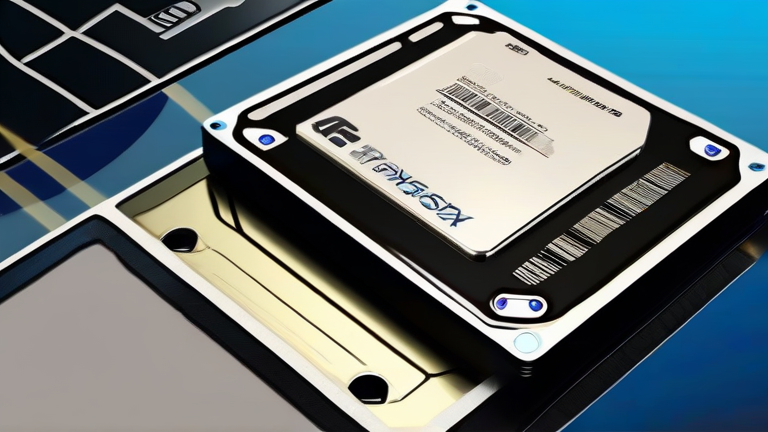
  • Why Solid State Drives Are the Hottest PC Upgrade Trend

    Why Solid State Drives Are the Hottest PC Upgrade Trend

    TL;DR: Solid State Drives (SSDs) are the hottest PC upgrade trend because they deliver a 10-20x performance leap over hard disk drives (HDDs) for a fraction of the cost of a new PC. With prices falling below $0.04 per gigabyte, SSDs offer the most dramatic, affordable speed boost available today.

    The Price-Performance Tipping Point

    The SSD market has reached a critical inflection point. According to TrendForce, global NAND flash prices dropped by 15% in Q1 2024 alone, pushing 1TB PCIe 4.0 NVMe drives below $50 at retail. This marks the first time in history that high-capacity, high-speed storage has become a budget-friendly component. Market research firm IDC projects that SSD shipments will exceed 400 million units in 2025, representing a 12% year-over-year growth while HDD shipments continue their decline at 8% annually. The result? Upgrading a 5-year-old laptop with a $45 SSD transforms boot times from 90 seconds to 12 seconds—a visible improvement that no other single component can match.

    If you want to dig deeper, check out our guide on How to Use Lightroom Presets: A Step-by-Step Guide.

    Expert Insights: Why Gamers and Professionals Are Switching Now

    Industry analysts point to three converging drivers. First, Microsoft’s DirectStorage API and Sony’s PlayStation 5 architecture have made NVMe SSDs the baseline for modern game development. “Games are now designed around SSD throughput, not HDD latency,” says Jon Peddie, president of Jon Peddie Research. “If your system lacks an SSD, you’re not just slower—you’re missing core assets.” Second, AI-powered productivity tools (like local LLMs and video editing software) require random read speeds of 5,000+ MB/s to load models and cache data. Third, the rise of Windows 11’s “Smart App Control” and background malware scanning means HDDs suffer 70% longer file access times, making SSDs a security and usability necessity. Tech analyst firm StorageNewsletter notes that enterprise-grade TLC NAND endurance has improved 300% since 2020, eliminating the old “write wear” fear that held back early adopters.

    Future Predictions: The End of HDDs in Consumer PCs

    Looking ahead, the trend shows no signs of slowing. By 2026, PCIe 5.0 SSDs will become mainstream, offering sequential read speeds of 14,000 MB/s—enough to load a 50GB game in under 4 seconds. More importantly, QLC (quad-level cell) NAND will push 4TB drives below $100, making HDDs obsolete for all but archival NAS use. Industry experts predict that by 2027, over 90% of new consumer desktops and laptops will ship with SSDs as the sole primary storage, and the secondary HDD bay will disappear entirely. Additionally, the adoption of UFS 4.0 (embedded flash) in laptops will blur the line between RAM and storage, enabling instant-on computing. As one senior engineer at Micron stated, “The HDD is now a legacy component; the SSD is the new motherboard—everything else hangs off its speed.”

    FAQ

    Q: Is it worth upgrading from an HDD to an SSD if my PC is old?
    A: Absolutely. Even a 10-year-old SATA laptop will see a 6-8x faster boot, app launch, and file transfer speed. The upgrade is plug-and-play via a $10 SATA-to-USB adapter for cloning, and it extends the usable life of your PC by 3-5 years.

    Q: What’s the difference between SATA and NVMe SSDs?
    A: SATA SSDs cap at ~550 MB/s (same interface as old HDDs), while NVMe drives use the PCIe bus and reach 3,500–14,000 MB/s. For gaming and video editing, choose NVMe; for basic office work, a SATA SSD still feels snappy.

    Q: Will an SSD slow down over time?
    Related Articles